The Bosnian Pyramids: A Real Hill, Real Ruins, and a Claim That Outran Both
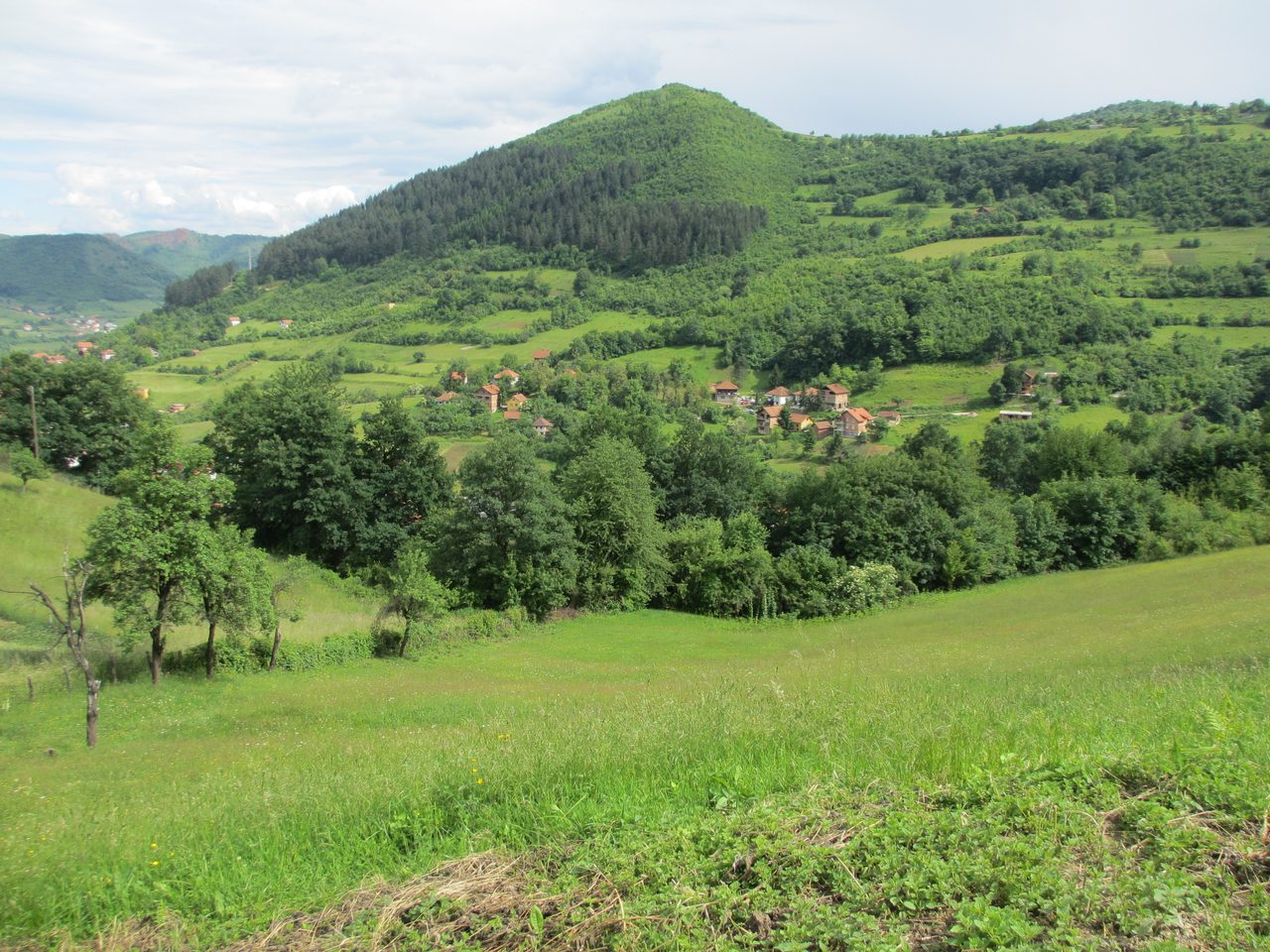
Visočica Hill really does rise above the town of Visoko like a pyramid, and there really is a medieval fortress on top of it. In December 2006 the European Association of Archaeologists called the scheme a cruel hoax on an unsuspecting public. Here is the file, opened layer by layer, every claim wearing its evidence.
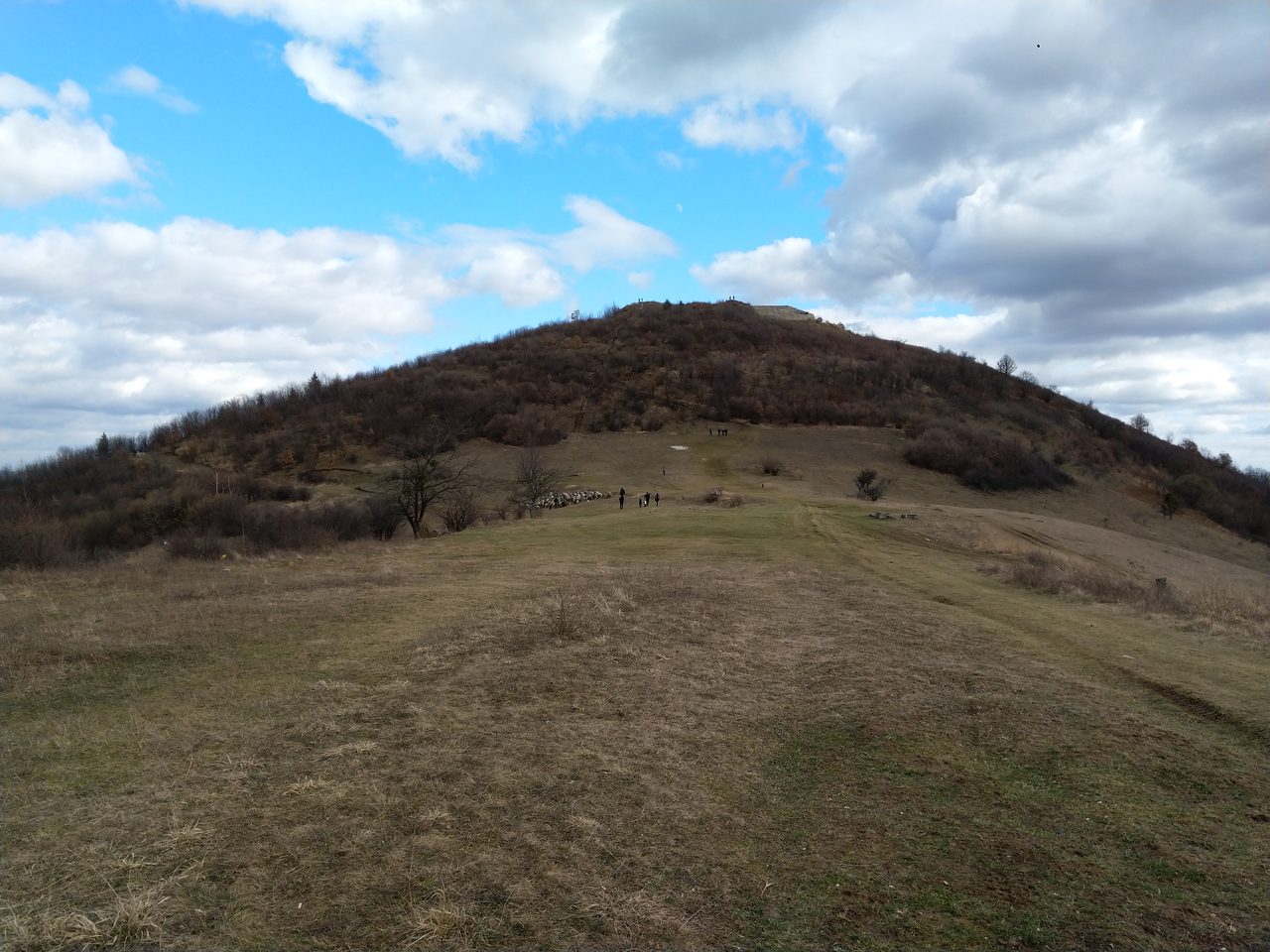
The hill above the town of Visoko really does look like a pyramid. That is not a trick of the promotional photography. Visočica Hill rises roughly 220 meters over the rooftops with a broad triangular face, and visitors arrive by the tens of thousands to stand at the bottom of it and look up. It has been renamed the Bosnian Pyramid of the Sun, and it is presented as the oldest man-made structure in the world. Here is what makes this file worth opening, and it is not what you would expect. Almost everything at Visoko is real. The hill is real. The medieval fortress on its summit is real. The Neolithic settlement in the valley below is real. The visitors and the jobs are real. The pyramid is the one part nobody has been able to find.
| Feature | Detail |
|---|---|
| The Hill | Visočica, rising about 220 meters above the town of Visoko |
| Where | Sarajevo Canton, central Bosnia and Herzegovina |
| Coordinates | 43.9820 N, 18.1764 E |
| The Rock | Stratified Miocene clays, sandstones and conglomerates, tilted by tectonic activity |
| The Landform | A flatiron, also called a hogback |
| On The Summit | Visoki, a medieval Bosnian fortress documented since the 14th century |
01A real hill above a real town
Visočica Hill stands above the town of Visoko in the Sarajevo Canton of central Bosnia and Herzegovina, at 43.9820 N, 18.1764 E, and it rises about 220 meters above the town. The hill is built of stratified Miocene-age sedimentary rock: clays, sandstones and conglomerates, laid down in layers, tilted by tectonic activity, and cut back by erosion ever since. Every one of those words is doing work later on, so hold onto them.
The hill has also been renamed. Semir Osmanagić calls Visočica the Bosnian Pyramid of the Sun, and he named a neighboring hill the Pyramid of the Moon, at a claimed height of about 190 meters, with further hills in the basin renamed in the same style. Two separate global pyramid catalogs in our own research library carry an entry for Visočica. Both give the same coordinates, and both file the pyramid claim as disputed and rejected by mainstream archaeology.
02Why the hill is that shape
A pyramid is a shape, and shapes have causes. The cause of this one is not mysterious, not disputed among geologists, and not even rare. It is a landform that gets mapped, named and photographed all over the world, and once you have seen one you cannot unsee it.
Tilt a stack of sedimentary layers and they stop eroding at the same rate. The tough beds stand proud. The soft ones wash back between them. What survives is a triangular slab of rock leaning against the hillside, wide at the base, tapering toward the top, with faces flat enough to look dressed by hand. Geologists call it a flatiron, or a hogback. Visočica's roughly pyramidal profile is the natural geometry of tilted, resistant rock layers eroding at different rates. That is the whole mechanism.
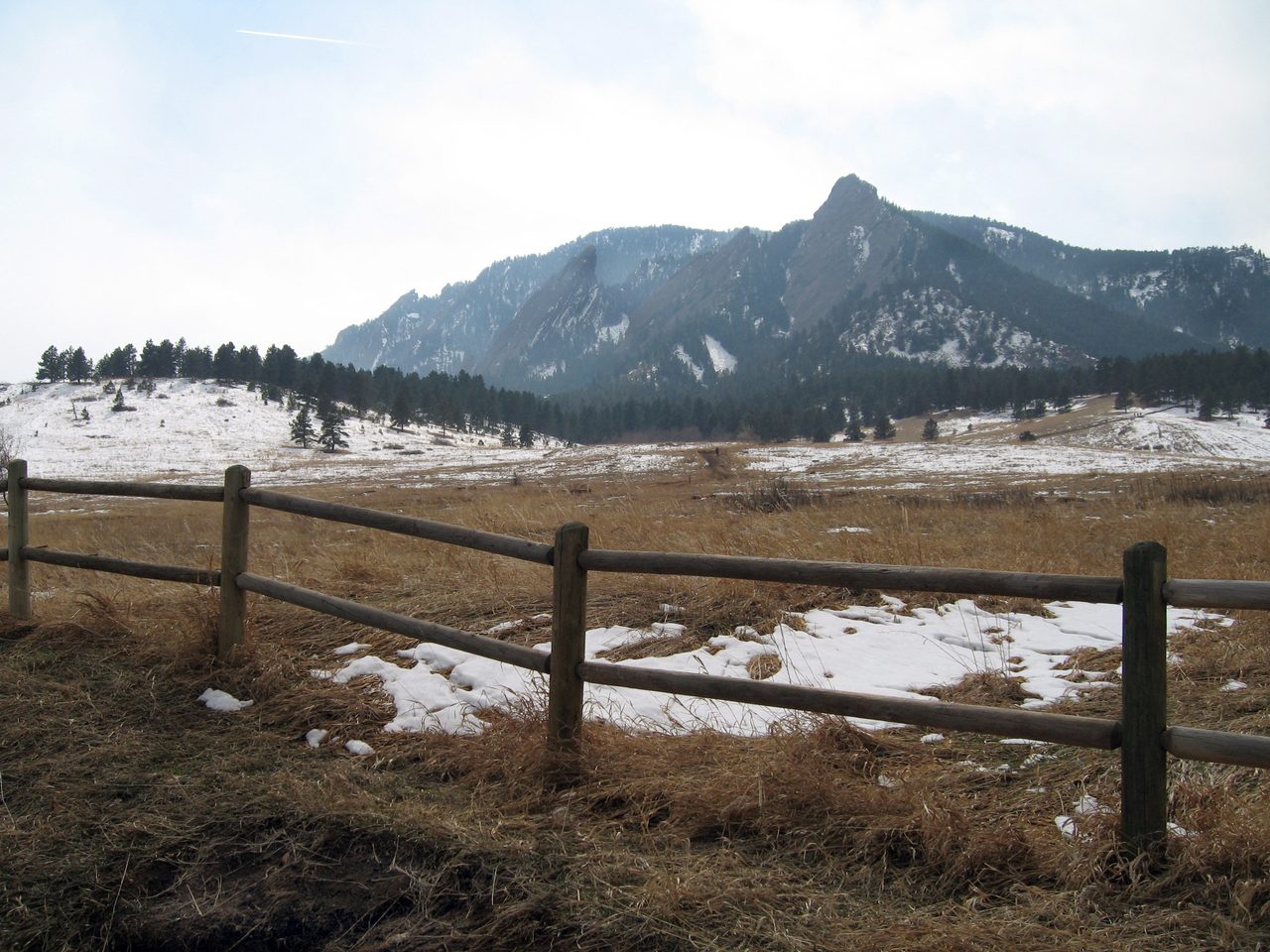
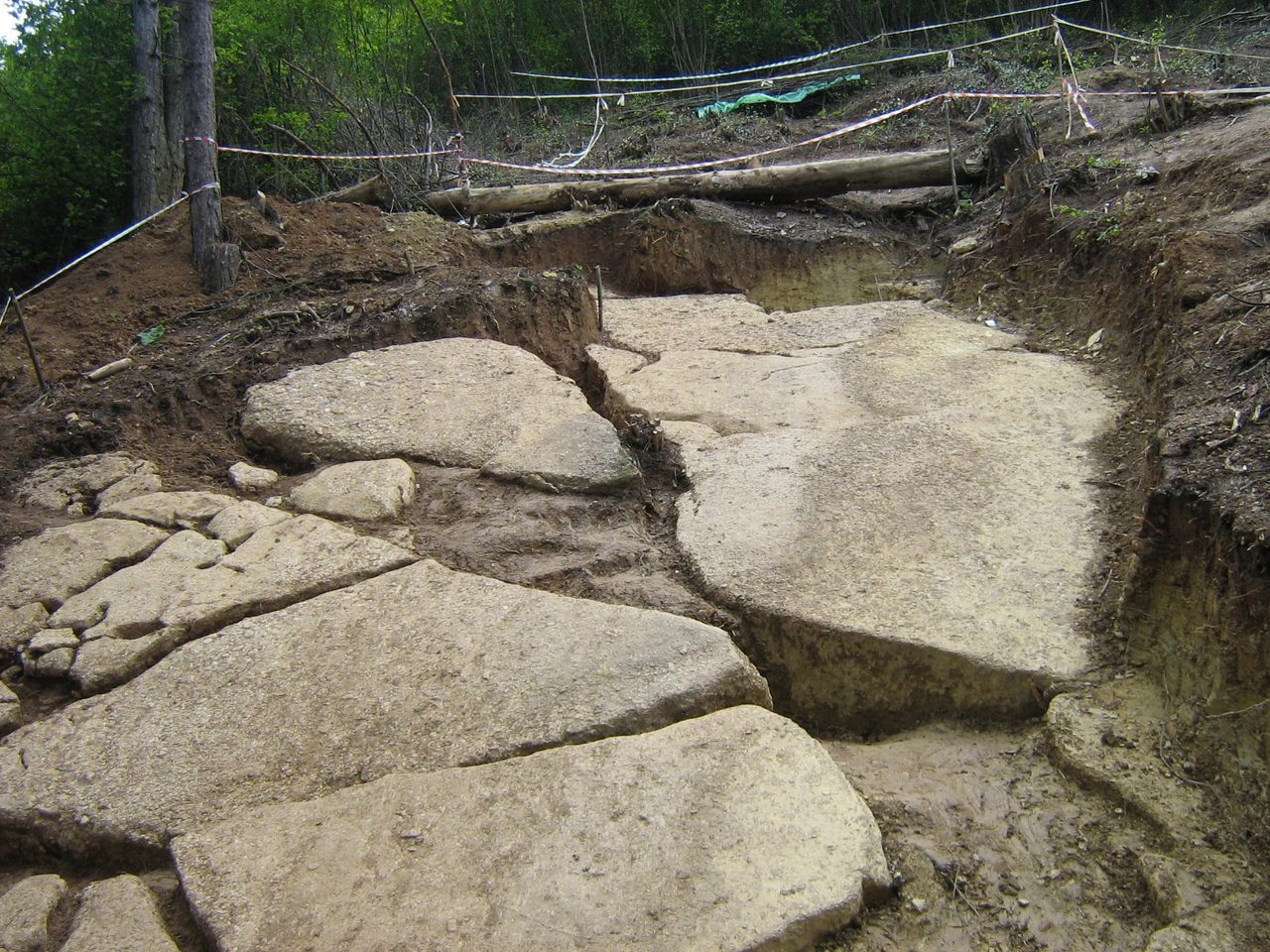
This is not one geologist's opinion against another's. Robert Schoch of Boston University visited the site in 2006 and reported that the layers being presented as concrete are natural conglomerate and sandstone. Geologists from the University of Tuzla and the Bosnian Geological Survey identified the formations as standard Miocene sedimentary sequences. And the angular surfaces that Osmanagić identifies as constructed faces align with the natural bedding planes of the inclined strata. Read that last sentence twice, because it is the hinge of the whole case. Dig into a tilted layer cake and you expose flat faces. The layers were already flat. The trench does not reveal a wall. It reveals a bedding plane.
03The blocks that look cut
The excavations on the hill faces have exposed stone surfaces that Osmanagić's team presents as constructed blocks, and photographs of them are genuinely striking. Independent observers identify the same surfaces as naturally fractured sedimentary rock, where joint patterns break the stone into block-like shapes, and as calcite-cemented conglomerate that fractures into rough polygons. The team has also obtained laboratory analyses claiming the material's composition is consistent with ancient concrete. Those analyses have been questioned on method rather than waved away, and the reason is specific: a natural conglomerate is rock fragments held together by a natural cement, which is not chemically far from what crude concrete is. The composition can match. That does not make it poured.
04The tunnels at Ravne
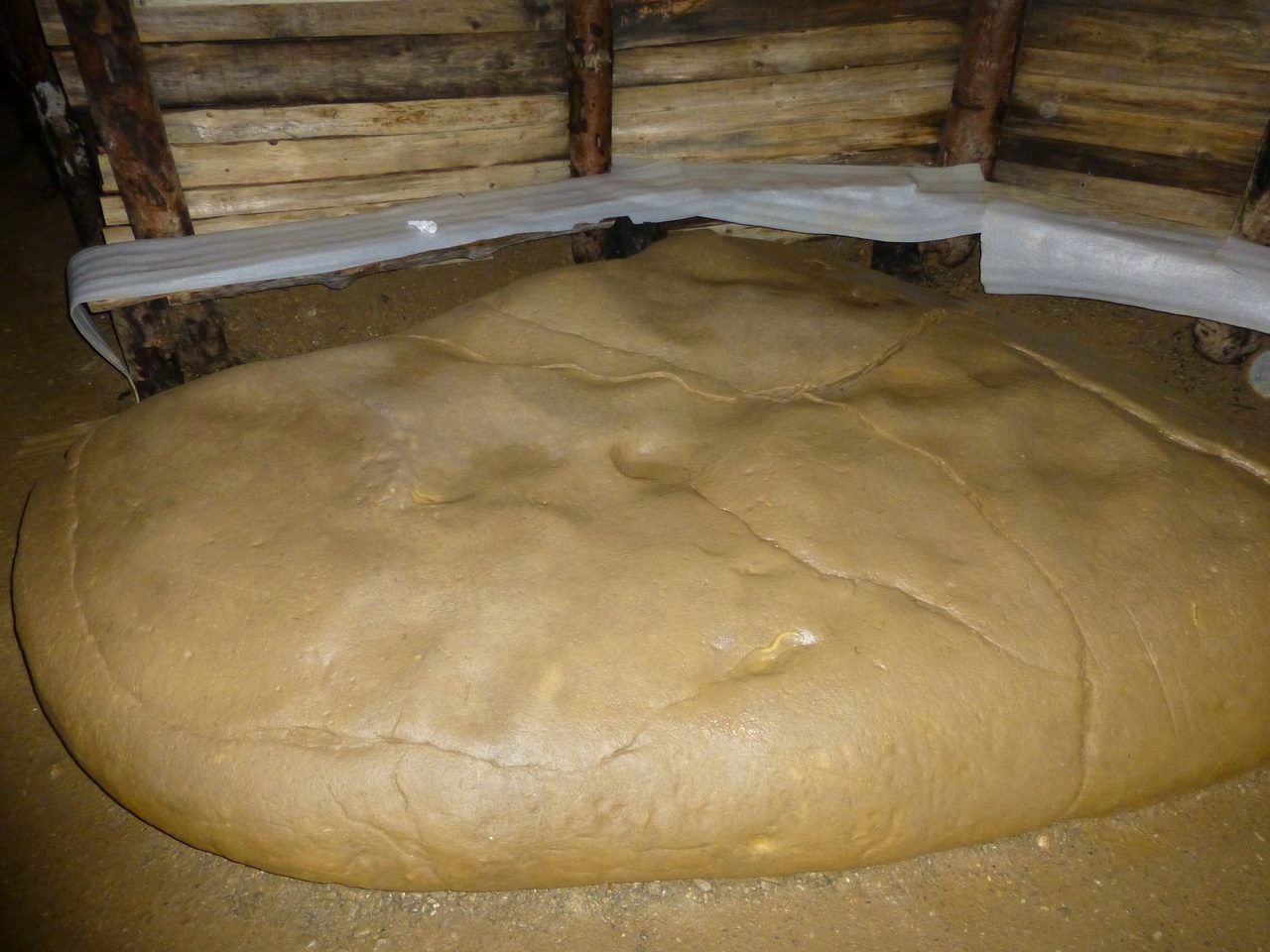
About 2.5 kilometers from Visočica Hill runs the Ravne tunnel complex, a network of narrow tunnels and chambers that Osmanagić connects to the supposed pyramid complex. The tunnels are real. What they are is the question. Independent assessments describe them as natural water channels and karst features enlarged by human activity, possibly medieval mining or water management, and as part of the wider karst system that runs through Dinaric limestone. Researchers affiliated with the project report ceramic artifacts and monolithic stones inside them, but independent verification of those finds is limited, and that limitation is the whole problem. A claim about what is inside a tunnel is exactly the kind of claim outsiders should be able to walk in and check.
Notice the pattern building here. Every individual piece of the pyramid case has a natural reading that geologists arrived at independently, and none of those readings require anybody to be lying about anything. Hills erode this way. Rock fractures this way. Karst does exactly this. What raises the temperature of the argument is not the geology at all. It is what the digging is doing to the things on that hill that are genuinely ancient.
05What is genuinely old up there
Visočica Hill carries real archaeology, and it always did. On the summit stand the remains of Visoki, a medieval Bosnian fortress documented since the 14th century and important in Bosnian medieval history. In the Visoko basin below are Neolithic settlement remains of the Butmir culture, roughly 5500 to 4500 BCE. Roman-era artifacts have been recovered in the broader area. None of that needs a pyramid to be worth the trip. A medieval fortress on a hill above a valley settled since the Neolithic is, by any ordinary standard, an excellent archaeological site.
06December 2006, in their own words
In December 2006 the European Association of Archaeologists issued a formal public letter about the excavation at Visoko, addressed to the Bosnian government and to the international archaeological community. Its words were these. The project “has no scientific merit.” It “is destroying genuine archaeological heritage.” And: “This scheme is a cruel hoax on an unsuspecting public.” More than 20 leading European archaeologists signed it.
It is worth being precise about what that letter is and is not, because the easiest way to dismiss it is to call it academic gatekeeping. More than 20 experts signed it, and the stated objection is specifically the destruction of real archaeology, not the defense of orthodoxy for its own sake. The EAA and Bosnian archaeologists have expressed concern that the excavations are damaging the legitimate sites on the hill. And this is not one document's reading. Three separate research files in our own library, the two pyramid catalogs plus a third on dating disputes, record the same status for this claim, rejected by mainstream archaeology. The third of them attaches the same reasons the geologists give: that pyramidal hill shapes form naturally, and that radiocarbon dates from the site date organic material in geological layers rather than anything built.
07The claims that go further
| The Claim | What The Evidence Shows |
|---|---|
| Constructed block faces on the hillside | Naturally fractured sedimentary rock, plus calcite-cemented conglomerate that breaks into rough polygons |
| The blocks are made of ancient concrete | Laboratory analyses questioned on method; a natural conglomerate can resemble crude concrete in composition |
| The tunnels were built as part of the complex | Natural water channels and karst features in Dinaric limestone, enlarged later by human activity |
| An energy beam radiates from the summit | No peer-reviewed publication, no independent replication, and no mechanism in physics |
| The structures are 25,000 to 34,000 years old | Radiocarbon dates the organic material in and around the tunnels, not a construction event; the rock layers are millions of years old |
Below the block-and-tunnel arguments, which at least concern things you can put a hand on, sits a second set of claims that leaves the physical site behind altogether.
Osmanagić and associated researchers have claimed to detect an energy beam of electromagnetic radiation emitting from the top of Visočica Hill, measured with instruments that have not been specified. No peer-reviewed publication documents the phenomenon. No independent research team has replicated the measurement. And a coherent beam radiating out of a geological formation has no basis in physics, which means there is not even a mechanism to test.
The age claim is the load-bearing one. Osmanagić has proposed that the structures are 25,000 to 34,000 years old, based on radiocarbon dates from organic material found in and around the tunnels. The objection is not that the dates are faked. It is that they date the wrong thing. Radiocarbon run on organic material lying in a tunnel dates that material and the geological process that put it there, not a construction event, and the rock formations themselves are millions of years old. A real measurement attached to the wrong object still produces a confident number about nothing.
So take the whole claim at face value: an unknown advanced civilization raised pyramids 220 meters high in Bosnia more than 25,000 years ago. What would that leave behind? Quarries. Ramps. Worker settlements. Tools. None of it has been found. Neither has a single written record, a piece of art, or a cultural artifact from the people who supposedly did it. The geological evidence consistently identifies natural formations. And no comparable claim has been substantiated at any other natural pyramid site anywhere in the world. This is not a case of the evidence pointing somewhere else. It is a case of a civilization with no footprint at all.
The last claim is the one that can actually cost somebody something. The tunnels and the pyramids have been promoted as carrying healing energy from scalar waves, negative ions and torsion fields. Scalar waves and torsion fields are not recognized concepts in mainstream physics. No medical study has documented any health effect from visiting the site. That one deserves its own line, because a wrong reading of a hillside costs the truth and nothing else, while a wrong reading of an illness has a person on the other end of it.
08Why this keeps going
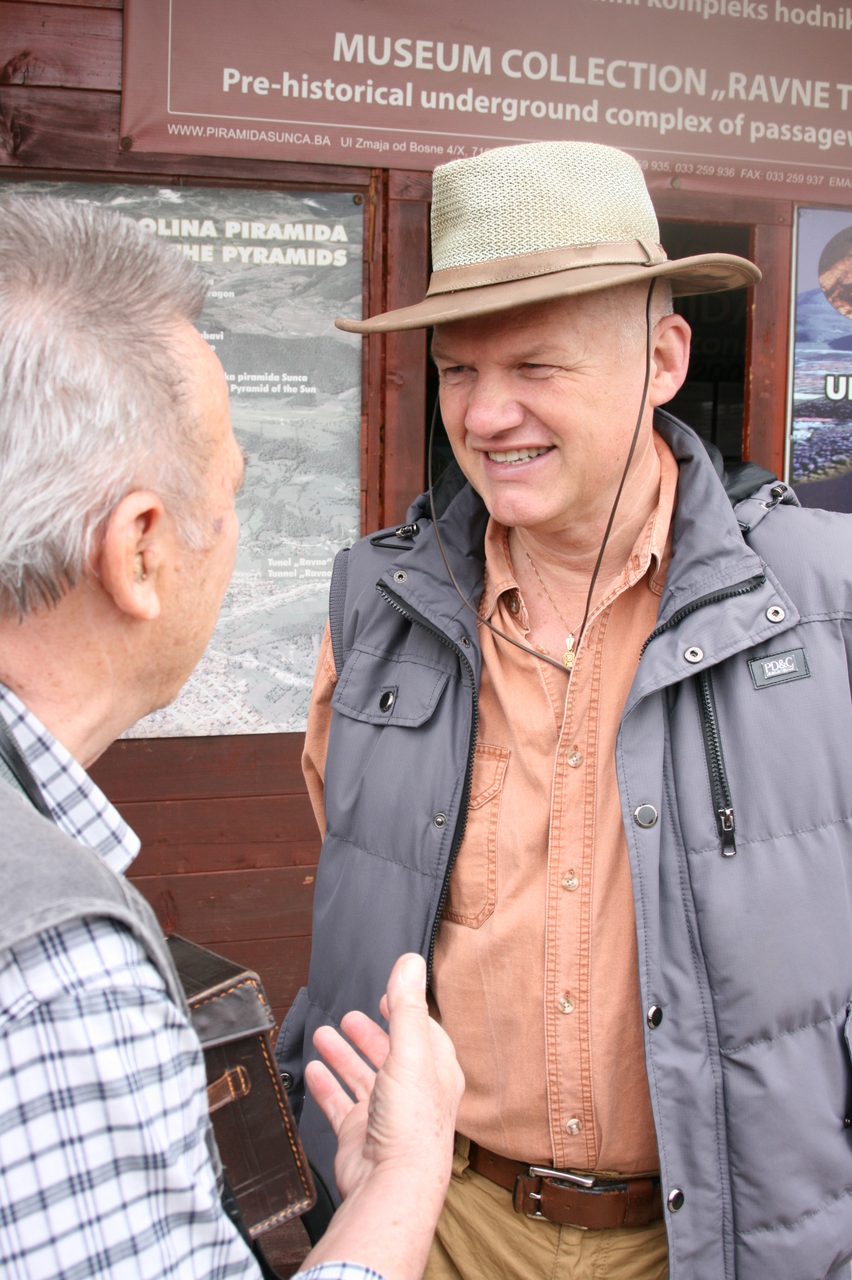
Whatever the geology says, the project has changed the town. The Bosnian Pyramid of the Sun Foundation employs local workers and attracts tens of thousands of visitors a year, and it has brought international attention to a region still recovering from the war of 1992 to 1995. Some commentators argue that those economic benefits genuinely complicate a purely scientific rejection of the project, and that is worth sitting with rather than waving off. A town gets work. A region gets visitors. Neither of those turns a hill into a pyramid, and neither of them is nothing.
There is a second framing worth naming carefully, precisely because it is easy to abuse. A separate research file in our library, discussing inflated dating claims generally, lists nationalist archaeology as a category of claim that uses inflated dates for political purposes, and it names the Bosnian pyramids among its examples. That is a label applied by outside commentators to a class of claim. It is not a finding about any individual's intentions, and this article makes no claim about anybody's motives. What can be said without speculating is narrower and more useful: extraordinary antiquity carries real-world value, which is exactly why it needs the strongest evidence available rather than the weakest.
Fast Facts
- Site
- Visočica Hill, above the town of Visoko, Bosnia and Herzegovina
- Coordinates
- 43.9820 N, 18.1764 E
- Height
- About 220 meters above the town
- Rock
- Stratified Miocene clays, sandstones and conglomerates, tilted by tectonics
- Landform
- A flatiron, or hogback, shaped by differential erosion
- On the summit
- Visoki, a medieval Bosnian fortress documented since the 14th century
- In the basin
- Butmir culture Neolithic settlement remains, about 5500 to 4500 BCE
- The tunnels
- The Ravne complex, roughly 2.5 kilometers from the hill
- Formal response
- European Association of Archaeologists public letter, December 2006, signed by more than 20 archaeologists
- Claimed age
- 25,000 to 34,000 years, speculative and unverified
- Visitors
- Tens of thousands a year, drawn by the project
What we can actually stand behind
Visočica Hill is real, it rises about 220 meters above Visoko, and it is built of tilted Miocene sedimentary rock whose differential erosion produces the flatiron shape. There is a genuine medieval fortress on the summit, documented since the 14th century, and genuine Neolithic settlement remains in the basin below. And in December 2006 the European Association of Archaeologists really did issue a formal public letter calling the scheme a cruel hoax on an unsuspecting public, signed by more than 20 leading European archaeologists.
The Ravne tunnels exist and have been worked by human hands at some point, roughly 2.5 kilometers from the hill; whether that work was medieval mining, water management or something else is unresolved, and the artifact claims from inside them lack independent verification. The ancient-concrete analyses are contested on method rather than dismissed outright. And the economic argument is real: the project employs people and draws tens of thousands of visitors a year to a region recovering from war.
The energy beam above the hill has never been documented in a peer-reviewed publication, replicated by an independent team, or given a mechanism in physics. The proposed age of 25,000 to 34,000 years rests on radiocarbon dates from organic material in the tunnels, which date that material and the geology around it rather than any construction event.
No unknown advanced civilization built pyramids at Visoko. There are no quarries, no ramps, no worker settlements, no tools, no writing, no art and no artifacts from the people who supposedly did it; the geology reads as natural everywhere it has been examined; and no comparable claim has ever been substantiated at any other natural pyramid site in the world. Nor do the tunnels heal anyone: scalar waves, torsion fields and therapeutic negative ions are not recognized in mainstream physics, and no medical study has documented a health effect from visiting the site.
So stand at the bottom of the road and look up. The hill is a flatiron, and a flatiron is a genuinely interesting thing for a hill to be: a stack of ancient sediment, tilted by tectonics, then cut back by weather into the silhouette of a monument. On top of it are the walls of a medieval fortress. Below it is a valley with Neolithic settlement remains in it. The same argument is running right now at Gunung Padang, a different hill in a different country, where the fight is about dates rather than shape. And the part no geologist can measure is the part that keeps repeating. Visoko already had thousands of years of real, checkable, dateable human history sitting on that hill. So why was that not the extraordinary thing? What are we actually looking for when we look at a mountain and need it to have been built?
Sources & further reading
Everything above is drawn from our research library on Theories of Anything. Open the full files to check the sourcing and go deeper.
Image credits
- Visočica Hill from the road photograph by Mhare, via Wikimedia Commons. CC BY-SA 4.0 Source.
- The Flatirons, Boulder, Colorado photograph by Laura Scudder, via Wikimedia Commons. CC BY-SA 3.0 Source.
- Excavation trench and exposed slabs at Visočica photograph by Mhare, via Wikimedia Commons. Public domain Source.
- Inside the Ravne tunnels photograph by TheBIHLover, via Wikimedia Commons. CC BY-SA 4.0 Source.
- The plateau leading to the Old Town of Visoki photograph by Mhare, via Wikimedia Commons. CC BY-SA 4.0 Source.
- Semir Osmanagić with a visitor photograph by Agneta Geijer, via Wikimedia Commons. CC0 1.0 Source.
- Card crop of Visočica Hill from the road photograph by Mhare, via Wikimedia Commons. CC BY-SA 4.0 Source.


