Cocaine Mummies: The Chemistry That Shouldn't Exist
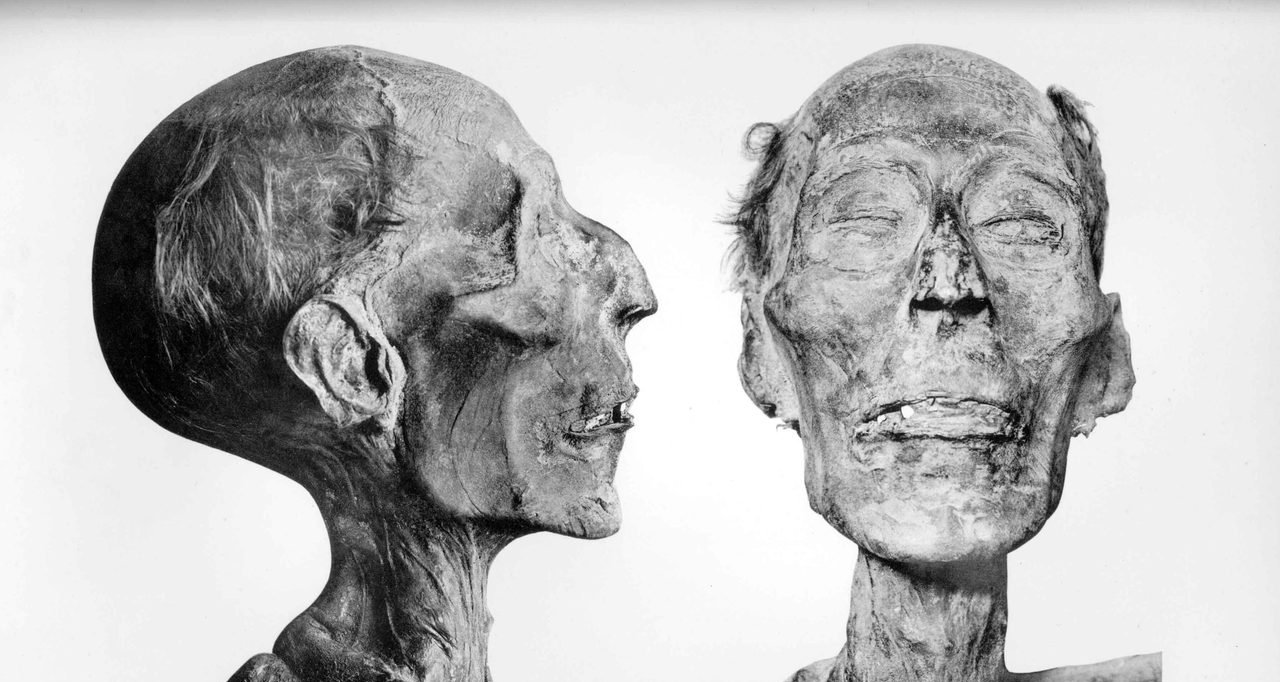
In 1992 a respected German science journal published a result that should not have been possible. Svetlana Balabanova, a forensic toxicologist who helped invent the very methods for finding drugs in human hair, tested nine ancient Egyptian mummies in a Munich museum and found cocaine in every one. Cocaine comes from a single plant, and that plant grew nowhere but South America, an ocean away and thousands of years before any Egyptian is supposed to have crossed it. The mummies carried nicotine and hashish too. This is not a tabloid story. The study was peer-reviewed, the methods were standard forensic toxicology, and it has been fought over in print for more than thirty years. One camp says the readings are real and history needs rewriting. Another says the drugs got in later, through a Victorian insecticide and a century of careless handling, and a 2023 review goes further and questions whether the data can be trusted at all. Both camps are serious. Neither has won. Here is the file, opened claim by claim, every fact wearing its evidence.
Keep three questions apart, because the loudest versions of this story smash them together. First, did a forensic lab really detect cocaine, nicotine, and hashish in Egyptian mummies? Yes, and the paper is still on the shelf. Second, do those readings prove ancient Egyptians were using American drugs? That is the fight, and it is nowhere near settled. Third, does any of it prove Egyptians sailed to Peru, or that Atlantis brokered the deal? No, and the evidence for that runs from thin to nonexistent. Slide those three apart and the controversy gets clearer, not weaker. Let us open the file.
01The Result That Broke The Rules
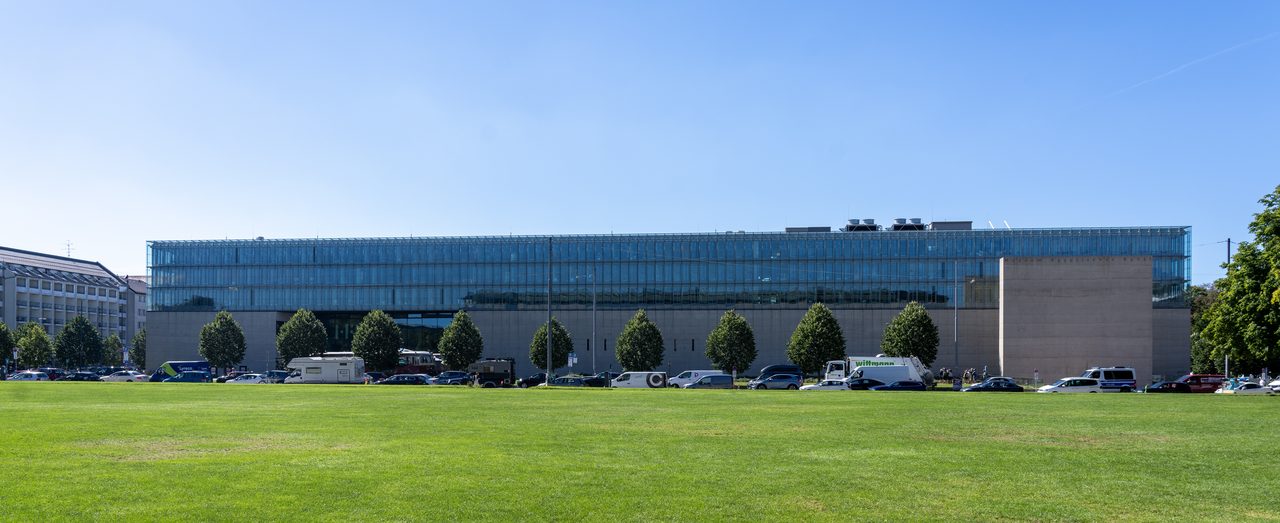
Start with how solid the base layer is, because the argument only matters if the finding is real, and it is. In 1992 the journal Naturwissenschaften, a respected peer-reviewed German science publication, ran a short paper titled 'First identification of drugs in Egyptian mummies.' Its authors were Svetlana Balabanova, Franz Parsche, and Wolfgang Pirsig. Balabanova was no fringe figure. She was an established forensic toxicologist with decades of casework behind her, credited with inventing methods still used to detect drugs in human hair and sweat. Her team tested hair, soft tissue, and bone from nine mummies held in the Staatliches Museum Aegyptischer Kunst, Munich's State Museum of Egyptian Art, specimens dated from roughly 1070 BCE to 395 CE. The tools were radioimmunoassay and gas chromatography with mass spectrometry, both of them standard forensic-grade techniques, the same class of method that holds up in a modern courtroom. Note what is and is not in dispute: the methods are not the argument. Only the interpretation of what they found is.

The sample itself was grimmer and stranger than the headline suggests. Of the nine, seven were severed heads, plus one complete mummy and one incomplete one; three were female and six were male. These were not display-case showpieces chosen for a documentary. They were ordinary anatomical specimens in a museum's Egyptian holdings, which matters more than it looks, because where a specimen has been and who has handled it turns out to be the whole ballgame.
Now the numbers that started the fight, and they are worth getting exactly right, because even careful retellings have flipped them. Of the nine mummies, cocaine was detected in all nine. Tetrahydrocannabinol, the active compound in cannabis and hashish, was also detected in all nine. Nicotine was detected in eight of the nine. That is the result: cocaine nine of nine, hashish nine of nine, nicotine eight of nine. Three substances, three near-total hit rates, in bodies that predate Columbus by a minimum of a thousand years.
| Substance | Detected In | Where Its Plant Source Grows |
|---|---|---|
| Cocaine | 9 of 9 mummies | South America only |
| Hashish (THC) | 9 of 9 mummies | The Old World, Egypt included |
| Nicotine | 8 of 9 mummies | New World tobacco, though a wild African species exists |
02One Of These Three Is Not Like The Others
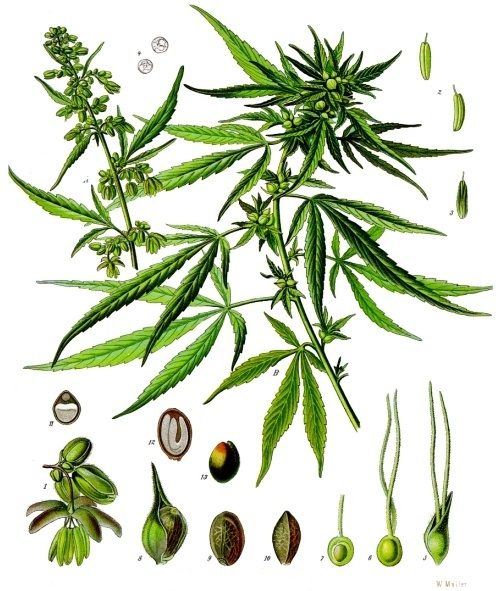
Before anyone crosses an ocean, throw out the easy third of the puzzle. The hashish is not a mystery at all. Cannabis was grown, traded, and used across the ancient Old World, and its presence in Egypt is independently documented from pollen, from archaeological finds, and from the medical text known as the Ebers Papyrus. A THC reading in an Egyptian mummy is about as surprising as beer residue in a Bavarian one. So of the three substances, only two of them, nicotine and cocaine, carry any real anomaly. Cross hashish off the board.
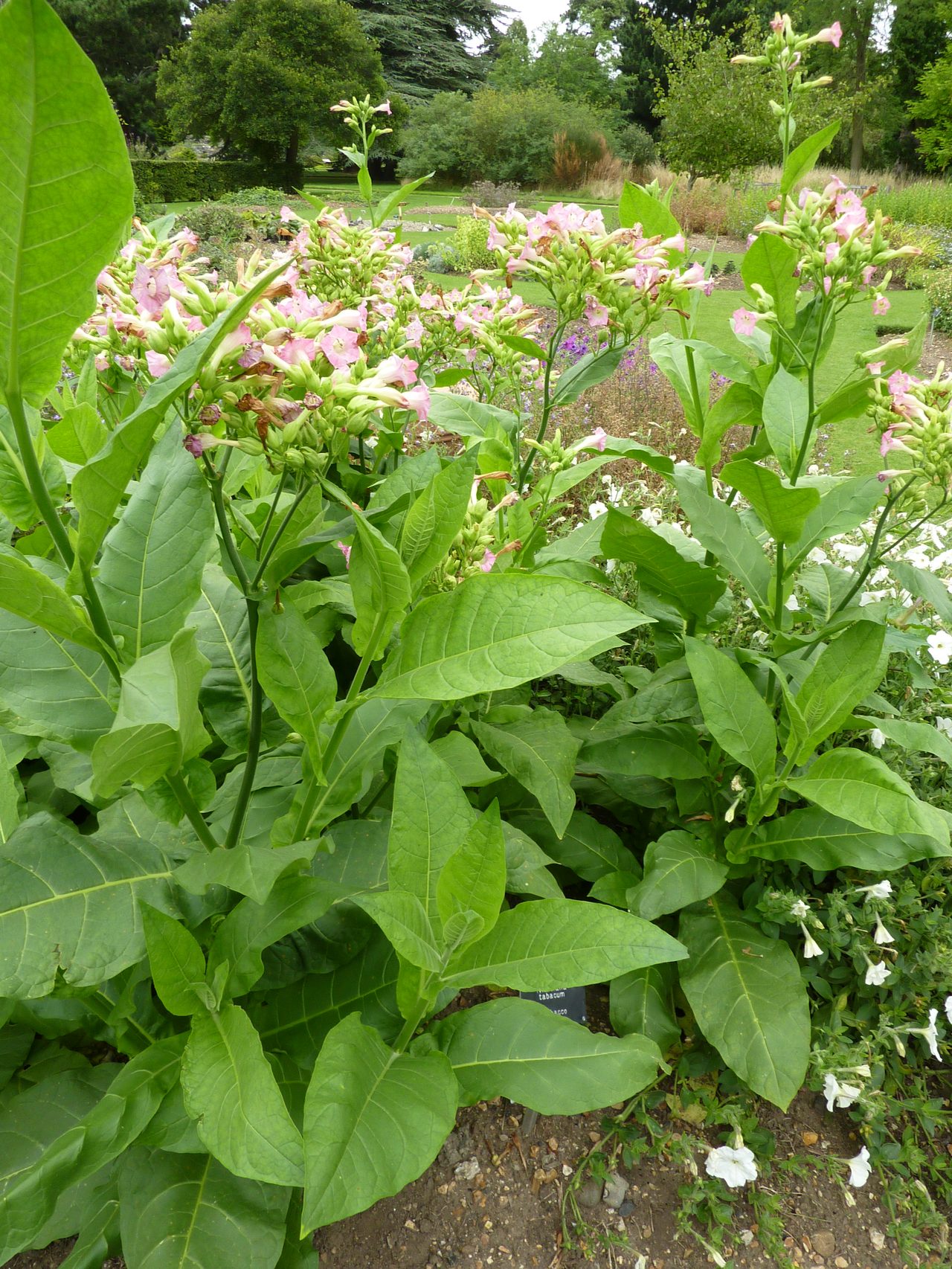
The nicotine is stranger, but there is a catch most retellings skip. The tobacco plant everyone pictures, Nicotiana tabacum, really is a New World domesticate, bred in the Americas. But the genus Nicotiana is not exclusively American. Nicotiana africana grows wild in Africa, the only tobacco species native to the continent, clinging to three isolated populations on the Brandberg, Erongo, and Spitzkoppe mountains of northwestern Namibia. Several more wild tobaccos are native to Australia. So the clean line 'tobacco means the Americas' is not quite clean. Nicotine has, at least in principle, other places it could come from. Hold that thought, because cocaine has no such escape hatch.
03The Study Did Not Stand Alone
A single startling paper is easy to wave away. This one did not stay single. Balabanova ran further tests on additional mummies and kept getting positive results. In 1995 a team led by Andreas Nerlich confirmed nicotine in Egyptian mummy tissue, and the same year Franz Parsche and Nerlich reported nicotine in ancient Sudanese mummies, pushing the pattern south of Egypt. And back in 1991, Larry Cartmell's group had already detected cocaine in South American mummy hair, which cuts two ways and needs reading carefully. On one hand it proves the testing method genuinely works: point it at people who really did chew coca, in a place where coca grew, and it lights up correctly. On the other hand, that is South America, where cocaine belongs. Cartmell's result validates the tool. It does not, by itself, tell you whether the Egyptian readings are ancient truth or modern contamination. That question needs its own answer.
04The Case For Contamination
Here is the explanation most working scientists reach for first, and it deserves its full weight, not a strawman. The mummies did not spend the last two centuries in a sealed vault. They spent it in the hands of collectors, dealers, and curators, in a period when the chemistry around them was saturated with exactly the compounds later found inside them. Nineteenth-century museums routinely treated specimens with nicotine-based insecticides, nicotine sulfate among them, to keep pests out of organic material. That alone can put nicotine into old tissue with no ancient smoker required. A parallel handling theory notes that cocaine use was widespread in the Victorian era, so human handlers could in principle have left traces, though this one is weaker and less supported. And there is open debate over whether embalming materials or later conservation treatments could have driven alkaloids into the tissue long after death. None of this is exotic. It is the ordinary, unglamorous history of museum objects.
The single most on-point published rebuttal has a memorable name: 'Rameses II and the tobacco beetle.' In 2001, Paul Buckland, Eva Panagiotakopulu, and Martin Carver published it in the journal Antiquity, examining the tobacco and nicotine evidence associated with the mummy of Rameses II himself. Their conclusion was deflationary and specific: the most likely source was a nineteenth-century insecticide applied during museum conservation of the mummy, not ancient tobacco and certainly not a voyage to the Americas. And they did not stop at nicotine. They argued the cannabis and cocaine claims deserve the same scrutiny, on the same logic. Many mummies received chemical conservation treatments in the nineteenth and early twentieth centuries, before anyone ran a modern toxicology screen on them, so post-excavation contamination is a live explanation for all three substances at once, not just the tobacco. This is the mainstream skeptical case at its strongest, and it is a strong case.
There is a deeper, more general reason to distrust a positive reading from ancient hair. Forensic scientists have known for years that hair is a treacherous test matrix. Hair from people who never touched a given drug can still test positive for it, picked up from the environment around them, and standard washing and decontamination steps do not always scrub that external contamination back out. A 2009 methodological review by Frank Musshoff and Burkhard Madea, titled 'Analytical pitfalls in hair testing,' lays out exactly this class of problem. Apply it here and the worry is obvious. A mummy that lay for a century in a drug-soaked, insecticide-treated museum is close to a worst case for external contamination of hair, and a positive reading may be measuring the museum, not the person.
05The Fraud Allegation, And Her Answer
In 2023 a sharper charge entered the literature. Giorgio Samorini, writing in the Antrocom Online Journal of Anthropology, reviewed not just the 1992 paper but Balabanova's whole later body of work, in which she reported drugs in ancient remains from population after population across several continents. Samorini catalogs what he describes as numerous contradictions and inconsistencies running through those studies, and his conclusion is blunt. Careful observation of those contradictions, he writes, reveals 'the strong possibility of falsification.' Read that at its real weight, no more and no less. This is one scholar's published critique raising a serious possibility, not a proven verdict and not a consensus finding. It says the record may not be trustworthy. It does not, on its own, prove that it is not. But it pushes the skeptical case beyond innocent contamination and onto the integrity of the data itself, and that is a heavier thing to allege.
Balabanova did not concede the point in her lifetime. In the 1996 documentary that carried this story to a wide audience, 'The Mystery of the Cocaine Mummies,' an episode of Channel 4's Equinox science series directed by Sarah Marris, she said she had sent samples out to three other laboratories and that all three came back with consistent results. Weigh that for exactly what it is. It is her own account, given on camera, not a published multi-laboratory replication study with its methods laid open for inspection. It is a real answer to the contamination charge, and it is also precisely the kind of claim that needs independent publication to carry full weight. On this file it sits a notch below the peer-reviewed work on either side.
06If It Is Real, It Grew In One Place
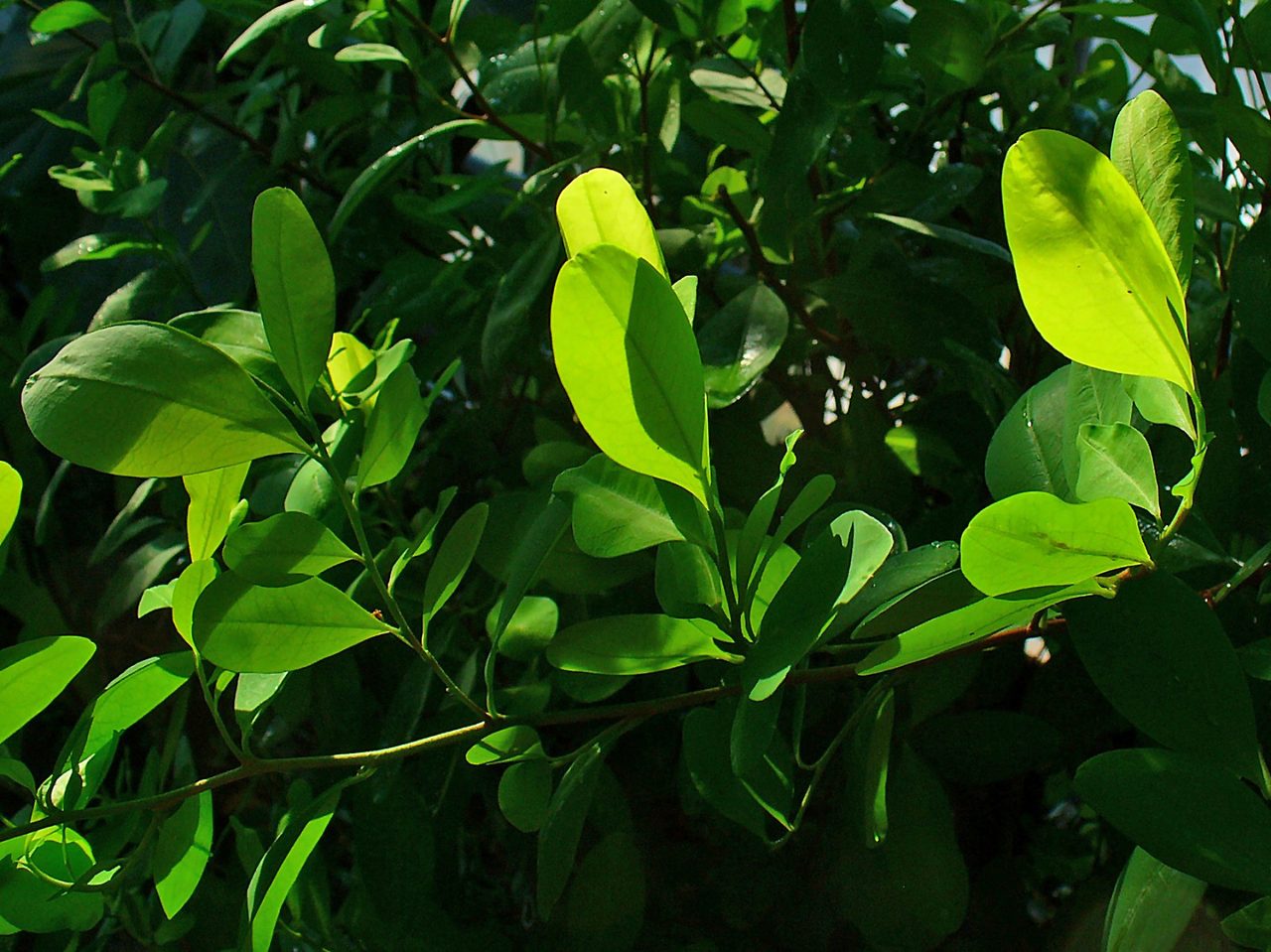
Suppose, for the sake of argument, the contamination case fails and the readings really are ancient. The nicotine could still, just about, be explained at home. That wild African tobacco exists, even if it clings to Namibian mountains most of a continent away from the Nile. Ashwagandha, Withania somnifera, was known in ancient Egypt and belongs to the nightshade family, the same botanical family as tobacco, and trace nicotine turns up naturally across various nightshades as a built-in insect deterrent. None of these is a comfortable fit for Egypt, but none is flatly impossible either. Cocaine is where the argument runs out of road. There is no known Old World source for it. Erythroxylum coca is exclusively South American. Researchers have floated African Erythroxylum species as a theoretical stand-in, but none of them is known to produce cocaine in any meaningful quantity. If the cocaine in those mummies is genuine and not contamination, it came from South America. Full stop.
And that is the doorway the whole controversy is famous for. If South American coca reached the body of an Egyptian, someone carried it across an ocean, or handed it along a relay of traders who did, centuries or millennia before Columbus. The routes people propose are specific. An Atlantic coastal path, hugging West Africa and then striking across to South America, is the leading candidate; a Pacific route through Polynesian intermediaries gets floated too, though almost nobody thinks it plausible for Egypt in particular. The usual nominees for the middlemen are the Phoenicians, the ancient Mediterranean world's great maritime traders, whose colonies reached West Africa by the time of Hanno's voyage around 500 BCE, close enough to an Atlantic launch point to make the idea more than idle. That is as far as the evidence goes, and it is important to be honest about how far that is not. No Egyptian artifact has been confirmed in the Americas. No Phoenician one either. No archaeological find has established the crossing in either direction. This is a hypothesis built to explain a chemical reading, not a route anyone has traced in the ground.
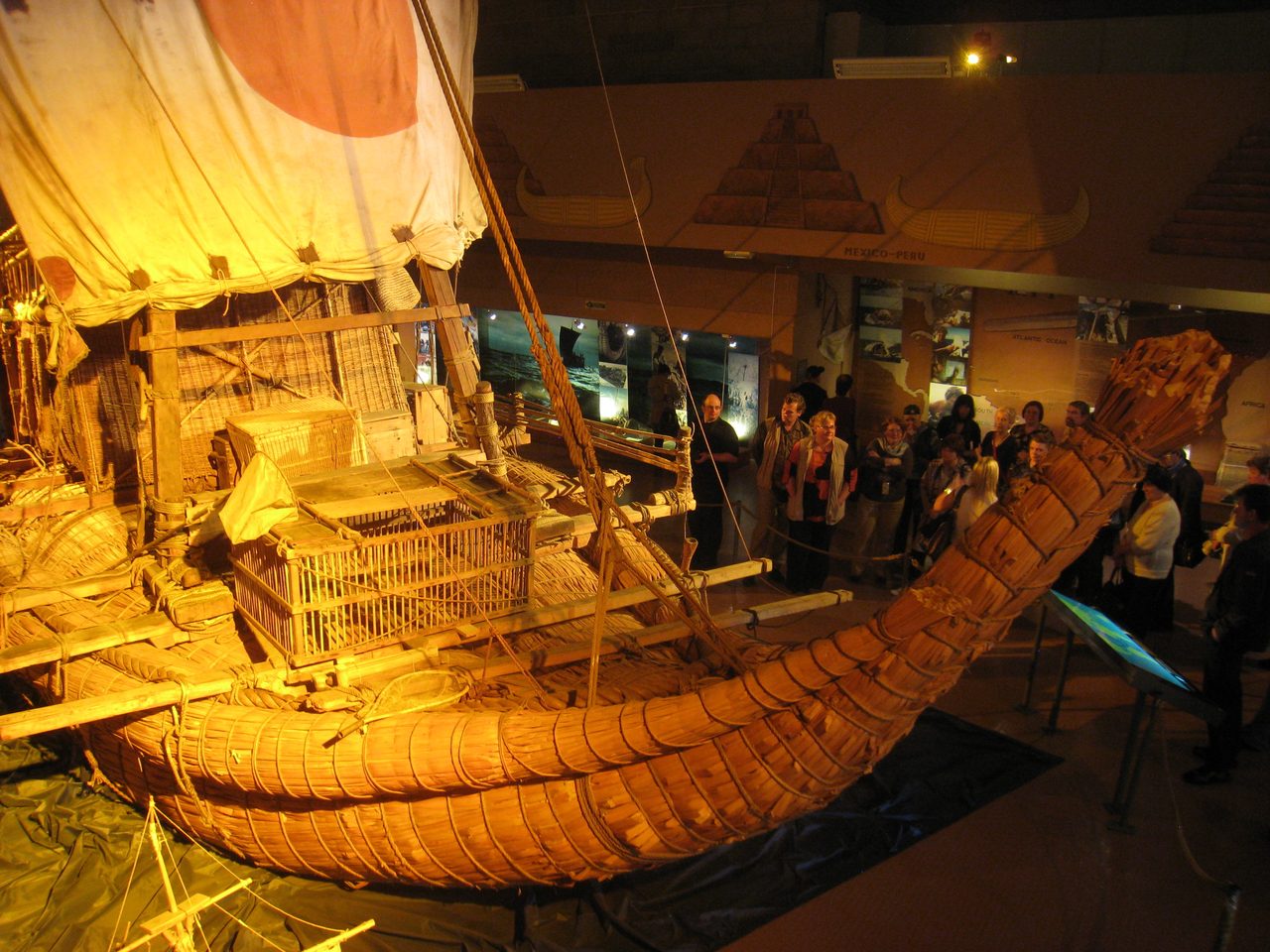
Could it even have been done? Physically, yes, and that much is not in doubt. Ocean-worthy boats, reed-bundled and plank-built, existed by at least 1500 BCE. In 1970 Thor Heyerdahl sailed a papyrus reed boat, Ra II, built on an ancient model, clear across the Atlantic, to prove the crossing was within reach of ancient technology. But be precise about what Ra II proved and what it did not. It proved the voyage was possible. It proved nothing about whether any ancient Egyptian ever actually made it. Feasibility is not evidence. A thing can be buildable and still never have been built.
07The Problem Nobody Can Rule Out
There is one more explanation, quieter than a cover-up and less dramatic than a Bronze Age voyage, and it may be the most corrosive of all. We do not fully know what those nine specimens are. Many mummies in nineteenth-century European collections came through the antiquities market, where labels were casual and provenance was often a guess. It is a real possibility that some of the tested specimens are not from the period assigned to them, or not even straightforwardly Egyptian, and the dating of the specific mummies has itself been questioned. A finding is only ever as solid as the object it came from. If you cannot be certain of the chain of custody from ancient tomb to museum drawer to test tube, then every reading taken from it inherits that uncertainty, whichever side you are rooting for.
08What This Is Not
Three claims cluster around this controversy like barnacles, and all three are contradicted or unsupported by the evidence. Naming them is not taking the skeptics' side. It is keeping the real question, which is genuinely open, from being buried under three that are not.
First, there is no cover-up. The idea that mainstream archaeology has suppressed the Balabanova findings does not survive contact with the record. The work was published in a peer-reviewed journal, argued over in other peer-reviewed journals, and broadcast to a large audience on national television. That is the opposite of suppression. Scientists doubting a contested result and testing it through normal channels is how science is supposed to work, and it is not the same thing as silence.
Second, there were no regular trade routes between Egypt and the Americas. Even if every reading turned out to be genuine ancient cocaine, a handful of anomalous molecules would show that contact happened once, not that it was routine. There is no credible evidence for established, repeated Egypt-to-Americas traffic. And the standby proofs the fringe reaches for, Egyptian hieroglyphs supposedly found in the Grand Canyon, in Australia, in Brazil, are unsubstantiated, every one of them.
Third, you do not need Atlantis and you do not need aliens. Theories that a lost supercivilization or extraterrestrial visitors brokered the trade have no evidentiary basis whatsoever. The entire argument, on both its serious sides, fits comfortably inside ordinary human history: forensic chemistry, museum handling, and the reach of ancient boats. No exotic mediator is required to state either the case for the finding or the case against it, and reaching for one only makes the real puzzle harder to see.
09Every Claim, Every Tier
Here is the whole file on one page, each claim carrying its tier, because the fastest way to get this story wrong is to flatten a real finding, a real rebuttal, and a fringe fantasy into one flat 'mystery.' They are not the same thing, and the tiers are what keep them apart.
| The Claim | Tier | The Basis |
|---|---|---|
| The 1992 study happened, peer-reviewed, standard forensic methods | Tier 1 | Balabanova, Parsche and Pirsig, Naturwissenschaften 1992 |
| Cocaine 9 of 9, hashish 9 of 9, nicotine 8 of 9 | Tier 1 | The paper's own reported results |
| Cannabis use in ancient Egypt is well documented | Tier 1 | Pollen, the Ebers Papyrus, archaeology |
| Tobacco is a New World crop, but a wild African species exists | Tier 1 | Botany of the genus Nicotiana |
| Later tests found nicotine in Egyptian and Sudanese mummies | Tier 2 | Nerlich 1995; Parsche and Nerlich 1995 |
| The readings are museum contamination, not ancient use | Tier 2 | Buckland, Panagiotakopulu and Carver, 2001 |
| Ancient hair testing is prone to external contamination | Tier 2 | Musshoff and Madea, 2009 |
| Balabanova's wider body of work may be unreliable | Tier 2 | Samorini, 2023, alleges possible falsification |
| If genuine, the cocaine came from South America | Tier 2 | No known Old World coca source |
| Trans-oceanic contact carried it, perhaps via Phoenicians | Tier 3 | Proposed route; no artifact confirms it |
| Ancient reed boats could have made the crossing | Tier 3 | Heyerdahl's Ra II, 1970; feasibility only |
| The tested mummies' provenance and dating are uncertain | Tier 3 | 19th-century antiquities-market collection |
| Mainstream archaeology covered the findings up | Tier 4 | Contradicted; published and debated openly |
| Regular Egypt-to-Americas trade routes existed | Tier 4 | Unsupported; no credible evidence |
| Atlantis or aliens brokered the contact | Tier 4 | No evidentiary basis |
Fast Facts
- The Study
- Balabanova, Parsche and Pirsig, Naturwissenschaften, 1992
- The Sample
- Nine mummies in Munich's State Museum of Egyptian Art, c. 1070 BCE to 395 CE
- The Result
- Cocaine 9 of 9, hashish 9 of 9, nicotine 8 of 9
- The Method
- Radioimmunoassay and GC/MS, standard forensic toxicology
- The Easy One
- Hashish; cannabis use in ancient Egypt is not in doubt
- The Hard One
- Cocaine; its only plant source is South American
- The Skeptics' Anchor
- The 2001 Rameses II tobacco-beetle paper: blame museum insecticide
- The Fraud Question
- A 2023 review raises the possibility of falsification
- The Feasibility Proof
- Heyerdahl's Ra II reed boat crossed the Atlantic in 1970
- The Verdict
- Still open after more than 30 years
What We Can Actually Stand Behind
The finding is real, and this part is not in dispute. In 1992 Balabanova, Parsche, and Pirsig published a peer-reviewed study that used standard forensic toxicology, radioimmunoassay and GC/MS, on nine mummies in Munich's Egyptian museum, and reported cocaine in nine of nine, hashish in nine of nine, and nicotine in eight of nine. Cannabis in ancient Egypt was already well documented, so the hashish surprises no one. Cultivated tobacco really is a New World plant. All of that is Tier 1, and none of it is what people are actually fighting about.
What the cocaine and nicotine readings actually mean is the true open question, and it is genuinely unsettled. The strongest skeptical case, anchored by the 2001 Rameses II tobacco-beetle paper, says the alkaloids came from nineteenth-century museum insecticides and handling, and the known contamination pitfalls of hair testing back that worry up. A 2023 review goes further and raises the possibility that Balabanova's wider body of work is not reliable, though that is an allegation, not a proven verdict. Balabanova, for her part, said three other labs reproduced her results, though never in a published multi-lab study. Partial replications exist. So does serious doubt. All of it is Tier 2, and after more than thirty years, neither side has closed it.
If the cocaine is genuinely ancient, it came from South American coca, and someone would have had to carry it across an ocean before Columbus, perhaps along an Atlantic route with Phoenician traders as the middlemen. Reed boats like Heyerdahl's Ra II show the crossing was physically possible, but possible is not the same as done, and no Egyptian or Phoenician artifact has ever been confirmed in the Americas. The provenance and dating of the specific Munich mummies are themselves uncertain, sold through a nineteenth-century antiquities market that kept casual records. All of this stays Tier 3, speculative.
And a few claims are simply not supported, so say so plainly. No, mainstream archaeology did not cover the findings up; they were published, argued over in print, and broadcast on national television. No, there were no regular trade routes between Egypt and the Americas, and the hieroglyphs supposedly found in the Grand Canyon, Australia, and Brazil are unsubstantiated. And no, you do not need Atlantis or aliens; the entire controversy, on both its serious sides, fits inside ordinary human history. Those belong in the ground.
So hold the layers apart and the file stays honest. The test happened, the chemistry is real, and the hashish means nothing unusual at all. What the cocaine and nicotine readings mean is the true open question, and after more than thirty years of published argument, neither the finding nor its critics has landed a knockout. The contamination case is strong. The chemistry, if it is genuine, points at a single continent no Egyptian is supposed to have reached. Both of those can be true at once, which is exactly why the case will not close. So here is the question the mummies leave on the table: if a reading like this one day survives every contamination test we can throw at it, are we ready to redraw the map of who reached whom, and when?
Sources & further reading
Everything above is drawn from our research library on Theories of Anything, which is where we worked from. The papers, reports and primary records listed beneath them are where you can check us independently.
Image credits
- Mummy of Ramesses II, Cairo Museum historical photograph by G. Elliot Smith, via Wikimedia Commons. Public domain Source.
- Gas Chromatograph With Autosampler photograph by NeoLyo89, via Wikimedia Commons. CC BY 4.0 Source.
- Staatliches Museum Aegyptischer Kunst, Munich photograph by AuHaidhausen, via Wikimedia Commons. CC BY 4.0 Source.
- Cannabis Sativa, 1897 Botanical Illustration plate by Franz Eugen Koehler, Kohler's Medizinal-Pflanzen (1897), via Wikimedia Commons. Public domain Source.
- Erythroxylum Coca Leaves photograph by H. Zell, via Wikimedia Commons. CC BY-SA 3.0 Source.
- Nicotiana Tabacum, Living Plant photograph by Magnus Manske, Cambridge University Botanic Garden, via Wikimedia Commons. CC BY-SA 3.0 Source.
- Ra II, Kon-Tiki Museum, Oslo photograph by Daderot, via Wikimedia Commons. Public domain Source.
- Card crop of Mummy of Ramesses II, Cairo Museum historical photograph by G. Elliot Smith, via Wikimedia Commons. Public domain Source.

.jpg)


_(Solanaceae)_Plant.JPG)
