Why Every Civilization Eventually Falls
Every complex society that has ever existed has either fallen or been transformed past recognition, and for two centuries scholars have hunted for the single law behind it. Akkad fell in one generation. Rome took three hundred years. The Classic Maya emptied their cities into the jungle. Norse Greenland held onto its cattle as the cold closed in and the sea offered seals instead. And Angkor, the sprawling heart of the largest pre-industrial city ever found, was undone by the very waterworks that built it. Five serious theories compete to explain the pattern, from Tainter's economics of complexity to Turchin's mathematics of instability, and not one of them has won. Meanwhile a growing body of archaeologists argues that the most popular word for all of it, collapse, is the one thing the evidence does not actually support. Here is the whole argument, every case and every framework wearing its tier.
Start with the only part of this that is not in dispute. Every complex, urban, state-level society that has ever existed has, sooner or later, either fallen apart or changed so completely that its own people would not recognize what came after. Akkad, Old Kingdom Egypt, the Indus cities, Rome, the Classic Maya, Norse Greenland, Rapa Nui, the Khmer god-kings at Angkor: eight different worlds, eight different endings, on four continents across four thousand years. The question that has obsessed historians since the eighteenth century is whether there is a single hidden law underneath all of it, one mechanism that brings the great ones down. There are five serious candidate answers, and we will weigh each. But the honest place to begin is with the wreckage itself, because the cases are far better evidenced than the theories built on top of them. The most famous case of all, the Late Bronze Age Collapse of around 1177 BCE, we tell in full in our companion dossiers on the Bronze Age Collapse and the Sea Peoples, and treat here only as one example among many.
01The Wreckage: Eight Civilizations, Eight Endings
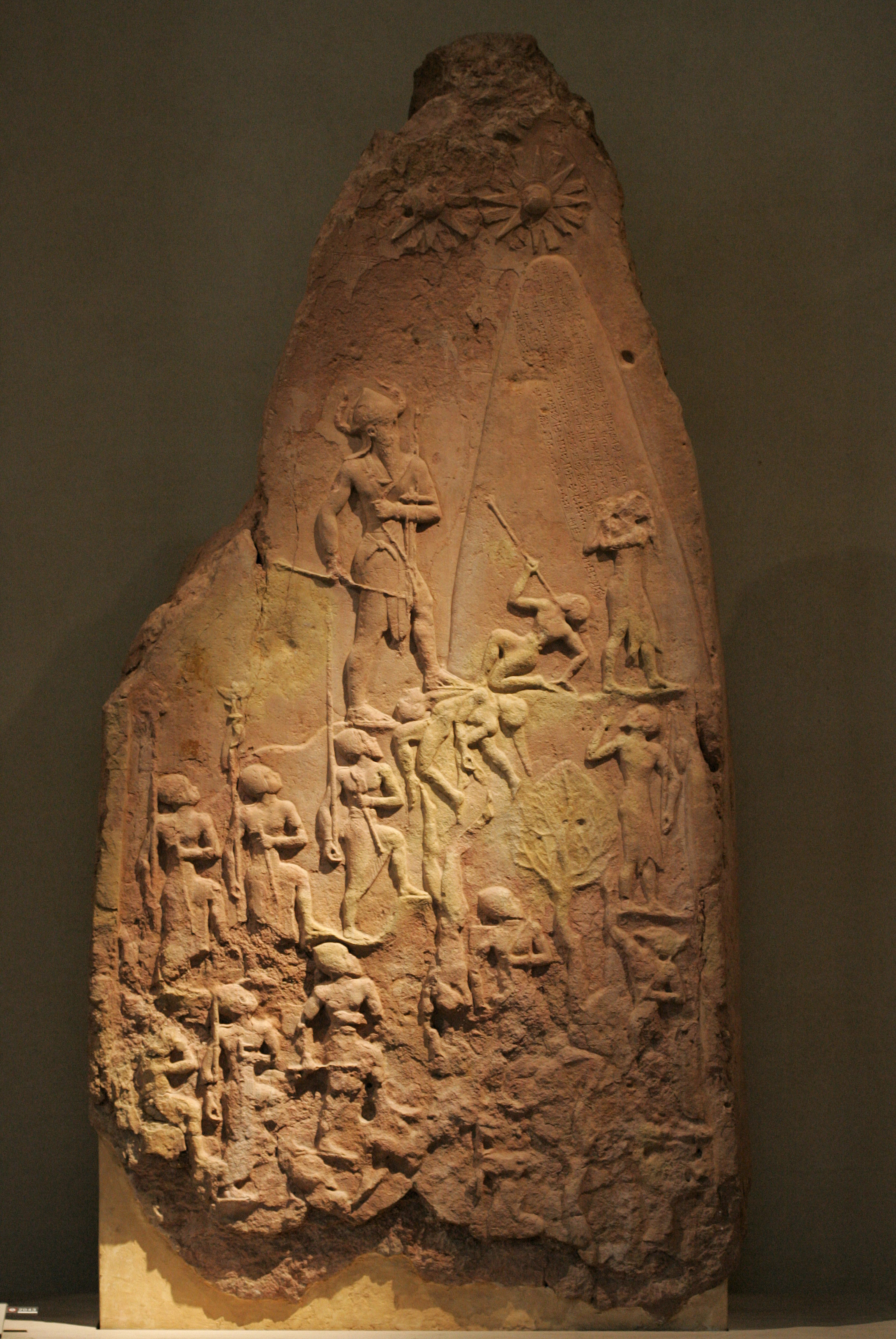
Begin with the first empire in recorded history, and the first to fall. The Akkadian Empire, which united Mesopotamia under Sargon and his heirs, came apart within a single generation around 2154 BCE. The trigger written into the earth is a roughly three-century regional drying, the event climate scientists now call the 4.2-kiloyear event, recorded in ice cores and in ocean and lake sediments across the region. In the Akkadian heartland the population is estimated to have fallen by around seventy percent. An empire that had taken lifetimes to assemble was effectively gone inside one.
That is not a story reconstructed from myth. In 1993, Harvey Weiss and colleagues published the hard evidence in Science, documenting an abrupt aeolian dust layer and regional aridification beginning around 2200 BCE, read straight out of the excavated sediments at Tell Leilan in northern Mesopotamia. The paper ties that abrupt climatic shift to the documented abandonment of Tell Leilan itself, to the emptying of dry-farming settlements across the north, and to the collapse of the Akkadian state centered in the south. A drought you can measure in a dust layer, lined up with an empire you can watch disappear from the record.
Roughly the same century, roughly the same climate pulse, a different river. The end of Egypt's Old Kingdom, around 2181 BCE, opened the chaotic stretch Egyptologists call the First Intermediate Period, and it coincides with a sustained failure of the annual Nile flood across multiple decades that sediment analysis independently ties to environmental causes. The Egyptians described what that felt like from the inside. One surviving text records that the entire Upper Egypt was dying of hunger, to such a degree that everyone had come to eating his children. Whatever else collapse is in the abstract, on the ground it looked like that.
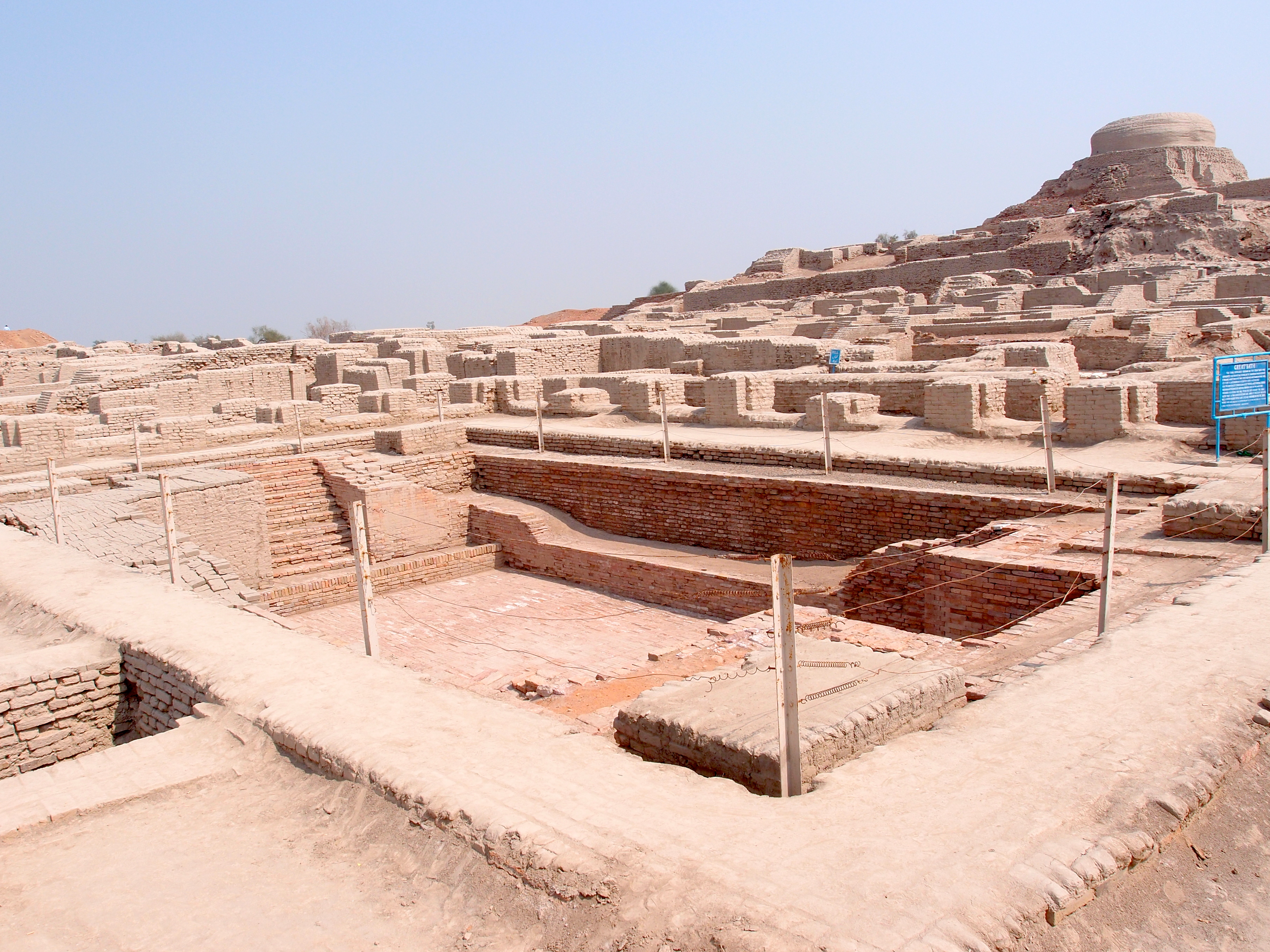
The largest Bronze Age civilization of them all left almost no drama at all. The Indus Valley, or Harappan, civilization held an estimated five million people across more than fifteen hundred settlements, and beginning around 1900 BCE it was abandoned gradually over roughly two hundred years. The Ghaggar-Hakra river system dried up, likely alongside a wider drought. And here is the detail that should complicate every dramatic image of collapse you carry: there is no evidence of violent destruction. No sack, no burning, no invasion layer. The population did not perish in place. It dispersed.
The mechanism has since been read out of the rivers themselves. In 2012, Liviu Giosan, Peter Clift and colleagues published a fluvial-geomorphology study in PNAS showing that the Ghaggar-Hakra system was fed by the monsoon, not by a great glacier-fed Himalayan river as had long been assumed, and that it became ephemeral and was largely abandoned by around four thousand years ago. As the Holocene monsoon weakened, those monsoon-fed rivers dried or turned seasonal, the agriculture underwriting Harappan urbanism grew steadily more fragile, and people drifted east toward the wetter land where the rain still fell. Not an apocalypse. A slow, rational walk away from a place that no longer worked.
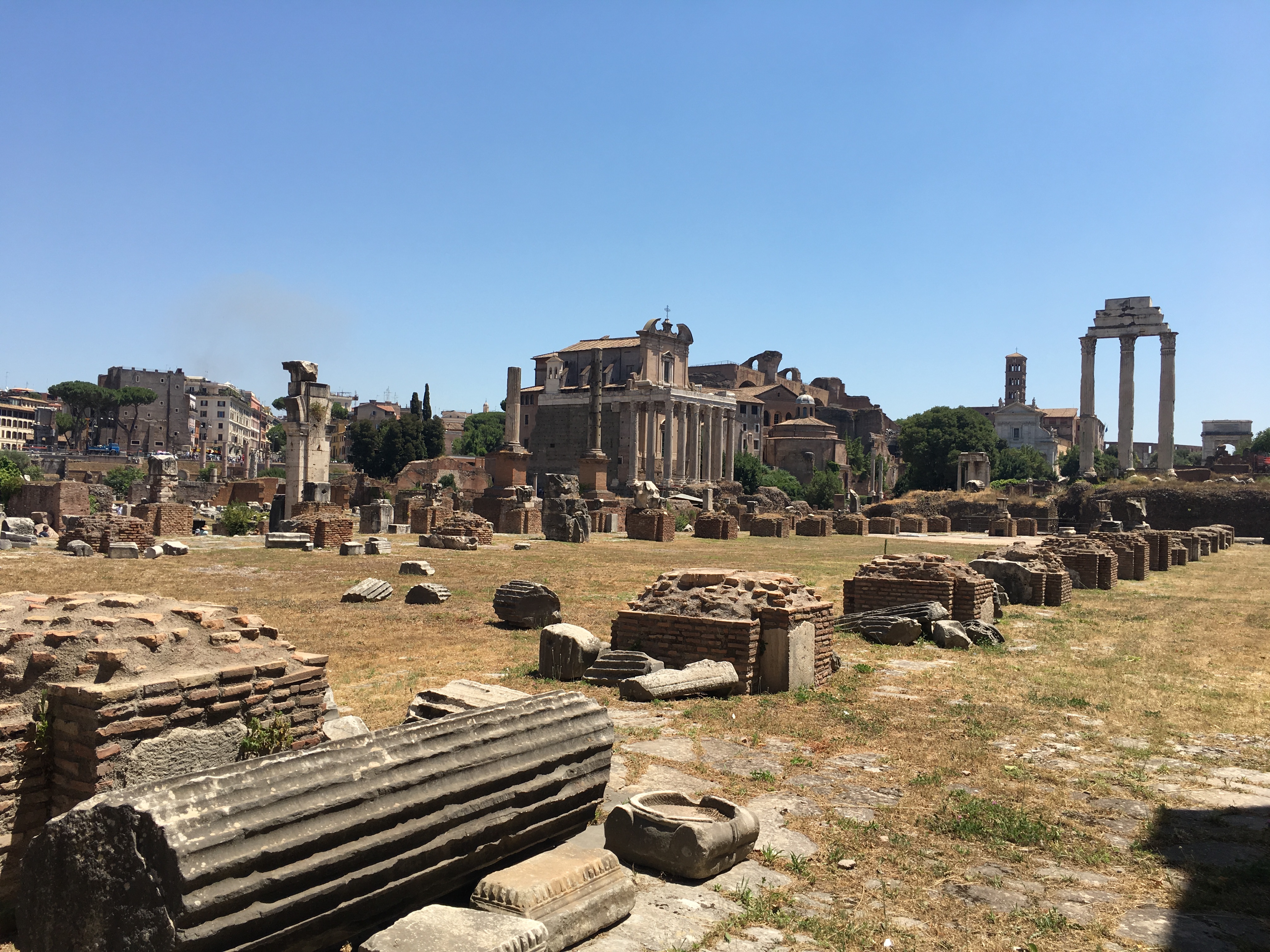
Rome is the case everyone reaches for, and it is the one that most resists a single cause. The Western Roman Empire did not fall in 476 CE so much as unwind across roughly three centuries, and the modern account is frankly multi-causal: military overreach, a currency debased until the silver content of the coinage fell from around ninety-five percent to around five, wave after wave of pandemic in the Antonine, the Cyprian, and the Justinianic plagues, a genuine climate downturn now called the Late Antique Little Ice Age, institutional rot, and the movement of barbarian peoples into imperial territory. No single blow. A system absorbing shock after shock until it could not absorb another.
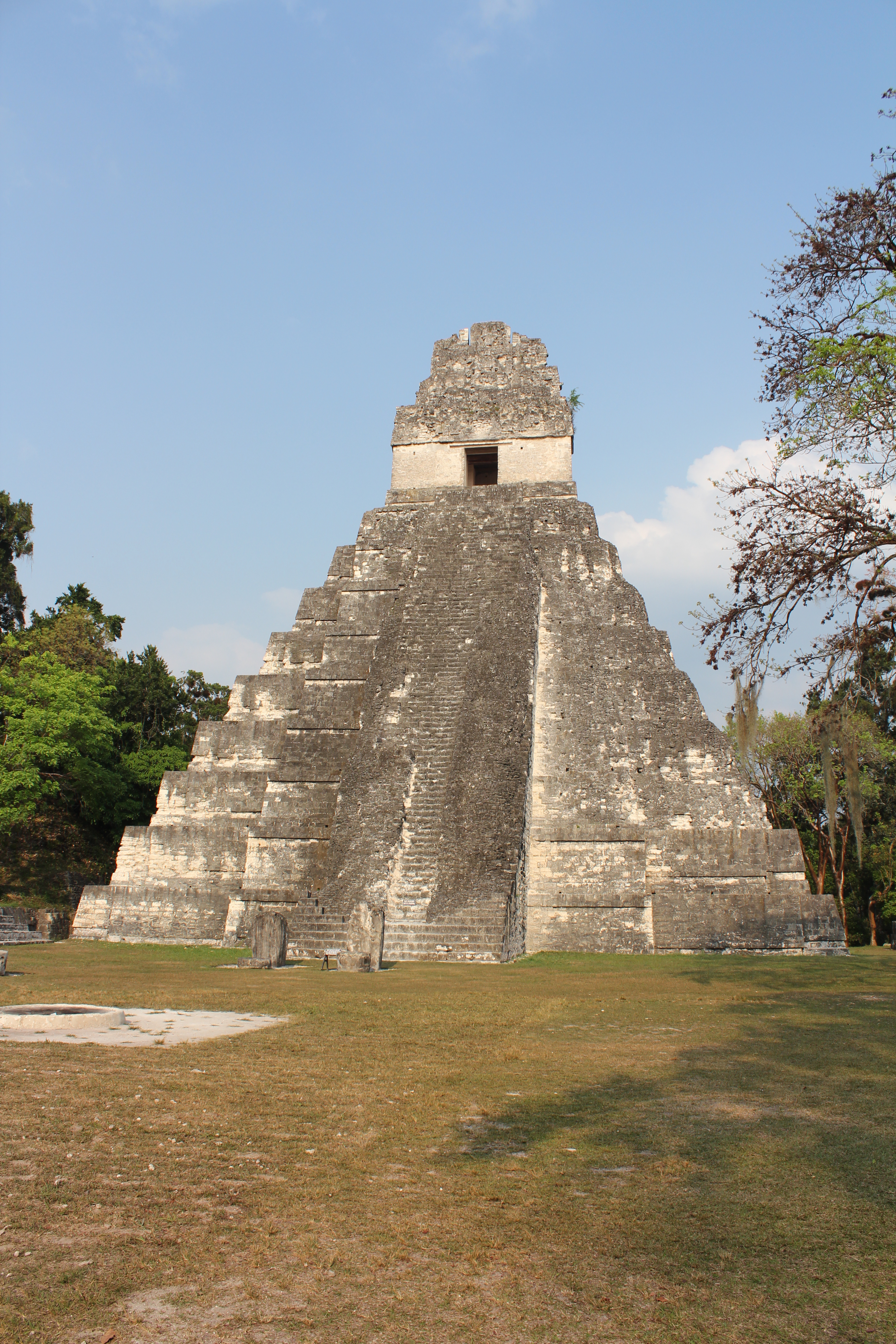
The Classic Maya, millions strong at their height, abandoned their great lowland cities within roughly one hundred to two hundred years beginning around 900 CE, and left them to the forest. Cave speleothems, the stalagmites and stalactites that grow layer by layer with the rainfall, carry a real, dated drought signal across exactly that window. But drought was not alone. Soil exhaustion, relentless warfare between rival city-states, and political fragmentation are all implicated, interacting causes rather than any one villain.
The best single record makes the story richer than drought killed the Maya. In 2012, Douglas Kennett and colleagues published in Science a rainfall reconstruction spanning roughly two thousand years, drawn from a high-resolution stalagmite in Yok Balum Cave in Belize, barely a kilometer and a half from the Classic-period site of Uxbenka. What it shows is a trap. An earlier, unusually wet stretch fueled population growth and a proliferation of competing political centers, building a dense, crowded, ambitious world, and then the rains turned. The drying trend lines up, in the Maya's own hieroglyphic history, with a documented rise in the frequency of recorded warfare. The climate data is solid; the honest reading is not simple determinism but a society that grew fat in the good years and had no slack left when the good years ended.
Norse Greenland lasted more than five hundred years before it was abandoned entirely around 1450 CE, which is itself a rebuke to any idea that these people were simply fragile. The cooling of the Little Ice Age closed in, the long trade lines back to Scandinavia frayed and broke, and, in the reading Jared Diamond made famous, the settlers kept farming cattle and clinging to a European way of life even as the conditions turned against it and the sea around them offered seals and a more sustainable path they never fully took. The dates and the climate are firm. The verdict that cultural rigidity was what killed them is an interpretation, and a debated one, but a haunting one: a colony that starved, in part, holding on to who it thought it was.
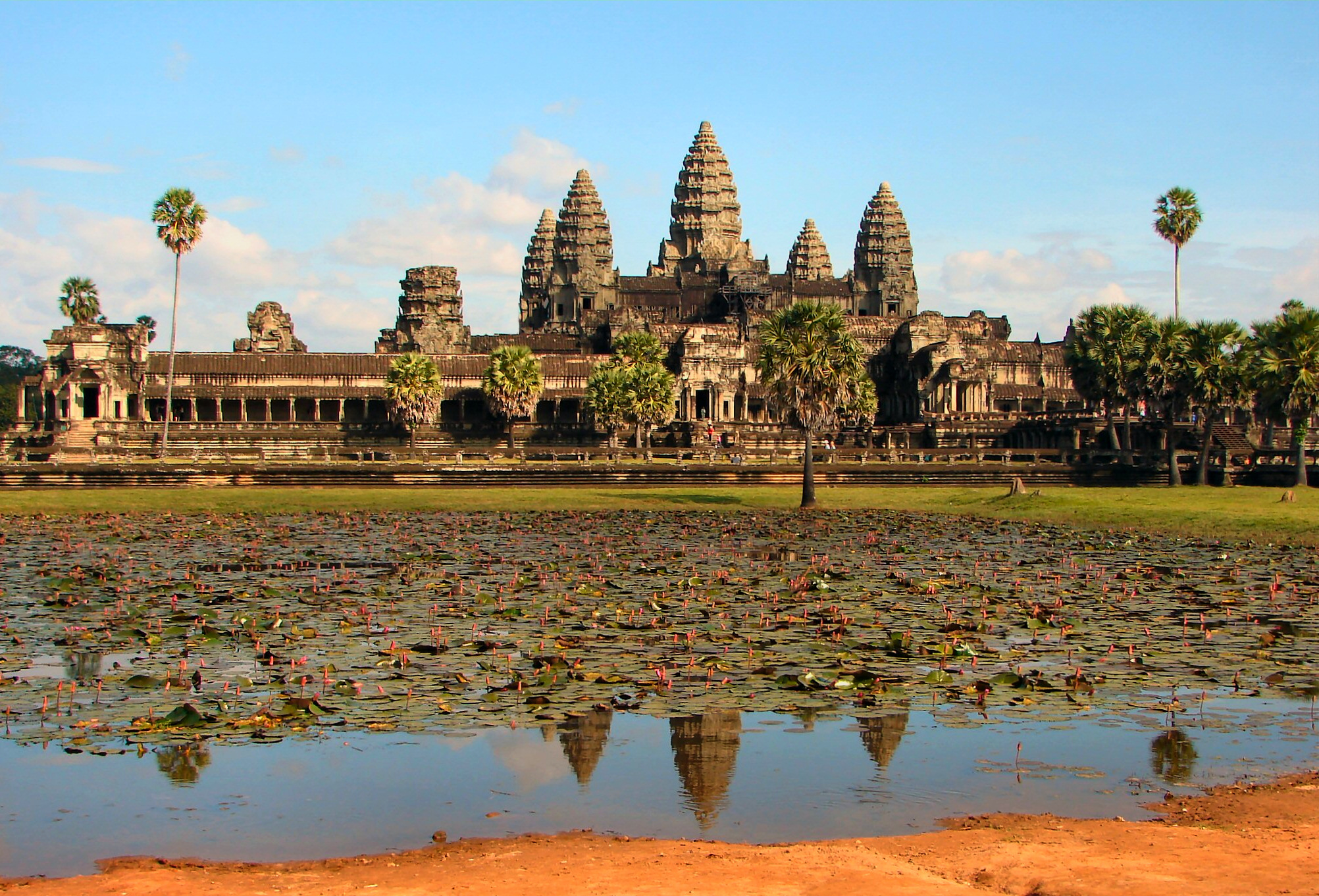
Then there is Rapa Nui, Easter Island, Diamond's own signature case and the one most people mean when they say a society destroyed itself. In his telling it is ecocide: the islanders felled their forests until they could no longer build the canoes that reached their protein at sea, and the population crashed from perhaps fifteen thousand to somewhere around two to three thousand. It is a clean, terrible parable of a people sawing off the branch they stood on. It is also, as the corpus flags plainly, contested.
The most serious challenge comes from archaeologists Terry Hunt and Carl Lipo, whose 2011 book The Statues That Walked argues the parable has the mechanism wrong. Their evidence: the fossil pollen and charcoal record shows no clear sign of large-scale prehistoric land-clearing fires. In their account the forest was eaten, not burned, by the Polynesian rat that arrived with the first canoes, bred without a predator, and devoured the palm seeds that would have regrown the trees, over centuries rather than in a frenzy of human clearance. And the island's real catastrophe, they argue, came after European contact, from disease and slave raiding, not before it. Whether they are right is a separate question. That they are serious, and published, and reading the same evidence, is not.
Diamond has not conceded. In print he has called the Hunt and Lipo position considered transparently wrong by essentially all other archaeologists with active programs on Easter Island, and disputed their settlement dates and their claim that the great moai statues were walked upright, rocked forward on their edges, rather than dragged. So this is not a tidy correction where new evidence overturned an old error. It is a genuine, unresolved fight between capable scholars, and the honest move is to report it as exactly that rather than to hand you a winner the field has not agreed on.
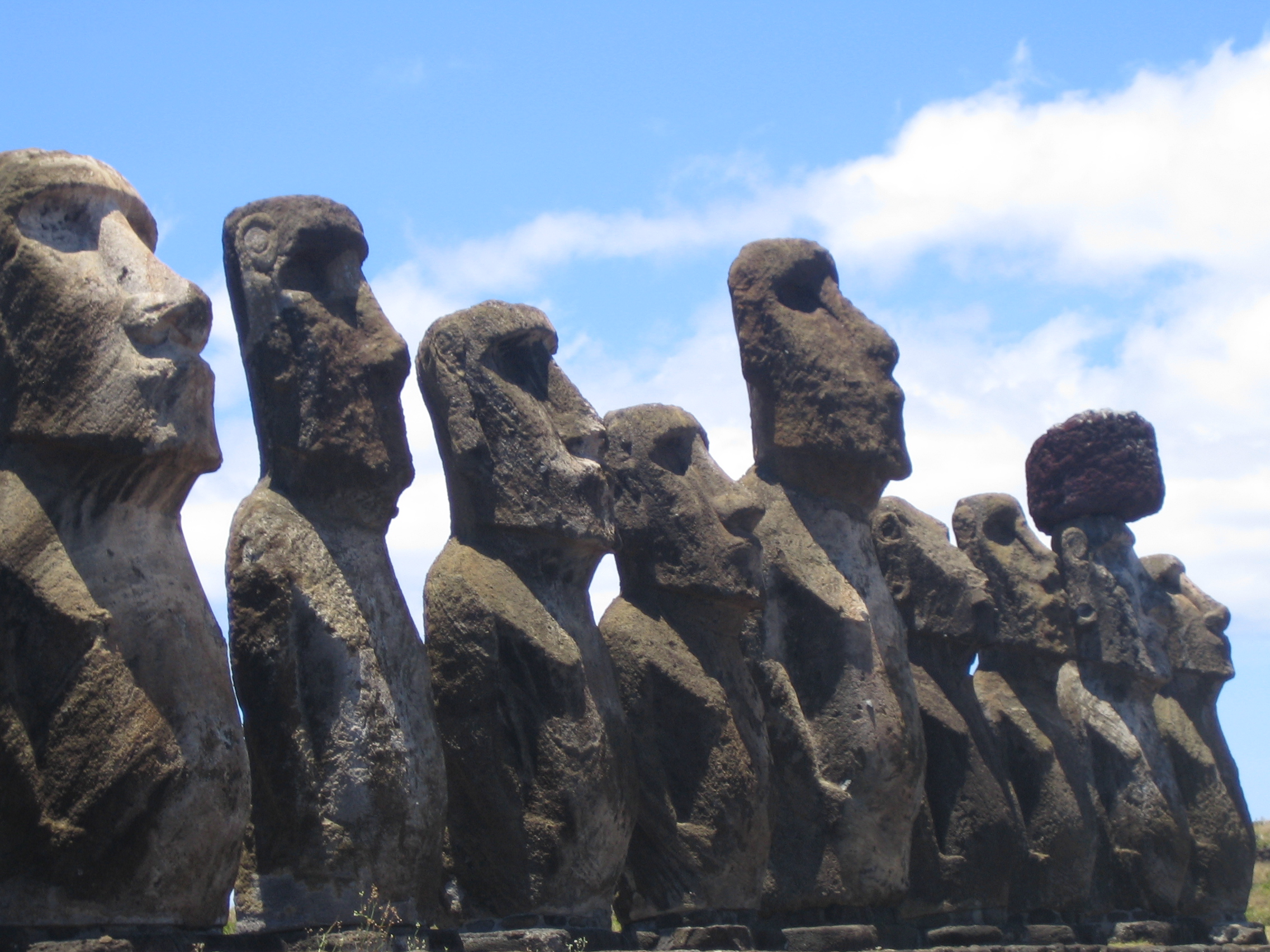
The last case is the one that best rewards a close look, because its shape is different from all the others. The Khmer Empire ruled much of mainland Southeast Asia from 802 to 1431 CE through a devaraja, or god-king, cosmology. Airborne LIDAR surveys flown between 2012 and 2015, led by the archaeologist Damian Evans, stripped away the forest canopy in data and revealed Greater Angkor as a single continuous urban landscape sprawling across more than a thousand square kilometers, with a peak population estimated between 750,000 and 1,000,000 people. It was the largest pre-industrial urban complex ever documented, bigger than any city in contemporary Europe. And it was undone, in large part, by its own greatest achievement.
What made Angkor possible was water. The Khmer built an immense hydraulic machine of reservoirs, the great barays, and canals, tuned across generations to the ordinary rhythm of the monsoon. In the fourteenth and fifteenth centuries that rhythm broke. Decades-long droughts alternated with bursts of unusually violent monsoon flooding, both well outside anything the system was engineered to handle, and the floods tore into water-control infrastructure that the preceding droughts had already left silted and weakened. The machine that had fed a million people became a liability the moment the climate stopped behaving.
This is not inference. In 2010, Brendan Buckley and colleagues published in PNAS a hydroclimate record of roughly seven hundred and fifty years, built from the tree rings of Fokienia hodginsii, a long-lived Vietnamese cypress, and it captures two severe multi-decade droughts in the late fourteenth and early fifteenth centuries, separated by years of extreme monsoon flooding. The political end followed the environmental one. Thai Ayutthaya forces sacked Angkor in 1431 CE, and the Khmer center of gravity shifted south toward the area of modern Phnom Penh.
A later paper, by Dan Penny and colleagues in 2014, drew the lesson that matters here. The Khmer waterworks were centralized and densely interconnected, so failure did not stay local, it cascaded through the whole network at once, in a way a looser patchwork of independent farms never would. That is why Angkor belongs in this article and not merely in a list of droughts. Unlike the Bronze Age Collapse, a sprawling multi-actor failure across many kingdoms, Angkor is a single, brilliantly engineered, centrally planned system meeting a climate that stepped outside its design tolerance, with too little flexibility left to adapt. It is the cleanest illustration in this whole article of a single idea: that the very complexity a society builds to solve its problems can become the thing that sinks it.
| Civilization | Ended (Approximate) | Leading Driver In The Evidence | Tier |
|---|---|---|---|
| Akkadian Empire | c. 2154 BCE | Abrupt regional drought (the 4.2-kiloyear event); heartland population down around 70 percent | Tier 1 |
| Old Kingdom Egypt | c. 2181 BCE | Decades of failed Nile floods, with famine recorded first-hand | Tier 1 |
| Indus (Harappan) | from c. 1900 BCE | Monsoon weakening and river drying; gradual dispersal, no war layer | Tier 1 |
| Western Rome | c. 476 CE, over about 3 centuries | Multi-causal: overreach, currency debasement, plague, climate, migration | Tier 1 |
| Classic Maya | from c. 900 CE | Drought plus warfare, soil exhaustion, and political fragmentation | Tier 1 to 2 |
| Norse Greenland | c. 1450 CE | Little Ice Age cooling, lost trade, and a debated failure to adapt | Tier 2 |
| Rapa Nui | disputed | Deforestation, by human ecocide (Diamond) or rats and European contact (Hunt and Lipo) | Tier 2 |
| Khmer / Angkor | 1431 CE | Extreme drought and flood outside a centralized waterwork's tolerance | Tier 1 to 2 |
Eight endings, and already a pattern is nagging at us. Drought recurs. So does overreach, and rigidity, and the strange fact that the biggest and most complex societies often fell hardest and fastest. That is exactly what the theorists have spent two centuries trying to name. Five of them got far enough to be worth taking seriously, and the first begins with the idea Angkor just handed us: that complexity has a price.
02Theory One: Tainter And The Price Of Complexity
Joseph Tainter's 1988 book The Collapse of Complex Societies is the work every later theorist argues with, and its core idea is deceptively simple. Societies solve problems by adding complexity: more bureaucracy, more specialists, more technology, more layers. But each new layer buys less than the last. Complexity runs on diminishing returns, and eventually a society reaches the point where the next increment of it costs more than the problem it was meant to solve. At that point simplification is not a catastrophe, it is the rational move, and what we dramatize as collapse is often, in Tainter's frame, a society shedding complexity it can no longer afford.
His worked example is Rome. The empire had to administer and defend a territory so vast that the cost of garrisoning and holding the borders eventually outran the economic value the territory itself produced. Once that line was crossed, it became economically rational for provincial elites to stop identifying with Rome and stop paying into it. Read this way, Rome did not fall because its people lost their virtue. It fell because the accounting stopped working, and complexity met its own diminishing returns.
Tainter did not leave it in the past. His own 2006 warning runs: sustainability requires continued increases in complexity, which require continued increases in resources, and this trajectory is not indefinitely maintainable. The corpus doc turns that on the present without flinching, noting that our own global system of supply chains, financial instruments, legal codes and communication networks is the most complex arrangement any species has ever built, and asking, without answering, whether it too has already passed the point where each new layer costs more than it returns. That is not a prediction. It is a question the theory forces you to sit with.
03Theory Two: Turchin And The Mathematics Of Instability

Peter Turchin, working between the University of Connecticut and the Complexity Science Hub in Vienna, insists history can be modeled with real numbers, a discipline he named cliodynamics. His structural-demographic theory tracks political instability through three interacting dials. Popular well-being: real wages, nutrition, health. Elite dynamics: what happens when a society mints more elite aspirants than it has elite positions to hold them, so that surplus elites turn on each other, a condition he calls elite overproduction. And state fiscal health: a government that can no longer fund its core functions bleeds legitimacy. Turn those dials and, in his model, societies swing through secular cycles of roughly two hundred to three hundred years, from integrative phases of growth and cooperation into disintegrative phases of inequality, polarization and violence. He laid the American case out at length in his 2016 book Ages of Discord.
Here is what separates Turchin from every grand theorist before him: he made a dated, checkable prediction, in print, before the fact. In a short peer-reviewed commentary in Nature in February 2010, four years before Ages of Discord and a full decade before the events themselves, he argued that the coming decade would bring rising political instability to the United States and western Europe. That is not a claim assembled after the storm. It is on the record: Turchin, Nature volume 463, page 608, published 2010.
In 2020 Turchin and Andrey Korotayev published their own formal audit of that forecast in PLOS ONE. Studying five Western nations, the United States, the United Kingdom, France, Italy and Spain, through a cross-national events database, they report that the yearly incidence of both non-violent anti-government demonstrations and violent riots rose by an order of magnitude after 2010 in the US and UK, with broadly similar upward trajectories across all five countries despite very different starting points. Read it with the caution it deserves. This is the theory's own author grading his own paper, not an independent replication; the fully quantitative models existed only for two of the five countries; and, as the authors themselves stress, the specific spark of any given crisis stays fundamentally unpredictable even when the underlying pressure is measurable. The forecast was for a decade-long trend, not a date on a calendar. Within those limits, it did not miss.
Behind the theory sits CrisisDB, a real project, an offshoot of Turchin's larger Seshat Global History Databank built with Dan Hoyer to track societies as they enter and leave crisis. By 2025 it held roughly two hundred documented crisis cases spanning about five thousand years, from Rome and the Chinese dynasties to the Aztecs and the French Revolution. We will tell you plainly what we will not do with it. The source document attached a specific accuracy percentage to Turchin's model, and we could not trace that figure to any citable source, so we have left it out entirely rather than repeat a number we cannot stand behind. The database is real. The tidy success rate some accounts hang on it is not something we can verify, and so we do not.
04Theory Three: Diamond And The Five Roads To Ruin
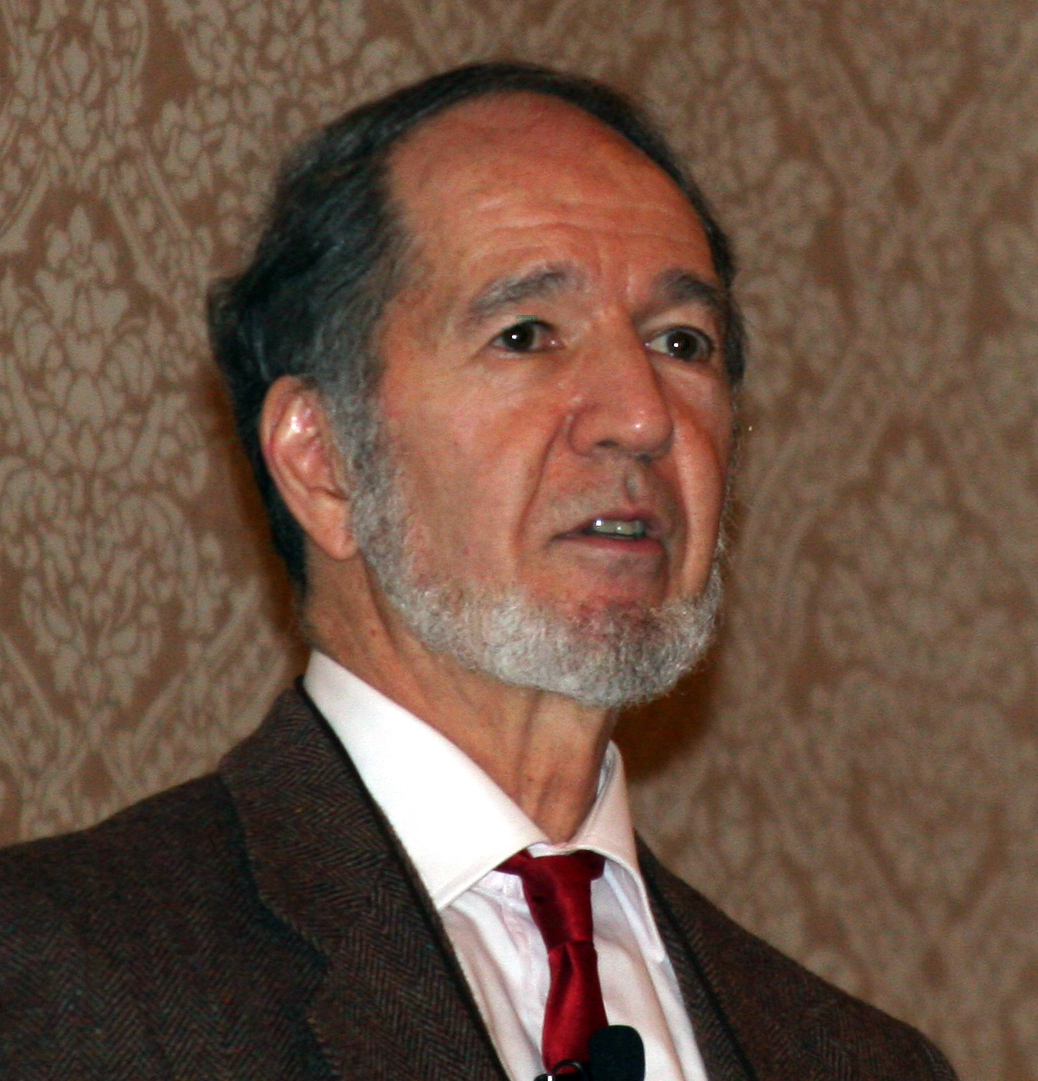
Jared Diamond's 2005 bestseller Collapse names five recurring factors behind societal failure: environmental damage, such as deforestation, soil erosion and water depletion; climate change; hostile neighbors; the loss of friendly trade partners a society had grown dependent on; and, last, the society's own response, whether it managed to recognize its predicament and adapt to it. Diamond is careful, and we will be careful for him. Not every factor appears in every case, sometimes one is decisive and sometimes several converge, and the framework is qualitative, a checklist of pressures, not a counted breakdown with percentages attached. The one factor Diamond treats as decisive in essentially every case is the last one, the response, because it is the only one a society actually controls.
05Theory Four: Spengler, Toynbee, And Civilizations As Organisms
Long before Tainter and Turchin ran their numbers, two writers tried to see the whole shape of history at once. Oswald Spengler's The Decline of the West, published between 1918 and 1922, treated each civilization as an organism with a lifespan of roughly a thousand years, born, maturing, aging and dying, and he named eight such high cultures, from the Egyptian and Babylonian to the Western Faustian one he believed was already in its winter. Arnold Toynbee's twelve-volume A Study of History, written between 1934 and 1961, offered a mechanism instead of a metaphor: civilizations rise when a creative minority answers the challenges history throws at them, and fall when those elites curdle into a merely dominant minority that rules by force because it can no longer lead by example. Toynbee counted twenty-one such civilizations, later revised to twenty-three, that had run the full arc.
Modern scholarship treats both men with the same mix of respect and doubt. Their frameworks are grand theory: sweeping, suggestive, and essentially unfalsifiable, organism metaphors and challenge-and-response arcs that explain everything after the fact and predict nothing before it. What is worth noticing is the lineage. Turchin's quantitative, data-driven project is commonly read as their modern heir, an attempt to do with real historical statistics what Spengler and Toynbee tried to do with narrative pattern-matching, and to make the pattern earn its keep by risking a prediction.
06Theory Five: Holling And The Adaptive Cycle
The fifth framework comes not from history at all but from ecology. C.S. Holling's adaptive cycle, drawn from decades of ecosystem-management research, describes complex systems, living or human, as turning through four phases. Rapid growth, as a system colonizes new resources. Conservation, as it matures into efficiency but loses flexibility, tightening up. Release, when accumulated rigidity finally gives way in a sudden breakdown. And reorganization, when the chaos resolves into a new structure and the cycle begins again. His concept of panarchy nests these cycles inside one another at every scale, local, regional and global at once, so that a collapse at one level can trigger, or be triggered by, upheavals at another.
The reading the corpus draws from this is worth stating carefully, because it is an interpretation laid over the model rather than a tested result. In panarchy's terms collapse is not a disease but a phase, a necessary clearing that makes renewal possible, and the systems that manage to avoid ever collapsing tend to grow steadily more rigid until they shatter all at once when a shock finally comes, a connection the corpus draws to Nassim Taleb's idea of antifragility. It is an elegant thought. It is also the softest, most speculative link in the whole framework chapter, and it should be held as a lens, not a law.
07The Turn: Is Collapse Even The Right Word?
Here the story doubles back on itself, because over the past fifteen years a serious body of scholarship has questioned the entire frame. Patricia McAnany and Norman Yoffee, editing Questioning Collapse in 2010, argued that most societies we describe as having collapsed actually transformed and reorganized: populations moved, political structures changed, but cultural continuity often survived. Their own example is one we have already used. The Maya collapse emptied the lowland cities, yes, but highland Maya communities went on thriving, and millions of Maya people are alive today. Something ended. A people did not.
Guy Middleton, in Understanding Collapse in 2017, aimed straight at the two most popular theories in this article. Both Tainter's complexity-cost model and Diamond's environmental determinism, he argued, are reductionist: real civilizational transitions are unique, historically specific tangles of political, economic, environmental and social factors that resist being flattened into any universal law of collapse. The pattern, in this view, is real, but the search for the one master mechanism is a mistake.
And this was not a one-off argument. In 2024 Middleton published a follow-up review in the Journal of Archaeological Research, surveying how the field itself changed across the previous decade, and his conclusion is worth quoting: environmental determinism and apocalyptic narratives have become less acceptable, and collapsology has matured into a more nuanced, self-critical and sophisticated field, with collapse, resilience, fragility and vulnerability increasingly studied for their bearing on present-day sustainability and climate. The same case studies keep recurring in that literature, the Roman Empire, the Classic Maya, Rapa Nui, the Bronze Age eastern Mediterranean, several of which this very article independently chose. The turn away from tidy catastrophe is not a fashion. It is where the evidence has been pushing the whole discipline.
David Hackett Fischer, in The Great Wave in 1996, granted that real price cycles run through history but pressed the hardest question at the pattern-hunters. Frameworks like Turchin's secular cycles or Spengler's organism arcs tend to impose their shape retrospectively, explaining what already happened without ever generating a genuinely falsifiable prediction of what will. It is exactly the charge Turchin's 2010 Nature forecast was built to answer, which is why that dated, checkable prediction matters as much as it does.
James C. Scott, in Against the Grain in 2017, went after the other end of the story, the rise. Early states, in his account, were fragile and coercive things that many of the people living near them actively fled or resisted, and to read a state's later dissolution as collapse may smuggle in a pro-state bias baked into the question itself. If the state was a cage, its breaking is not obviously a tragedy. It depends on who you were standing with when the walls came down.
Ian Morris, in Why the West Rules For Now in 2010, added a warning about the record itself. Monuments and written archives survive disproportionately for large, complex states, which quietly tricks us into imagining that complex state-level society was the historical norm. It was not. The great majority of human societies across history were non-state, and their own long persistence, adaptation and slow transformation leave almost no trace in the monumental, textual record that nearly every collapse narrative is built from. We may be studying the exceptions and calling them the rule.
08The Speculative Edge: Filters, Cycles, And Lost Worlds
If collapse really is close to universal for complex societies, the thought naturally jumps to a much larger stage. Some have wondered whether it bears on the Fermi Paradox, the strange silence of a galaxy that should be full of voices, as a candidate Great Filter: perhaps technological civilizations reliably wreck their own environment before they can leave their planet, or build machines that destroy them, or fall into war before they go multi-planetary, or simply collapse inward into a comfortable stagnation and never reach for the stars at all. This is pure extrapolation with no evidence on either side, and the corpus says so. It is here because it is the question the whole subject eventually provokes, not because anyone can answer it.
There is also something striking in how many separate traditions expected this. The Hindu Yuga cycle has civilization degrading through four ages, from a golden Satya to a broken Kali, before the wheel resets. Hopi prophecy places us in a Fourth World, the previous three destroyed in turn by fire, ice and flood. The Aztec Five Suns tradition has each prior cosmic age ending in catastrophe before the next began. These are not historical or astronomical evidence of any particular past event, and we are not offering them as such. They are something subtler: a shared human intuition, encoded independently across cultures, that no age lasts forever and that collapse is written into the structure of time itself.
One more idea lives at this edge, and it demands a clean distinction the popular versions almost never make. Graham Hancock has long argued that a globally connected, technologically sophisticated civilization existed before the Younger Dryas, some twelve thousand eight hundred years ago, and was erased by a cataclysm. Most professional archaeologists reject that specific claim. Keep it strictly apart from a real and solid finding it likes to lean on. Gobekli Tepe genuinely did push the known timeline of monumental architecture back by more than seven thousand years, which is astonishing and well established, and which we cover in full in our companion file on the site. Monumental building is far older than we assumed, and that is Tier 1. A single lost global super-civilization destroyed in a flood is Hancock's own much larger claim, and it is not, and the two should never be melted into one sentence.
09What The Evidence Actually Rules Out
First, the oldest story of all. Edward Gibbon, writing in the 1770s and 1780s, blamed Rome's decline substantially on Christianity and a loss of civic virtue, and the idea that great nations fall because their people go soft has never left popular culture. Modern scholarship rejects it as eighteenth-century moralizing rather than analysis. Collapse, in the current consensus, is structural, environmental and economic, not a referendum on anyone's character. There is one narrow, honest caveat: Turchin's measurable variable for declining social cohesion is, in a far more limited and quantified sense, a faint modern echo of part of that old intuition. But it is a measured social dynamic, not a sermon, and it is not Gibbon's claim.
Second, the claim that some past civilization wielded technology beyond our own. It is unsubstantiated. Ancient engineering is genuinely awe-inspiring and a few specific techniques remain imperfectly understood, but nothing in the record supports the idea that any past society could do what modern civilization cannot. Gobekli Tepe, invoked constantly in this context, is extraordinary for its age. It is not evidence of high technology, and being sophisticated for the tenth millennium BCE is not the same as being advanced beyond the twenty-first century CE.
Third, the comforting notion that a society can avoid collapse just by choosing to, by being aware of the pattern. This is misleading. Awareness helps at the margins, but the forces these frameworks describe, diminishing returns on complexity, environmental degradation, elite overproduction, operate at a scale beyond what any individual, and beyond what most governments acting alone, can actually steer. Real prevention, the corpus says honestly, would take structural change at the level of the whole system, not merely a clearer view of the cliff. Seeing the edge is not the same as being able to stop the car.
10The Pattern, Honestly Stated
So step back and look at all of it at once, every framework and every case. What actually recurs, across Akkad and Egypt and the Indus, across Rome and the Maya and Norse Greenland and Rapa Nui and Angkor, is not moral failure and not one clean decisive cause. It is a complex, tightly interdependent system meeting either an outside shock, drought, invasion, plague, a shifted climate, or its own inward cost curve, diminishing returns on complexity, elites multiplying faster than the positions to hold them, and finding it has no slack, no flexibility, no reserve left to absorb the hit. That is the honest common thread. And the genuinely new move in the scholarship of the last fifteen years, confirmed by Middleton's own 2024 review, is not to deny that thread but to challenge the word we wrap around it. Collapse sounds like an ending. The record usually shows something else: transformation, dispersal, and stubborn regional continuity, a world remade far more often than a world simply gone.
Fast Facts
- The Question
- Is there a single hidden law behind why every complex society eventually falls, and after two centuries of searching the honest answer is not yet
- The Case Files
- Eight fallen worlds on four continents across four thousand years, from Akkad and Old Kingdom Egypt to the Classic Maya and the Khmer city of Angkor
- Five Theories, No Winner
- Tainter's complexity costs, Turchin's cliodynamics, Diamond's five factors, Spengler and Toynbee's organism arcs, and Holling's adaptive cycle, all still contested
- The Firmest Fact
- Several collapses are anchored by independent primary science: the 4.2-kiloyear drought at Akkad, Maya cave-rainfall records, Indus monsoon decline, and Angkor's tree-ring hydroclimate
- The Real Prediction
- Turchin's 2010 Nature forecast of a decade of rising Western instability is a genuine dated, checkable call, and his own 2020 audit reports it broadly held
- The Live Dispute
- Rapa Nui remains an open fight: human ecocide (Diamond) versus rats and post-contact catastrophe (Hunt and Lipo), unresolved
- The Big Turn
- A growing body of scholarship argues collapse is the wrong word for what usually happened: transformation and dispersal, not disappearance
- The Verdict
- The pattern is real, the single mechanism is not agreed, and the tidiest word for it may be the least accurate
What We Can Actually Stand Behind
That specific complex societies have repeatedly grown, overextended, and then either collapsed or transformed is not seriously in dispute, and several of the individual cases are anchored by independent primary science anyone can check: the abrupt 4.2-kiloyear drought behind Akkad in Weiss and colleagues' Tell Leilan sediments, the Maya rainfall record in the Yok Balum stalagmite, the Indus monsoon decline in Giosan and colleagues' river cores, and the two Angkor mega-droughts in Buckley and colleagues' Vietnamese tree rings. The wreckage is real, and it is dated.
Which theory best explains the wreckage is genuinely, actively contested, and we crown no winner. Tainter's diminishing returns on complexity, Turchin's structural-demographic cycles, Diamond's five factors, Spengler and Toynbee's organism arcs, and Holling's adaptive cycle are all live, all illuminating, and none proven to be the master key. Turchin's 2010 forecast is the strongest single thing any of them has produced, a dated prediction that his own 2020 audit reports broadly held, and it earns real credit read with the caution that a theorist grading his own paper deserves. And the fifteen-year scholarly turn against the very word collapse, toward transformation and continuity, is itself credible, current, and gathering force.
Beyond the evidence sit the genuinely speculative extensions, worth raising and worth labeling clearly as such: collapse as a candidate Great Filter behind the silence of the galaxy, the cyclical collapse-and-renewal myths encoded independently across Hindu, Hopi and Aztec tradition, the reading of collapse itself as a necessary phase of renewal, and Hancock's lost pre-Younger-Dryas civilization. None of these has direct supporting evidence, and the real Gobekli Tepe dating fact must never be folded into the last of them.
And some things should be said flatly. No, Rome did not fall because its people lost their virtue or found their religion; the moral-decline story is eighteenth-century sermonizing, not analysis. No, no past civilization possessed technology beyond our own; ancient engineering is magnificent and it is still not magic. And no, a society cannot simply choose not to collapse by being aware of the risk; the forces in play run at a scale no single actor steers, and clear sight of the cliff is not the same as a hand on the wheel.
So are we next? The article that promised to explain why every civilization falls has to end by admitting the question is subtly wrong on two counts. There may be no single why: five serious frameworks have hunted the one mechanism for two hundred years and none has closed the case. And there may be no clean fall: the record keeps showing transformation where the story wants an ending. What the eight case files do agree on is quieter, and more unsettling, than any law. Every one of these worlds believed it was permanent, and every one met a shock or a cost it had left itself no room to absorb. Our own civilization is the most complex, most interconnected, most resource-hungry arrangement any species has ever built. That is either our best protection against the next shock, or precisely the thing that will carry it everywhere at once. The theories cannot yet tell us which. The only honest question to end on is the one Tainter leaves hanging: how much slack have we actually left ourselves, and would we recognize the moment we ran out?
Sources & further reading
Everything above is drawn from our research library on Theories of Anything, which is where we worked from. The papers, reports and primary records listed beneath them are where you can check us independently.
Image credits
- The Roman Forum, Ancient Rome photograph by Kimberlym21 via Wikimedia Commons. CC BY-SA 4.0 Source.
- The Victory Stele of Naram-Sin, Louvre Museum photograph by Rama via Wikimedia Commons. CC BY-SA 3.0 Source.
- Excavated Ruins of Mohenjo-daro photograph by Saqib Qayyum via Wikimedia Commons. CC BY-SA 3.0 Source.
- Temple I, Tikal, Guatemala photograph by Arian Zwegers via Wikimedia Commons. CC BY 2.0 Source.
- Ahu Tongariki, Rapa Nui (Easter Island) photograph by Bradenfox via Wikimedia Commons. CC BY 3.0 Source.
- Angkor Wat, Cambodia photograph by Bjørn Christian Tørrissen via Wikimedia Commons. CC BY-SA 4.0 Source.
- Portrait of Peter Turchin photograph via Wikimedia Commons. CC BY 4.0 Source.
- Portrait of Jared Diamond photograph by Aude via Wikimedia Commons. CC BY-SA 2.5 Source.
- Card crop of The Roman Forum, Ancient Rome photograph by Kimberlym21 via Wikimedia Commons. CC BY-SA 4.0 Source.


.jpg)
.JPG)


