Nephilim: The Giants
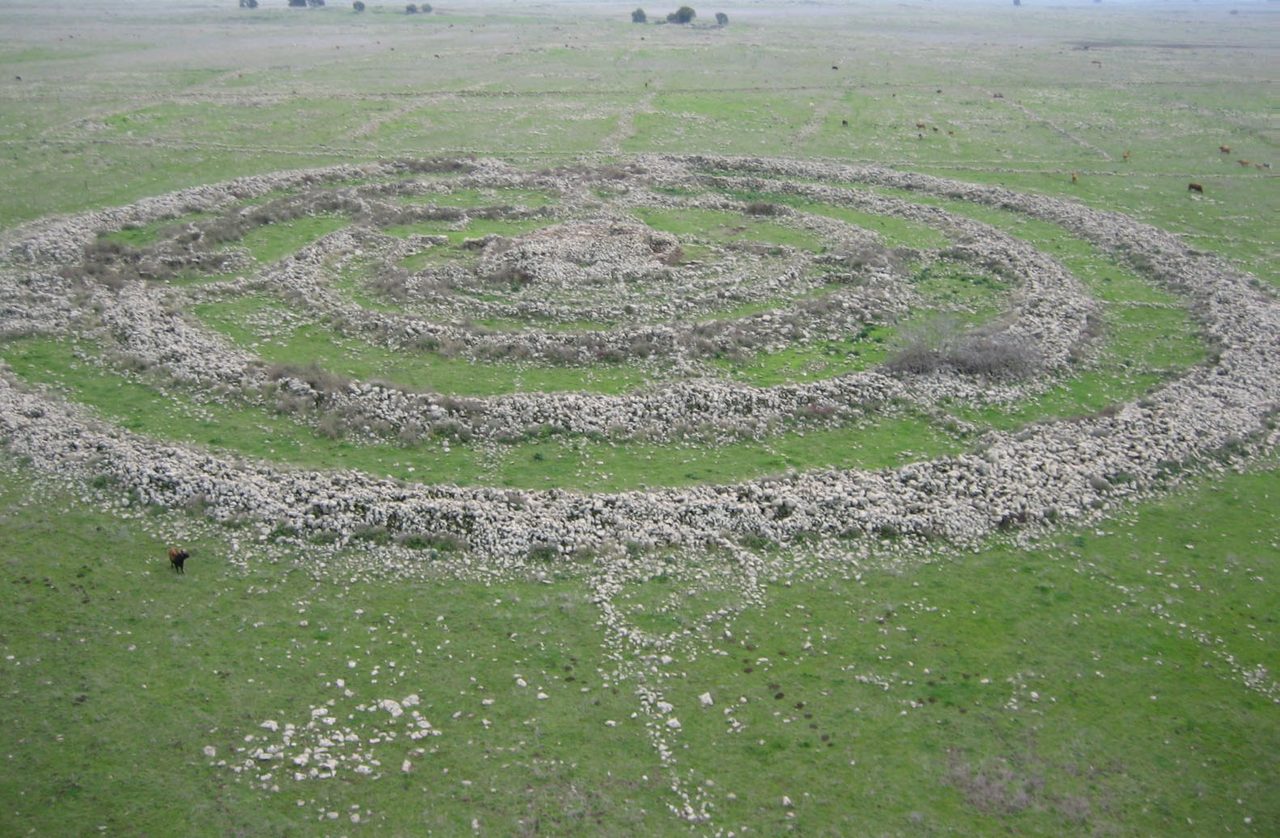
The word Nephilim appears exactly twice in the entire Hebrew Bible. Four spare verses in Genesis, one panicked sentence from a scouting party in Numbers, and that is the whole canonical file. Everything else you have ever heard about them, the enormous bodies, the fallen angels, the skeletons somebody is supposedly hiding, was built on top of those two appearances by other people in other centuries. This is the file on the giants, opened one text at a time, every claim wearing its evidence.
Ask anyone what the Nephilim were and the answer arrives with a great deal of detail attached. Fallen angels came down, took human wives, and fathered a race of giants who had to be drowned off the earth. Some versions add a height. Some add the skeletons, and the institution that is supposedly hiding them. Here is the part that gets left out of every retelling: the word Nephilim appears exactly twice in the entire Hebrew Bible, and the passage everybody is quoting runs four verses.
One thing before we open the file, and it matters more than anything else on this page. Genesis and the Book of Enoch are not artifacts, and their standings are not the same. Genesis is canonical scripture in Judaism and across Christianity, read this morning by billions of people in a dozen languages on every continent, and Islam names the Torah it opens among the books God revealed. 1 Enoch is different, and the difference is worth stating exactly: it is canonical scripture in the Ethiopian Orthodox Tewahedo and Eritrean Orthodox churches, tens of millions of people, and it is not canon in Judaism, in most of Christianity, or in Islam. Both are read as living text by living communities. Inside those traditions the b'nei ha'Elohim, the 'sons of God' of Genesis 6, have been argued over for two thousand years, and the readings on the table are divine beings, the godly line of Seth, and human rulers. Not one of them is extraterrestrial. Reading the Nephilim as literal alien hybrids is a modern overlay, carried to the text by twentieth and twenty-first century ancient-astronaut writers. It is not what Genesis says, it is not what 1 Enoch says, and it is not what any interpretive tradition that grew out of them says. What follows tests the modern claims made about these texts. It does not test the scripture.
With that on the table, the file runs in three acts: what the Bible itself actually says, how the tradition grew after it, and what happened when people started claiming to have dug the giants up.
01The Word That Appears Twice
Here is the passage, Genesis 6:1-4, in full. 'When human beings began to increase in number on the earth and daughters were born to them, the sons of God (b'nei ha'Elohim) saw that the daughters of humans were beautiful, and they married any of them they chose... The Nephilim were on the earth in those days, and also afterward, when the sons of God went to the daughters of humans and had children by them. They were the heroes of old, men of renown.' That is the founding text of the biblical giant tradition, and now read what it does not say. It never states that the Nephilim are the offspring; it says they were on the earth in those days, when the unions happened. It never identifies the sons of God as angels. The children it does describe are called gibborim, 'mighty ones,' and anshei ha'shem, 'men of renown.' And the whole passage sits immediately before the Flood narrative, implying a causal connection without ever once stating one.
| Passage | What it says | Who is speaking |
|---|---|---|
| Genesis 6:4 | 'The Nephilim were on the earth in those days, and also afterward' | The narrator, in four verses set immediately before the Flood |
| Numbers 13:33 | 'We saw the Nephilim there... we seemed like grasshoppers in our own eyes' | Scouts reporting back, arguing against an invasion |
The second and final appearance is Numbers 13:33, and it is not a narrator speaking. It is a field report. 'We saw the Nephilim there (the descendants of Anak come from the Nephilim). We seemed like grasshoppers in our own eyes, and we looked the same to them.' Our file flags the thing everybody skips past: the text frames this as a report by frightened scouts trying to talk their own people out of going in, which makes the size claim a candidate for deliberate exaggeration by the men delivering it. The phrase 'descendants of Anak,' b'nei Anak, is what ties the Nephilim to the Anakim clan and sends the whole tradition onward into Deuteronomy.
Two appearances. One narrative aside, one piece of testimony from witnesses the text itself presents as terrified. That is the entire canonical foundation.
02The Clans Deuteronomy Names
The word Nephilim may appear twice, but oversized populations are all over the Hebrew Bible under other names, and Deuteronomy 2 and 3 reads almost like a gazetteer of them. The Emim, 'terrifying ones,' formerly in Moab. The Zamzummim, also called Zuzim, displaced by the Ammonites. Both are described in the same formula: 'great and many, and tall as the Anakim.' The Anakim themselves, descended from Anak, centered around Hebron. The Rephaim, a broader designation that may mean 'shades' or 'healers' and that the text uses both as a clan name and as a word for the dead in Sheol. And Og of Bashan, named as the last of the Rephaim, whose iron bedstead measured nine cubits by four, roughly 13.5 by 6 feet, and was on display in Rabbah of the Ammonites.
| The name | Where they are placed | What Deuteronomy says about them | Reference |
|---|---|---|---|
| Emim, 'terrifying ones' | Formerly in Moab | 'Great and many, and tall as the Anakim' | Deut 2:10-11 |
| Zamzummim, also Zuzim | Displaced by the Ammonites | 'Great and many, and tall as the Anakim' | Deut 2:20-21 |
| Anakim | Centered around Hebron, descended from Anak | The clan the scouts of Numbers 13 name by name | Deut 2:10-11, 9:2 |
| Rephaim | The broader Transjordan designation | A clan name, and also a term for the dead in Sheol; possibly 'shades' or 'healers' | Deut 2:11, 2:20, 3:11 |
| Og of Bashan | Bashan; his bed displayed at Rabbah of the Ammonites | Last of the Rephaim; an iron bedstead of nine cubits by four, roughly 13.5 by 6 feet | Deut 3:11 |
Look carefully at what the Og verse is measuring. Not a body. A bed frame, on public display in a named city, with dimensions attached. It is the closest thing in the passage to an exhibit label, and the exhibit is furniture.
03Goliath, Measured Four Ways
Goliath is not alone either. 2 Samuel 21:15-22 and its parallel at 1 Chronicles 20:4-8 list four Philistine warriors at Gath described as 'born to the giant,' ha-rapha. There is Ishbi-benob, whose bronze spearhead weighed three hundred shekels. There is Saph, also called Sippai. There is the brother of Goliath, named Lahmi in Chronicles, whose spear shaft was 'like a weaver's beam.' And there is an unnamed fourth with six fingers on each hand and six toes on each foot, which is polydactyly, a real and recurring human condition rather than a mythological flourish.
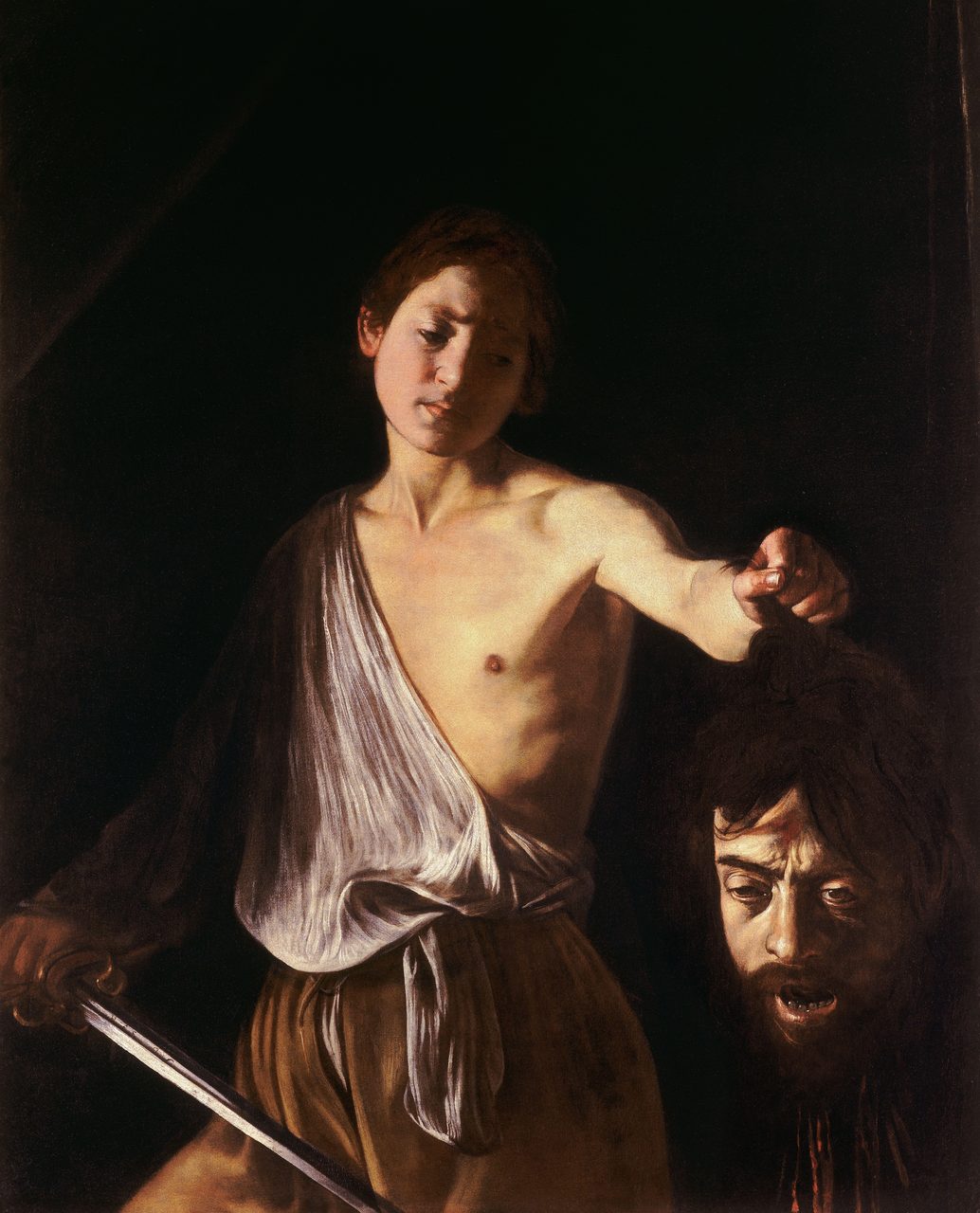
And then the detail that ought to be far better known than it is. Goliath's height in 1 Samuel 17 carries a genuine textual variant, not a scribal quibble. The Masoretic Text gives 'six cubits and a span,' roughly 9 feet 9 inches. But the Septuagint, the Dead Sea Scroll fragment 4QSam-a, and Josephus all independently read 'four cubits and a span,' roughly 6 feet 9 inches: tall, and still inside the human range. Our file's own assessment is that the older manuscript traditions carry the smaller and more plausible figure.
Three witnesses against one, and the three are the older ones. The most famous giant in scripture may be a man who could play professional basketball.
| Witness | What it reads | Roughly |
|---|---|---|
| Masoretic Text | 'Six cubits and a span' | 9 feet 9 inches |
| Septuagint | 'Four cubits and a span' | 6 feet 9 inches |
| 4QSam-a, from the Dead Sea Scrolls | 'Four cubits and a span' | 6 feet 9 inches |
| Josephus | 'Four cubits and a span' | 6 feet 9 inches |
04Fallen, Or Falling On You
Nobody is certain what the word means. The Hebrew root n-p-l means 'to fall,' and the scholarly argument is about which morphological form the term takes. 'Fallen ones,' passive, which lines up neatly with the later angel interpretation. 'Those who cause to fall,' active and causative, which would make them violent men who fell upon others. Or a word with no relation to n-p-l at all, with some scholars reaching instead for Aramaic or Akkadian roots. Ronald S. Hendel, who has published extensively on exactly this, argues that the term was already archaic and opaque to the Bible's own authors. The people who wrote it down may not have known what it meant either.
Then comes the translation that changed everything. When the Septuagint was produced in the third and second centuries BCE, its translators rendered Nephilim into Greek as gigantes. That word is where our word 'giant' comes from, and in classical Greek it does not mean 'enormous.' It is built from ge, earth, plus gignomai, to be born: earth-born. The emphasis in the Greek Gigantes myth was on chthonic origin, on coming up out of the ground, not on size. The association with enormous stature developed later, through conflation with the Titans and other oversized mythological beings. The most famous physical attribute of the Nephilim entered the tradition through a translator's word choice.
05What Happened To The Giants In Enoch
The elaborate version, the one everyone actually knows, is not in the Bible at all. It is in 1 Enoch, and this wing already carries the full file on that book at The Book of Enoch and the Watchers: the descent, the individual Watchers and what each of them taught, and the long history of the book's exclusion from canon. All of that lives there. What belongs here is narrower and stranger: what 1 Enoch says happened to the giants.
In 1 Enoch 6-16, after the Watchers take human wives, the offspring grow to 300 cubits. They consume all human provisions, and when the provisions run out they turn on humans themselves. Then they sin against birds, beasts, reptiles and fish by consuming blood, until, in the text's own image, 'the earth cries out against them.' Divine judgment follows, and the Flood. And here is the Enochic detail that no other giant tradition supplies: when the giants die, their spirits do not. They become the evil spirits that roam the earth. An entire demonology, built directly into the text as an origin story, and the demons are the ghosts of the giants.
06The Giants Got A Book Of Their Own
| The fragment | What is in it |
|---|---|
| 4Q530 (4QBook of Giants-a) | The dreams of the giant Hahyah, and the name Gilgamesh |
| 4Q531 (4QBook of Giants-b) | Additional narrative material |
| 4Q532 (4QBook of Giants-c) | Further narrative material |
| 6Q8 | A fragment recovered from Cave 6 |
This is the part of the story most people have never heard. There was a whole separate book about the giants, and pieces of it are real, physical, dated manuscripts. The Qumran Book of Giants fragments date to the second and first centuries BCE. 4Q530 carries the dreams of the giant Hahyah. 4Q531 and 4Q532 carry further narrative. 6Q8 came out of Cave 6. These are not quotations in somebody else's book. They are the surviving scraps of a lost giant epic that Second Temple Judaism was actually reading.
And the plot of it is not what you would guess. It is not a story about humans fighting giants. It is a story told largely from the giants' own side, and it is about their dread.
Two giants stand at the center: Ohyah and Hahyah, sons of Shemihazah. Hahyah starts having dreams, and the dreams are bad. One of them shows a tablet submerged in water, which is the Flood arriving in advance, in symbol. Unable to read their own omens, the giants send a messenger named Mahaway to find Enoch and have him interpret. Enoch's answer is that the dreams mean exactly what they look like: destruction, for the giants and for their fathers. And there is one more name in the fragments. Gilgamesh appears by name in 4Q530, standing inside a Jewish text about the descendants of the Watchers, a reading confirmed by Jozef T. Milik and carried forward by Loren Stuckenbruck and John C. Reeves.
What that Gilgamesh reading means is where our file steps down a tier, and rightly. The implication scholars draw is substantial: direct Babylonian literary influence on Second Temple Jewish tradition, with Jewish scribes consciously importing a foreign mythological hero into their own theological narrative. That is a strong claim about cultural transmission, and it is genuinely debated. Conscious literary borrowing, a shared Semitic tradition both cultures inherited, or parallel development that produced the same name by other means: our file lists all three and does not settle between them.
The book then does something almost nothing from Qumran does. It keeps travelling. In the third century CE, Mani adopted and adapted the Book of Giants into Manichaean scripture, and fragments survive in Middle Persian, Sogdian, Uighur and Coptic. The names change as it moves: Ohyah becomes Sam, Hahyah becomes Narnman, both borrowed from Iranian epic heroes, and the narrative is refitted to Manichaean dualist cosmology. But the core survives intact: gigantic offspring, prophetic dreams, cosmic judgment. A giant story written near the Dead Sea was still being copied, in four more languages, all the way into Central Asia.
07Three Hundred Cubits
So how tall is a giant? 1 Enoch 7:2 in the Ethiopic text says 300 cubits, which works out to roughly 450 feet. The Greek fragments do not agree; they give an even larger figure, 3,000 ells. And some Aramaic fragments are damaged at exactly this point, which is the kind of luck this material tends to have. Our file lays out four interpretive options and refuses to pick one, and its bottom line is the important sentence: no serious scholar takes the figure literally. The number is doing a job in the text, and the job is to convey otherworldly excess.
| The option | What it argues |
|---|---|
| Scribal corruption | Numbers were frequently garbled in manuscript transmission, and this one disagrees across versions |
| Deliberate hyperbole | An ancient literary convention for 'incomprehensibly large,' not a measurement |
| Symbolic numerology | 300 may carry the significance it carries elsewhere, as with Gideon's 300 warriors or Samson's 300 foxes |
| Misunderstood measurement | The cubit in use may differ from the standard one, or the figure may record cumulative consumption rather than height |
08Who Were The Sons Of God
Everything in this file eventually runs back into one unresolved phrase. Four Hebrew words in Genesis 6, and two thousand years of argument about what they denote.
Our file carries three competing interpretations of the b'nei ha'Elohim, and carries all three at the same tier, because all three are held by serious readers and all three have a real problem in them. This is not a case where one reading has quietly won and the others are folklore. It is a case where the evidence genuinely underdetermines the answer, and where the answer has enormous theological weight for the traditions that own the text. We are going to lay out all three, name each one's difficulty, and crown nobody.
| The reading | Where it comes from | What supports it | The problem with it |
|---|---|---|---|
| Divine beings, or angels | The oldest attested reading: 1 Enoch, Jubilees, the Qumran texts, the Septuagint | Job 1:6, 2:1 and 38:7 use the same phrase where it clearly denotes heavenly beings; held by Philo of Alexandria, Josephus (Antiquities 1.3.1) and Justin Martyr | Matthew 22:30, 'angels neither marry nor are given in marriage,' though that may describe faithful angels rather than rebellious ones |
| The Sethite line | Proposed by Julius Africanus, roughly 160 to 240 CE, and championed by Augustine of Hippo | Reads 'sons of God' as the godly line of Seth and 'daughters of men' as the line of Cain, keeping the whole passage human | It does not explain why the offspring would be giants or heroes, and the text never actually calls Seth's descendants 'sons of God' |
| Human rulers and tyrants | Attested in Aramaic Targumim, including Onkelos and Pseudo-Jonathan | Reads the phrase as powerful kings or judges taking women by prerogative; 'Elohim' meaning 'judges' is independently attested at Exodus 21:6 and Psalm 82 | The specific phrase b'nei ha'Elohim is not used for human beings anywhere else in the Hebrew Bible |
Three readings, three genuine difficulties, no winner. Notice also what the whole argument is about. Every one of these positions is a claim about a Jewish theological cosmology: about angels and their obedience, about righteous and unrighteous human lines, about kings who overreach. This wing carries the formal angelic hierarchies in their own file, Angels and Celestial Hierarchies, and none of that material moves the question here either. Nobody in this two-thousand-year debate is arguing about spacecraft.
09The Giants Nobody Coordinated
Here is where the Nephilim stop being a Middle Eastern problem. Whatever the phrase in Genesis means, the wider shape of the story, oversized beings who precede us and who are overthrown, turns up in tradition after tradition with different names, different gods and different endings.
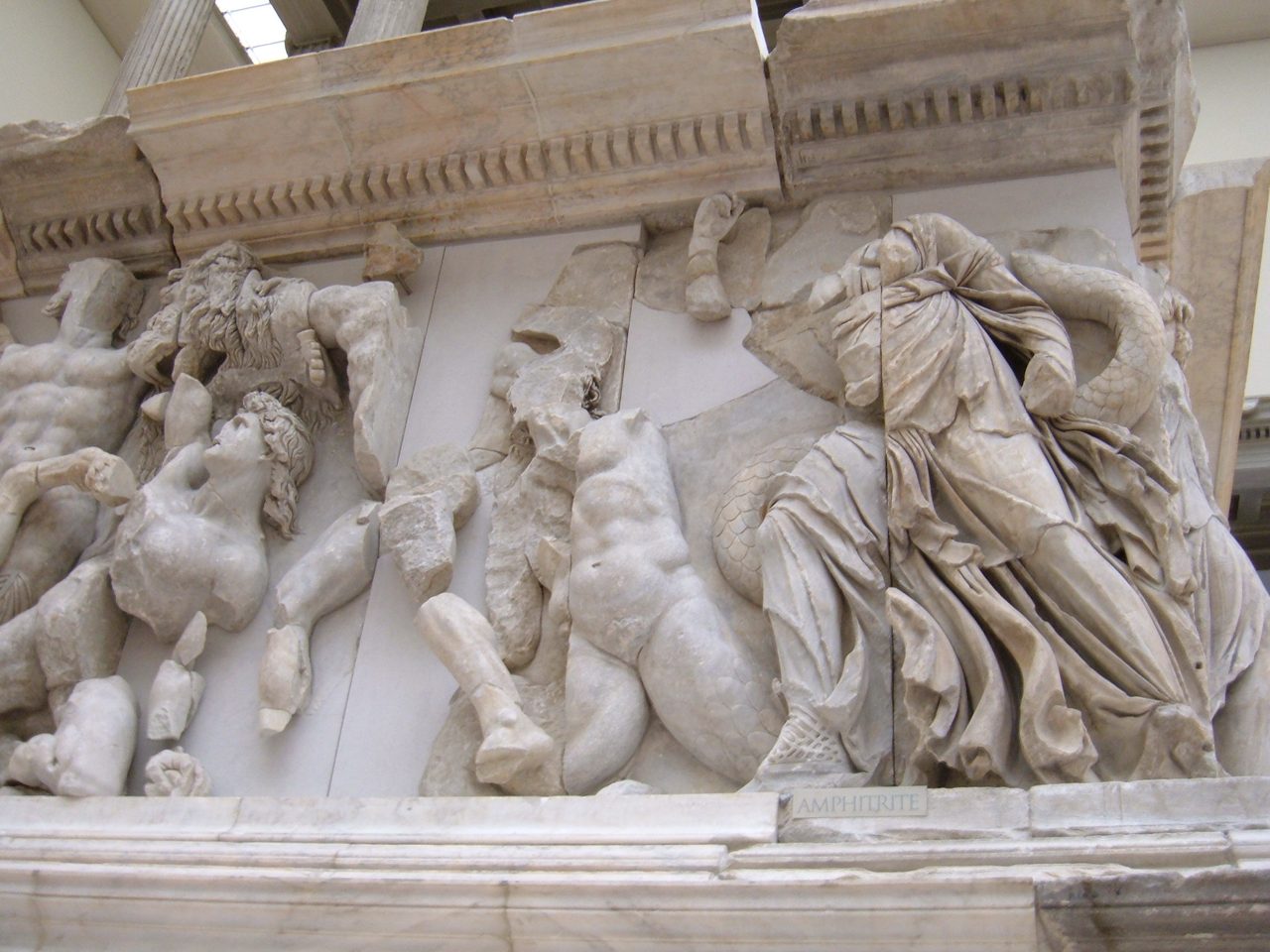
Greek tradition alone runs several distinct classes of giant, and they are not interchangeable. The Titans, elder gods, children of Ouranos and Gaia, overthrown by the Olympians in the Titanomachy. The Gigantes, the earth-born, who warred against the Olympians in the Gigantomachy and were defeated only with the help of Heracles, who is himself a mortal-divine hybrid, which is a detail worth holding. The Cyclopes, one-eyed, with a Hesiodic craftsman tradition and a Homeric pastoralist tradition that do not match. The Aloads, Otus and Ephialtes, sons of Poseidon, who grew nine cubits a year and tried to storm Olympus. And the Laestrygonians, the cannibal giants Odysseus runs into in Book 10 of the Odyssey. Across all of them our file names the same recurring structure: divine-human conflict, hybrid beings, cosmic war, and the overthrow of elder powers.
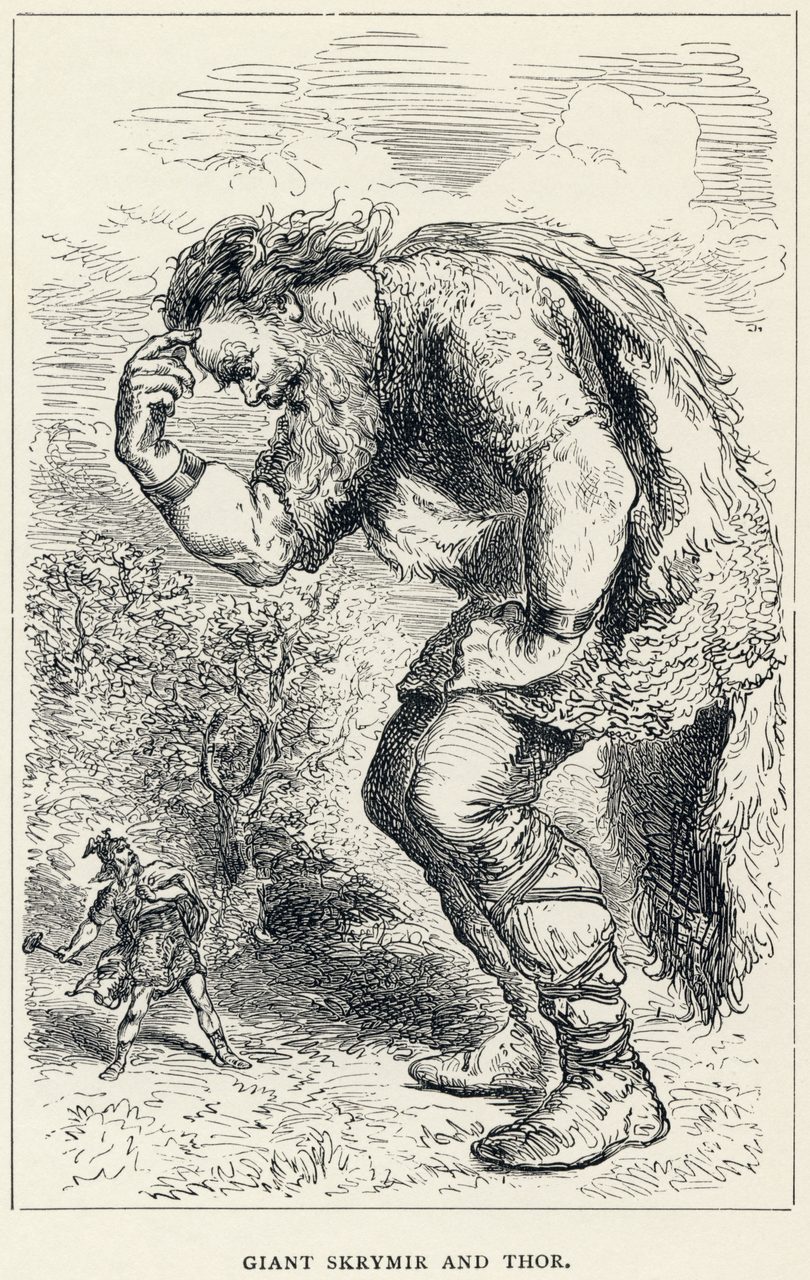
Norse and Germanic tradition goes further than any other: it makes the giants first. The Jotnar are primordial beings who precede the gods, and Ymir, the first of them, is killed so that the world can be built out of his body. Frost giants, the hrimthursar, and fire giants, the eldjotnar, are separate classes. Gods and giants interbreed constantly: Thor's own mother Jorth is a giantess, and Loki is jotunn-born. And at Ragnarok the giants win. They destroy the gods, and the cycle starts again. For scale, our file names Skrymir, the giant so large that Thor spends a night asleep inside his glove.
That is the opposite verdict from Genesis, reached with the same raw material. In the Hebrew text the giants are the aberration and the Flood corrects it. In the Norse text the giants are the original condition and the gods are the interruption.
| Tradition | The beings | What their own texts say |
|---|---|---|
| Irish and Celtic | The Fomorians; Balor of the Evil Eye | A semi-divine race tied to chaos, darkness and the sea, defeated by the Tuatha De Danann at the Second Battle of Mag Tuired. Balor's single eye destroys whatever it looks at. Some Fomorians are monstrous and some are beautiful, so they are not purely giants in stature |
| Hindu and Vedic | Daitya, Danava, Asura, Rakshasas | Sons of Diti and sons of Danu, in eternal conflict with the Devas; Asura was originally a broad term for 'powerful beings' and was demonized later. Rakshasas are shape-shifters of enormous size, such as Kumbhakarna, who sleeps for six months. The Mahabharata describes Bhima as exceptionally large, with the Rakshasa Hidimba towering in the same epic |
| Mesopotamian | Humbaba (Huwawa), Anzu, Gilgamesh | Humbaba guards the Cedar Forest and is enormous, and is killed by Gilgamesh and Enkidu; Anzu is a colossal bird-being who steals the Tablet of Destinies; Gilgamesh himself is two-thirds divine, one-third human, and of extraordinary height, eleven cubits in some texts |
| East Asian | Kuafu, Xingtian, Pangu, the Daidarabotchi | Kuafu chased the sun and died of thirst, his walking stick becoming a forest; Xingtian kept fighting after decapitation; Pangu is a primordial giant whose body formed the world, a structural twin of Ymir; the Japanese Daidarabotchi are colossal figures credited with shaping landscapes |
| Pacific and Oceanic | Turehu and Patupaiarehe; the Menehune | Maori tradition describes tall, pale-skinned beings said to predate human arrival; the Hawaiian Menehune are usually described as small, though some traditions present them instead as a large earlier race; various Polynesian traditions carry giant ancestor-heroes |
| The Americas | The Quinametzin | An Aztec race of giants said to have inhabited the previous world-age and to have been destroyed when that age ended in cataclysm |
10Where A Giant Comes From, If Not From The Sky
Before the theories, here is a case where we can watch the whole process happen in the historical record. In 1520, Magellan's expedition reported encountering giants in Patagonia, the Patagones. The report entered European literature and stayed there. Later expeditions went and looked. The actual people, the Tehuelche, were tall, around six feet, and not gigantic. That is a real, merely tall population being inflated into a race of giants by the first outsiders to write about them, and then the written account outliving the correction by centuries. It is not a hypothesis about how giant traditions form. It is a receipt.
Cognitive anthropology and memory theory take that mechanism and generalize it. The proposal is that giant traditions encode real experiences, distorted in transmission. Large fossil bones, mammoth and dinosaur, dug up by pre-scientific cultures and read as the remains of giant humans, a process Adrienne Mayor documented in Greek and Roman examples in The First Fossil Hunters (2000). Encounters with genuinely exceptional individuals, pituitary gigantism or Marfan syndrome, amplified through oral retelling. Cultural memory of contact with larger-bodied human populations. And underneath all of it, the plain tendency of oral tradition to inflate ancestral figures over time. None of that requires anything to have descended from anywhere. It requires bones, unusual neighbors, and a few centuries of retelling.
11The Denisovan Guess
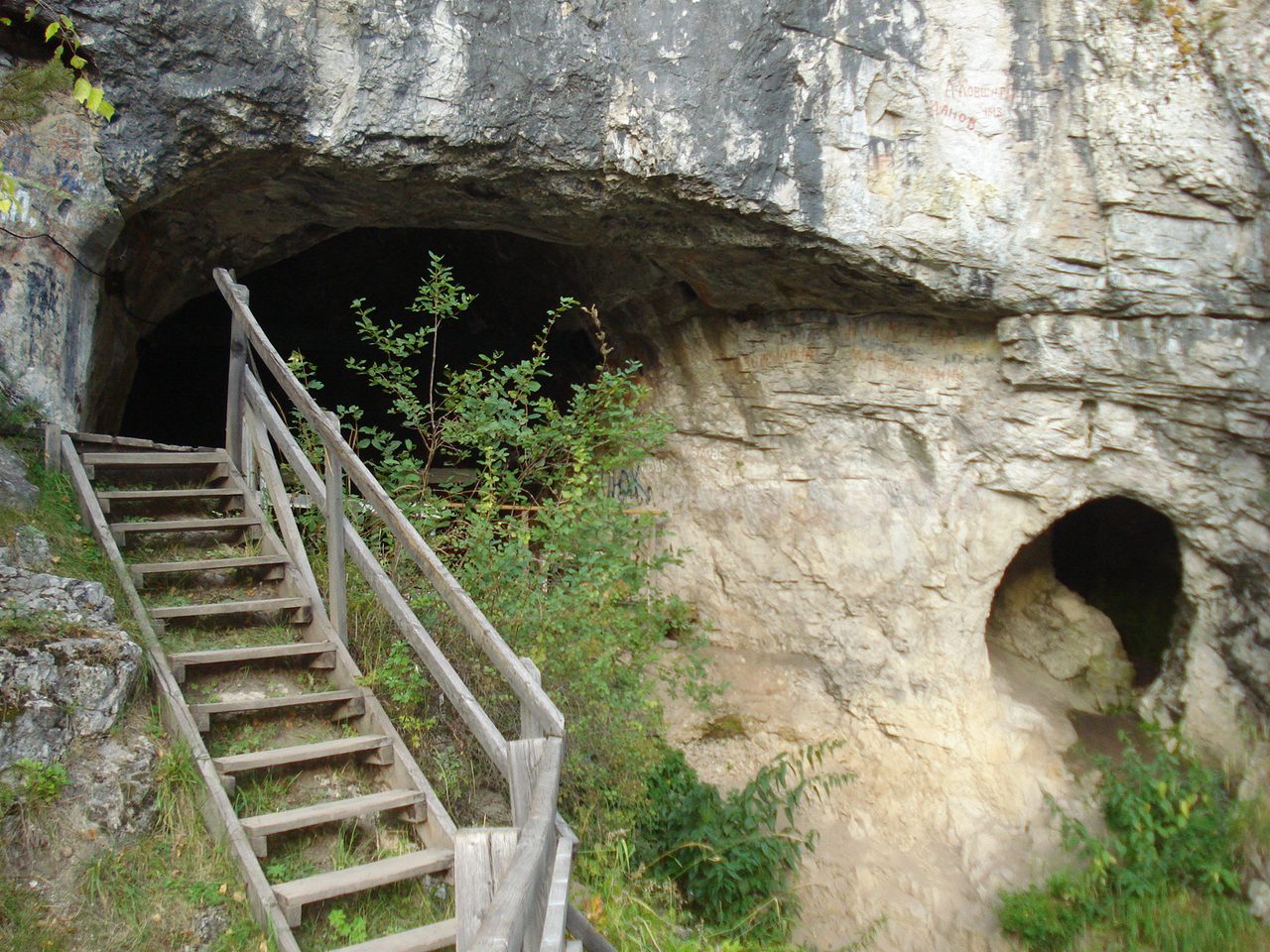
The Denisovans are real and their discovery was genuinely startling. Identified from Denisova Cave in Siberia in 2010, they interbred with Homo sapiens, and modern Melanesian, Australian Aboriginal and some Southeast Asian populations carry 3 to 6 percent Denisovan DNA. The 2019 Xiahe mandible from Tibet, along with limited other skeletal evidence, suggests they may have been robust and possibly larger-framed than modern humans. The speculative leap, which our file labels as one, is the next step: could some regional giant traditions preserve cultural memory of encounters with Denisovans or other large-bodied archaic hominins? The problems are named honestly and they are serious. The evidence for Denisovan body size is extremely limited. Oral traditions spanning tens of thousands of years face severe transmission problems. The hypothesis is not testable with current data. And no mainstream paleoanthropologist has endorsed this specific connection.
12Skulls, Mounds, And A Vault That Is Not There
The elongated skulls of Peru, Malta and Egypt get pulled into this file constantly by alternative researchers as evidence of Nephilim descendants. The mainstream reading is well established and not mysterious: artificial cranial modification, head-binding, is a documented cultural practice across dozens of societies worldwide. On the Paracas skulls specifically, researchers including Brien Foerster argue that some specimens show features inconsistent with deliberate deformation: a single parietal plate, greater cranial volume, a different foramen magnum position. The widely circulated 'unknown DNA' claims came from preliminary laboratory work commissioned outside the academic system and announced through alternative media, with no methods description, no contamination protocol and no published dataset. They are claims, not findings. Peer-reviewed ancient DNA work on the Peruvian south coast does exist and points the ordinary way: Fehren-Schmitz and colleagues analysed mitochondrial DNA from 218 ancient individuals across successive sites in the Palpa region and placed those populations within Native American mitochondrial lineages. That work is about the regional population rather than about the famous skulls specifically, which is worth saying plainly rather than overstating in either direction. What is established is the practice itself: binding an infant's skull is documented on every inhabited continent, and it redistributes vault material rather than adding any, so a measurement taken on a reshaped vault is not straightforwardly comparable to one taken on an unmodified skull. Our file's conclusion on the Nephilim link is flat: speculative, and unsupported by current evidence. The deeper skull material belongs to its own file, not this one.
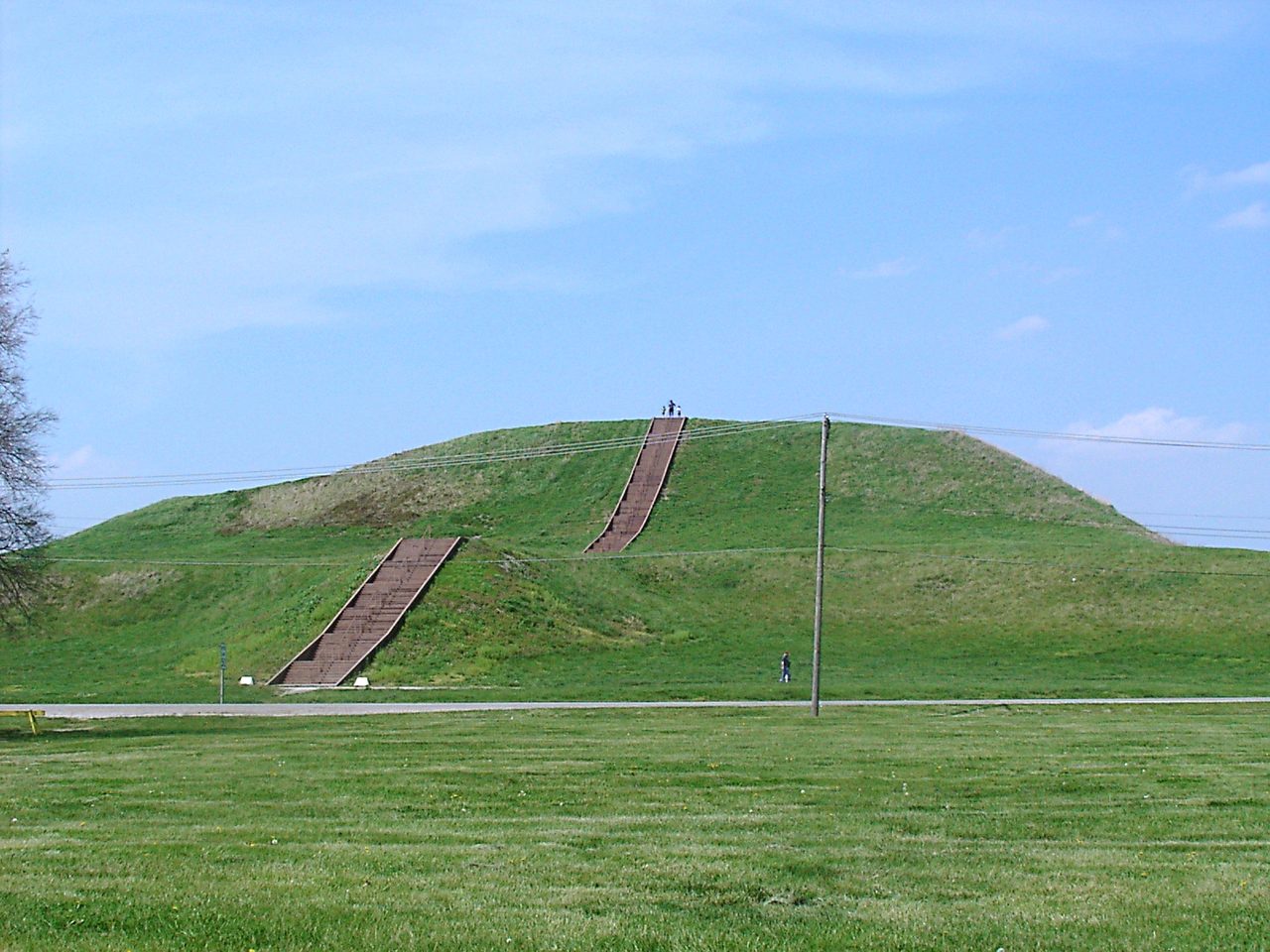
The American giant story has an origin, and it is not a mystery. In the eighteenth and nineteenth centuries, European settlers encountered enormous earthworks across the continent, Cahokia, Serpent Mound and hundreds more, and refused to attribute them to Indigenous peoples. So a separate, more advanced, and frequently giant 'Mound Builder' race was invented to have built them and then conveniently vanished. The myth did work: if the real builders are already gone, displacing the people currently living there costs nothing. Cyrus Thomas's 1894 Bureau of Ethnology report demonstrated conclusively that the earthworks were built by the ancestors of living Native American peoples. Some mound-builder accounts had included claims of giant skeletons found inside the mounds; those reports are poorly documented, and not one has been verified with a surviving specimen. The myth persists in alternative-history circles anyway.
Which brings us to the vault. The claim is that the Smithsonian Institution systematically confiscated and destroyed giant skeletons to protect an orthodox account of human history, and it traces back to those same nineteenth-century newspaper reports of oversized skeletons found across the eastern United States, hundreds of which Jim Vieira and others have compiled. We are keeping this at the tier our file assigned it, Tier 3, rather than hardening it to Tier 4 ourselves, and then letting the file's own assessment speak, because the assessment reads harder than the label. Nineteenth-century newspapers routinely published hoaxes and sensationalized reports with essentially no editorial standards. No giant skeleton has ever been presented for modern scientific examination. The Smithsonian is a vast institution, and a coverup on the claimed scale would require complicity across thousands of people for more than 150 years. And the Abraham Lincoln quote that always travels with the story is a real Lincoln text with its context removed.
13Lovelock Cave, Kandahar, And The Long Lives
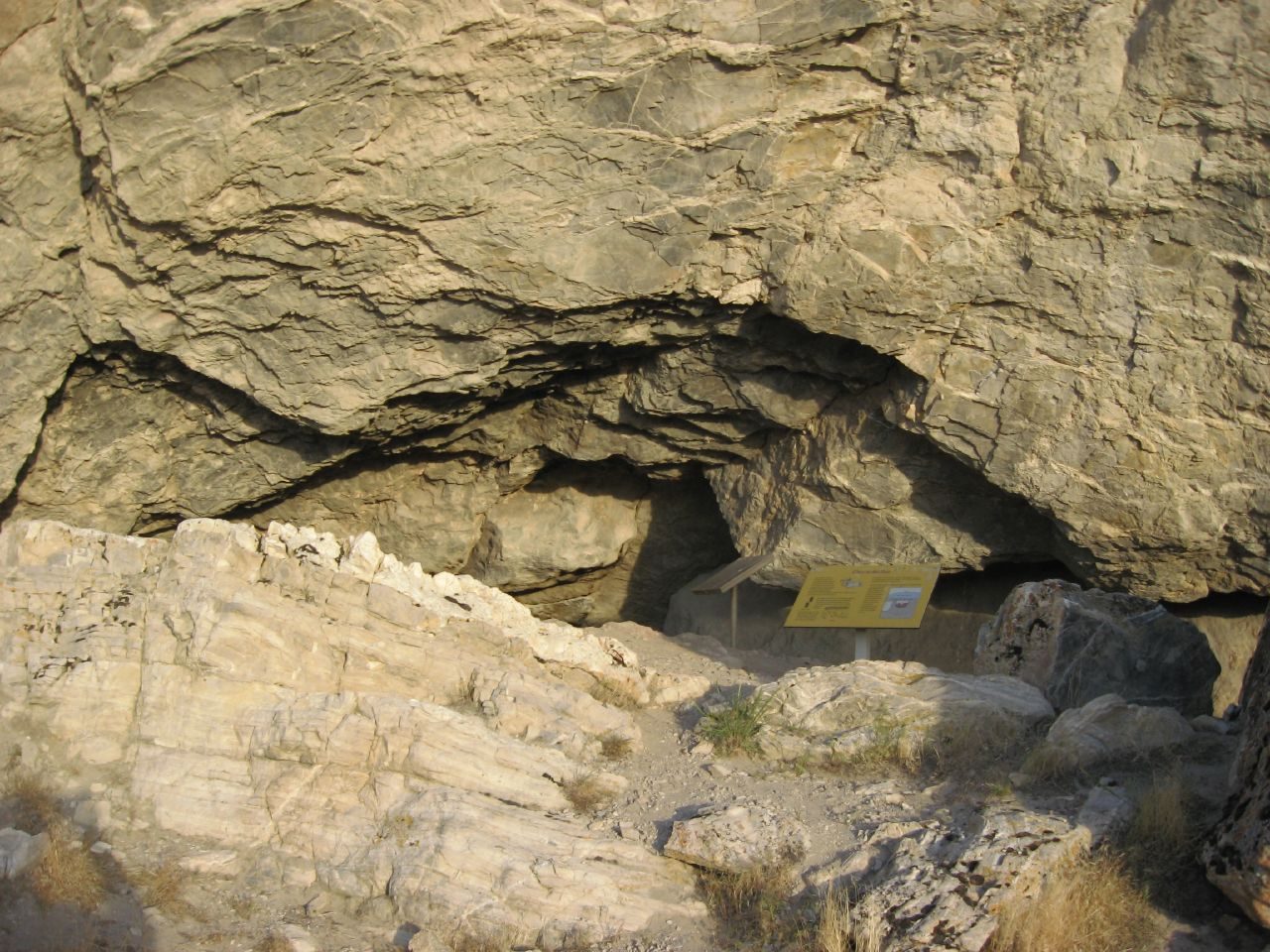
Paiute oral tradition describes the Si-Te-Cah, also given as Sai'i, as a race of red-haired cannibalistic giants the Paiute warred with and finally trapped and burned inside a cave. Lovelock Cave in Nevada was dug out in 1911 to 1912 during guano mining and excavated archaeologically again in 1924, and red-haired mummy fragments and artifacts came out of it. Our file's assessment goes through it point by point. The red hair is most likely post-mortem chemical change, dark hair turning reddish-brown through oxidation and exposure to alkaline soil. The individuals were within normal human height ranges. And the Paiute tradition may well record a real conflict with a rival group, with 'giant' functioning as a conventional term for an enemy rather than a physical description. The cave findings do not support a giant reading, and the story has been heavily embellished in alternative literature beyond what the archaeology carries.
The Kandahar Giant is the modern entry in this genre. The claim, circulating widely from around 2016 to 2017, is that a U.S. military unit encountered and killed a red-haired giant, twelve to fifteen feet tall, in a cave in Kandahar Province, Afghanistan, around 2002, after it killed a soldier. It is attributed to anonymous military witnesses and was popularized mainly by L.A. Marzulli and other alternative researchers. What it has: no named witnesses willing to testify publicly, no authenticatable photographs, no after-action reports, no remains. What it looks like, in our file's words, is military folklore and internet legend, and near-identical unverified giant-encounter stories exist for Iraq, Syria and other conflict zones.
One last item on the speculative shelf, and it is the most elegant of them. Some researchers outside academia note that giant stature keeps company with the other pre-Flood anomaly: the enormous lifespans. Methuselah's 969 years and the rest of that genealogy, and the Sumerian King List's antediluvian reigns running to tens of thousands of years, sit alongside giant stature as characteristics of the same semi-divine lineage. Our file's read is that the connection is thematic rather than evidential. Long lives and huge bodies are both literary markers of a qualitatively different world before the Flood, and whether that encodes genuine memory or narrative convention is not something current evidence can decide.
14The Part Where Somebody Digs One Up
Everything to this point has been about texts, and texts can only ever tell us what people believed. This last section is about the physical evidence, the bones and the photographs, the part where the story is supposed to touch the ground. This is where our file stops hedging, and so do we.
Between roughly 1850 and 1920, American newspapers published hundreds of accounts of giant skeletons being dug up, with claimed heights running from seven feet to thirty-six feet, usually from mound excavations, construction sites or cleared farmland. Here is what happened to all of them. Not one has survived for modern examination. The newspapers of that era had no verification standards at all, and hoaxes, tall tales and outright fabrications were ordinary business. The most famous single case, the Cardiff Giant of 1869, was a carved gypsum statue commissioned by George Hull as a deliberate hoax, and it worked so well that P.T. Barnum made a copy of a copy of it, with both versions drawing enormous paying crowds. Professional archaeologists investigating the same sites never confirmed giant remains anywhere. And the reports contradict each other on their own details, which points at independent fabrication rather than at one coherent phenomenon that many people witnessed.
The Abraham Lincoln quote deserves to be stated precisely, because the usual debunk gets it wrong in the other direction. The text is real. Lincoln did write, in an unpublished fragment about Niagara Falls composed around 1848 to 1850, that 'the eyes of that species of extinct giants, whose bones fill the mounds of America, have gazed on Niagara, as ours do now.' It is not a fabrication and nobody made it up. What is fabricated is the meaning. Lincoln's 'extinct giants' are mastodons and mammoths; the mounds he means hold fossil megafauna, not human giants; and the passage is a man thinking about geological time at a waterfall. Strip that context away and you can make Lincoln into a believer in giant humans, which our file states plainly he was not.
The photographs are the easiest of the four, and the most widely circulated. You have seen them: archaeologists crouched in a trench beside an enormous human skeleton. The most famous series originated in a Worth1000.com Photoshop contest around 2004, in which users competed to produce convincingly realistic fake images, and several of the specific 'giant skeleton' pictures still in circulation are confirmed entries from that contest. Others have been traced to digital manipulation of genuine, unrelated archaeological dig photographs. Our file's conclusion is one sentence long and it is the correct length: no photograph of a verified giant human skeleton exists. That is also why you will not find one on this page. We could show you the 1869 hoax statue being pulled out of the ground, and we have chosen not to, because a picture of a huge figure lying in a pit does not survive being screenshotted away from its caption.
Finally, the 300-cubit body itself, read literally. Scale a human being up by a factor of 75, which is roughly what it takes to reach 450 feet, and two things change at different rates. Volume and mass follow the cube of the linear scale: 75 cubed is 421,875 times the mass. The cross-sectional area of bone, which is what actually carries that mass, follows only the square: 75 squared is 5,625 times the strength. Divide one by the other and the skeleton is being asked to support roughly 75 times the load per unit of bone that yours does right now. It does not bend. It shatters, immediately, and the cardiovascular, respiratory and thermoregulatory systems fail alongside it. No known biological material could hold up a 450-foot bipedal humanoid under Earth's gravity. Our file's framing is worth repeating exactly: this is basic physics, not a matter of debate.
Fast Facts
- The Claim
- Divine beings took human wives and fathered a race of giants, wiped off the earth in the Flood
- In The Canon
- The word Nephilim appears exactly twice in the Hebrew Bible: Genesis 6:4 and Numbers 13:33
- The Contested Phrase
- b'nei ha'Elohim, 'sons of God.' Three live readings at Tier 2: divine beings, the line of Seth, or human rulers. Our file crowns none of them
- The Greek Turn
- The Septuagint rendered Nephilim as gigantes, which meant 'earth-born,' not 'enormous.' The size came later
- Goliath
- The Masoretic Text says six cubits and a span, about 9 feet 9 inches. The Septuagint, the Dead Sea Scroll 4QSam-a and Josephus all read four cubits and a span, about 6 feet 9 inches
- The Height In Enoch
- 1 Enoch 7:2 says 300 cubits. Held at Tier 2, with scribal corruption, hyperbole, numerology and mismeasurement all on the table, and no serious scholar reading it literally
- The Book Of Giants
- Real manuscripts, 2nd to 1st century BCE: 4Q530, 4Q531, 4Q532 and 6Q8 from Qumran, with Gilgamesh named in 4Q530
- The Famous Hoax
- The Cardiff Giant, 1869: carved gypsum, commissioned by George Hull, copied by P.T. Barnum, and paid for by enormous crowds
- The Photographs
- Traced to a Worth1000.com Photoshop contest around 2004. No photograph of a verified giant human skeleton exists
- The Physics
- Tier 4. Scale a human 75 times and mass rises 421,875 times against only 5,625 times the bone, which rules literal 450-foot bipeds out on arithmetic
- Not In The Texts
- An extraterrestrial reading. Genesis, 1 Enoch, and the interpretive traditions built on them all place the sons of God inside a Jewish theological cosmology, angels, human lines, or kings who overreach, never on another planet
- The Open Question
- Why so many separate traditions, from the Norse Jotnar to the Aztec Quinametzin, put a race of oversized beings before the present world and then destroyed them
What We Can Actually Stand Behind
The texts are real and they say what this page says they say, which is a different claim from 'giants existed.' Genesis 6:1-4 and Numbers 13:33 are the only two canonical appearances of the word. Deuteronomy 2 and 3 name the Emim, Zamzummim, Anakim and Rephaim, and Og's iron bedstead. 2 Samuel 21 lists four Philistine warriors born to the giant at Gath, one of them polydactyl. Goliath's height genuinely differs between the Masoretic Text and the older witnesses. The Hebrew root n-p-l is contested and the Septuagint's gigantes meant earth-born. 1 Enoch 6-16 describes the giants' rampage and turns their spirits into demons. The Qumran Book of Giants fragments exist, are dated, and name Gilgamesh. Mani carried the story into four more languages. And giant traditions are attested across at least eight cultural traditions. All Tier 1, every one of them, as facts about what the record contains.
The interpretive layer sits one step back and stays there. The identity of the b'nei ha'Elohim has three live readings, divine beings, the Sethite line, and human rulers; each has real support and a real problem, and this page refuses to crown one because our file refuses to. What the Gilgamesh reading in 4Q530 implies about Babylonian influence on Second Temple Judaism is credible and openly argued. The 300-cubit figure is a genuine textual problem with four unresolved explanations. The cognitive-anthropology account, fossil bones read as giant humans, unusual individuals amplified in retelling, is credible and undemonstrated. The elongated-skull material is a live debate whose Nephilim link our file calls unsupported. And the Mound Builder myth is Tier 2 as a historical episode with a settled ending: Cyrus Thomas closed it in 1894.
Five things are on the speculative shelf and they belong there. The Denisovan memory hypothesis is untestable with current data, has almost no body-size evidence behind it, and has no mainstream endorsement. The Kandahar Giant has no witnesses, no photographs, no reports and no remains. Lovelock Cave produced real red-haired remains of ordinary human height, most likely reddened by soil chemistry after death. The lifespan parallel is thematic, not evidential. And the Smithsonian coverup we have deliberately kept at Tier 3, where our file assigned it, rather than hardening it to Tier 4 ourselves, while noting that the file's own assessment of it reads like a debunk: no skeleton ever presented for examination, and a conspiracy that would need thousands of people to hold their tongues for more than 150 years.
Four refusals, and they are the strongest material in the file. No to the nineteenth-century newspaper skeletons: none survives, the era had no verification standards, the reports contradict each other, and the flagship case, the Cardiff Giant of 1869, was carved gypsum that George Hull commissioned and P.T. Barnum copied. No to the Lincoln quote as evidence of anything: the words are authentic and the meaning is not, because his extinct giants are mastodons and mammoths. No to the circulating excavation photographs: the famous series comes out of a Worth1000.com Photoshop contest around 2004, and no photograph of a verified giant human skeleton exists anywhere. And no to the literal 300-cubit body, on arithmetic rather than taste: 421,875 times the mass against 5,625 times the bone cross-section is not a hard engineering problem, it is an impossible one.
So the file closes where it opened, with two verses and a word nobody can parse. Three readings of 'sons of God' have been argued for two thousand years without a winner, and a fourth reading, the extraterrestrial one, is not in that argument at all: no text in this file and no tradition grown from it has ever made it. What did happen, verifiably, is the story. Written in Hebrew, elaborated at Qumran into a whole lost epic told from the giants' side, translated into Greek by people who reached for a word that meant earth-born, carried by Mani into Middle Persian and Sogdian and Uighur and Coptic, and then told again under other names by Norse and Irish and Aztec and Japanese tradition. The skeletons never existed. The photographs are contest entries. Lincoln was talking about mastodons. What is left standing at the end, and physics cannot touch it, is the question the whole file keeps circling: why did so many peoples, separately, put a race of oversized beings at the beginning of the world, and then insist that something had to come and wipe them out?
Sources & further reading
Everything above is drawn from our research library on Theories of Anything, and every claim traces to the file below, B_2_06, together with the neighboring files it connects to. Where our file assigns a tier we have kept that tier, including the one place where its own assessment reads harder than its label, and we have said so on the page. Open the full files to check the sourcing and go deeper.
Image credits
- Gilgal Refa'im, also called Rujm el-Hiri, aerial view, Golan Heights photograph by the Hebrew Wikipedia user אסף.צ, via Wikimedia Commons. CC BY-SA 3.0 / GFDL 1.2 or later Source.
- Section of the Gigantomachy frieze of the Pergamon Altar, Amphitrite fighting a Giant, Pergamon Museum, Berlin photograph by BrokenSphere, via Wikimedia Commons. CC BY-SA 3.0 / GFDL 1.2 or later Source.
- David with the Head of Goliath, Caravaggio, circa 1609 to 1610, Galleria Borghese, Rome painting by Caravaggio (Michelangelo Merisi da Caravaggio, 1571 to 1610), via Wikimedia Commons. Public Domain Source.
- Giant Skrymir and Thor, illustration for The Heroes of Asgard, 1900 edition illustration by Louis Huard (1814 to 1874), via Wikimedia Commons. Public Domain Source.
- Monks Mound, Cahokia Mounds, near Collinsville, Illinois photograph by Skubasteve834, via Wikimedia Commons. CC BY-SA 3.0 / GFDL 1.2 or later Source.
- Entrance to Lovelock Cave, near Lovelock, Nevada photograph by Ken Lund, via Wikimedia Commons. CC BY-SA 2.0 Source.
- Entrance to Denisova Cave, Altai Krai, Siberia photograph by Yuriy59, via Wikimedia Commons. CC BY-SA 3.0 Source.
- Card crop of Gilgal Refa'im, also called Rujm el-Hiri, aerial view, Golan Heights photograph by the Hebrew Wikipedia user אסף.צ, via Wikimedia Commons. CC BY-SA 3.0 / GFDL 1.2 or later Source.


.jpg)


.jpg)
