The Hero's Journey: The One Story We Keep Telling
A hero leaves home, crosses into a stranger world, is tested nearly to death, and comes back carrying something the people he left behind cannot live without. Joseph Campbell read the myths of Gilgamesh, Odysseus, the Buddha, Moses, and Quetzalcoatl and said they are all, underneath, telling one story: the monomyth, seventeen stages in three acts, told by cultures separated by oceans and millennia. George Lucas built Star Wars on it and Hollywood still runs on it. Then the scholars arrived with the receipts: it cherry-picks its evidence, it assumes a male hero, it leans European, and it explains itself only after the fact. Here is the whole file, every claim wearing its evidence, and the one thing Campbell never actually proved left standing at the end.
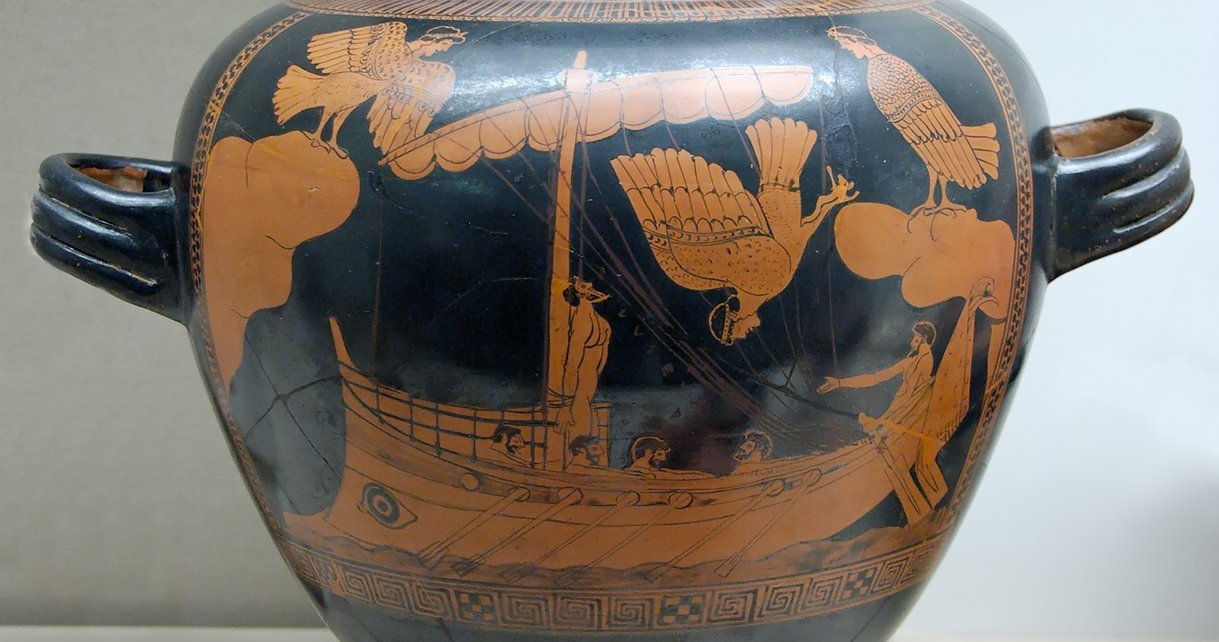
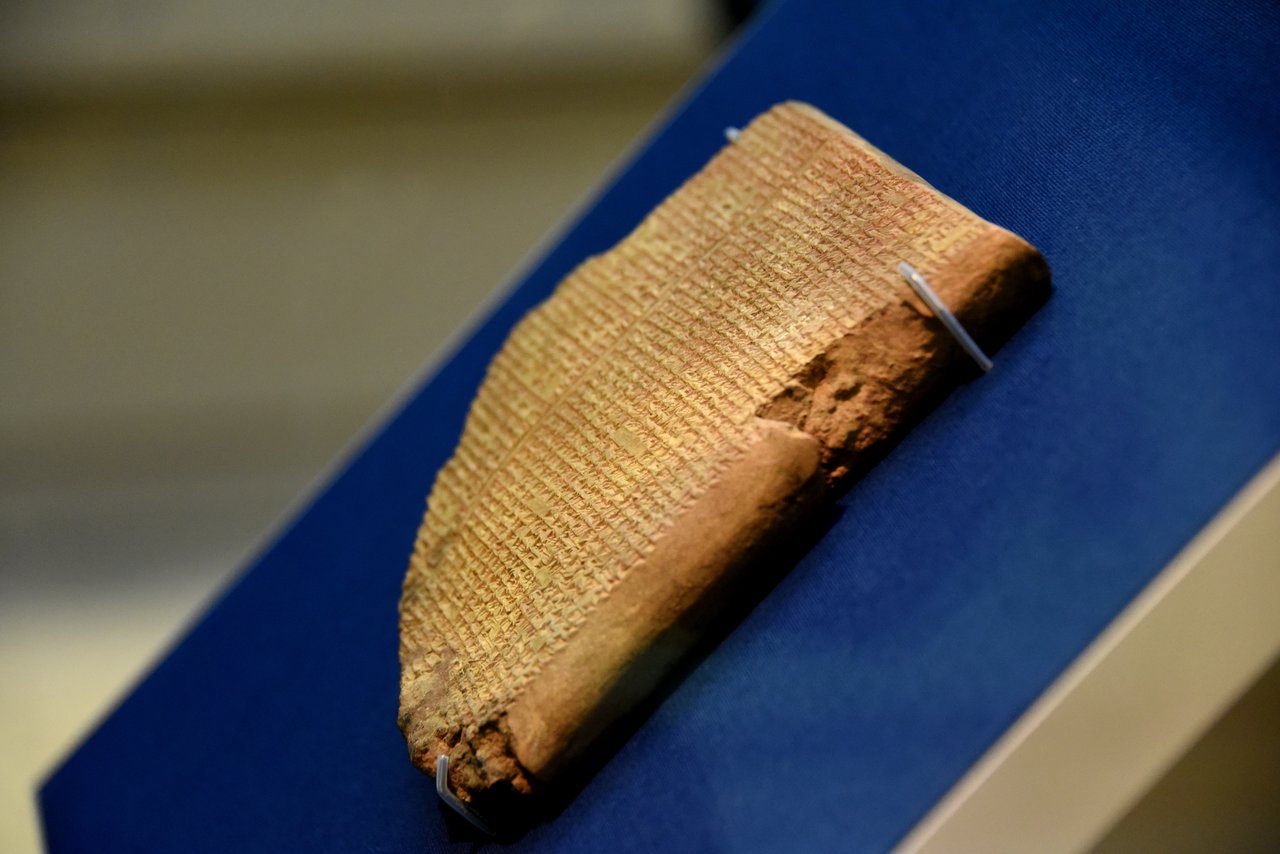
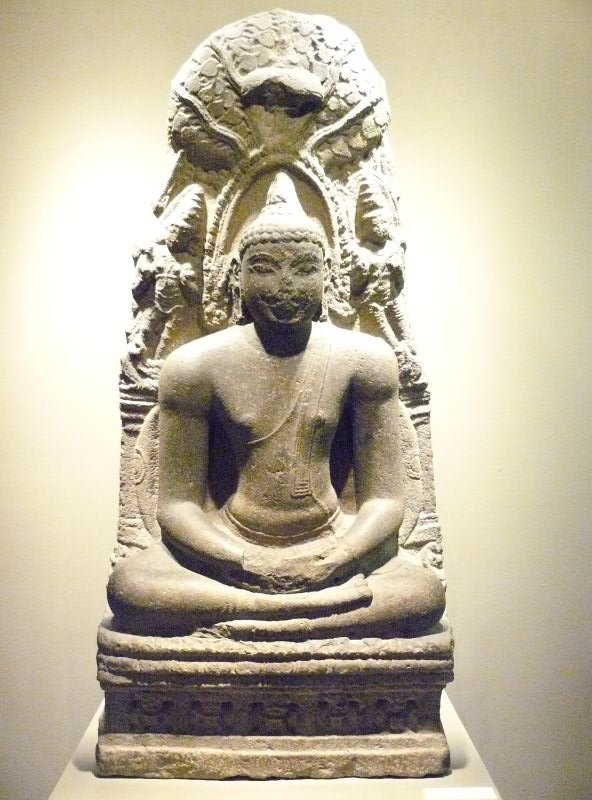
Watch the shape repeat. In Uruk, the king Gilgamesh loses his only friend, walks off the edge of the known world, and comes back with his story carved into the city walls. In Greece, Odysseus sails home from a war and does not arrive for years, having gone down into the land of the dead and back on the way. In India, a prince named Siddhartha walks out of his palace, sits under a tree until he sees through the whole of existence, and returns as the Buddha to teach it. Moses walks into the wilderness and comes back with the Law. Quetzalcoatl descends from the sky, is broken, and departs on a raft of serpents promising to return. Five traditions separated by oceans and, in places, millennia, and Joseph Campbell said they are all telling one story. He called it the monomyth, and once you have seen it you cannot unsee it, which is exactly what worried the scholars who came after him. Whether the five ever shared so much as an indirect line of contact, or arrived at the same shape independently, is a question this file leaves open rather than answers for you here.
01The One Story Campbell Found In All Of Them
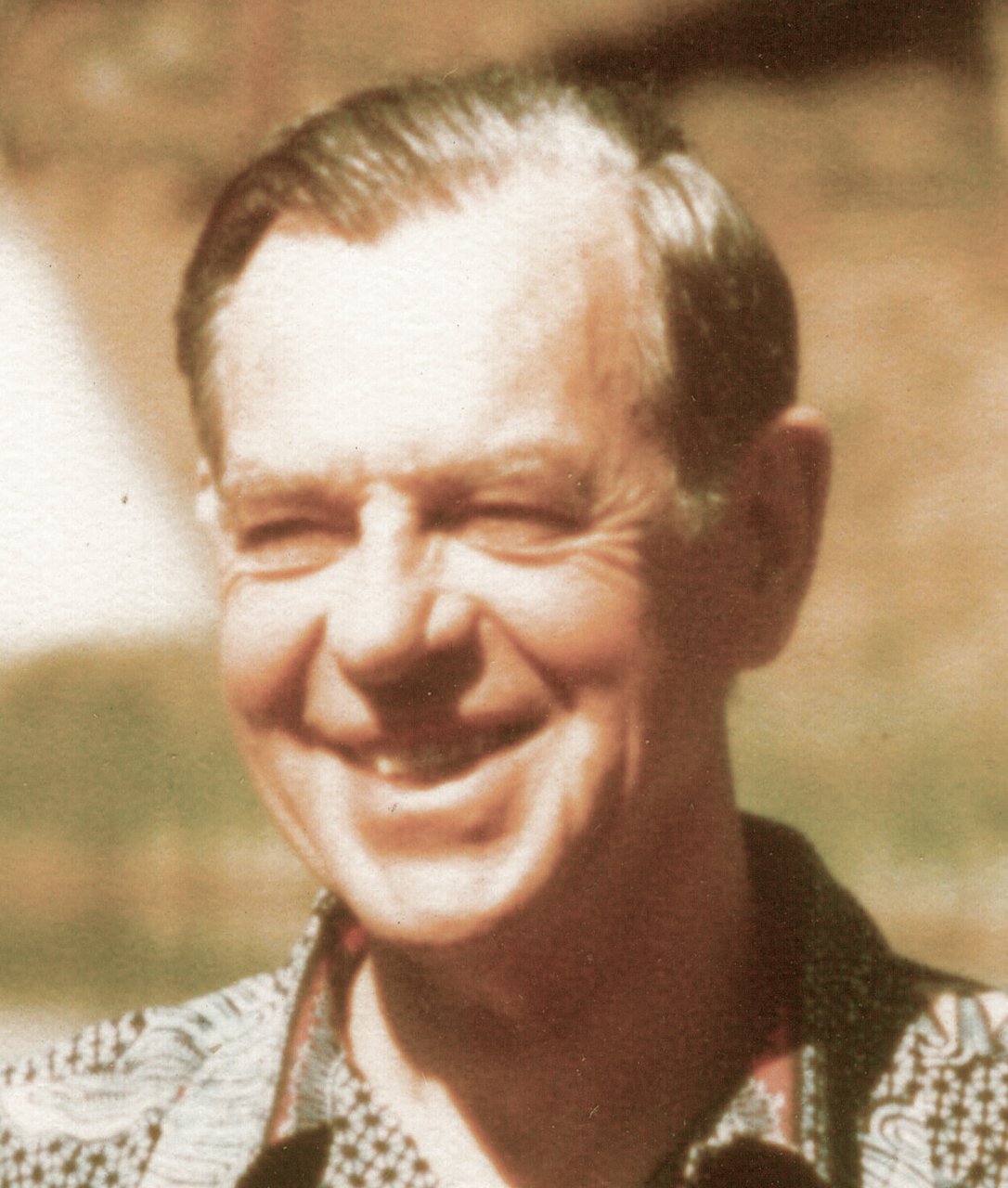
Campbell laid it out in 1949 in The Hero with a Thousand Faces, and he borrowed the word for it, monomyth, straight from James Joyce's Finnegans Wake. The claim is structural. Strip the costumes off the world's extended myths, Campbell argued, and underneath sits one three-part movement he called Separation, Initiation, and Return: the hero leaves the ordinary world, is tested in a realm of supernatural wonder, and comes home carrying something the community needs. His own one-sentence definition, quoted here exactly as he wrote it: 'A hero ventures forth from the world of common day into a region of supernatural wonder: fabulous forces are there encountered and a decisive victory is won: the hero comes back from this mysterious adventure with the power to bestow boons on his fellow man.' Inside those three acts he counted seventeen stages. And here is the caveat Campbell himself insisted on, the one his popularizers usually drop: no single myth contains all seventeen. The monomyth was never a checklist every story has to pass. It was a menu the myths order from.
Then the idea escaped the academy. George Lucas has said he built Star Wars on Campbell, and through that one blockbuster the monomyth became, in the research file's own words, the single most widely used comparative framework for cross-cultural narrative, taught in film schools and printed in screenwriting manuals. Campbell's own roster of examples ran from Gilgamesh and Odysseus to the Buddha, Osiris, and Quetzalcoatl, and, he said, hundreds of others. The reach is real. Whether it proves anything about the human mind is the argument this file exists to have.
02Where The Map Came From
Campbell did not invent the pieces. He assembled them, and the sources are all nameable. From Carl Jung he took the archetypes of the collective unconscious, the hero, the shadow, the anima and animus, the wise old man. From Adolf Bastian he took the distinction between elementary ideas, the universal themes, and folk ideas, their local dress. From James Frazer's The Golden Bough he took the pattern of the dying-and-rising god. From Otto Rank's 1909 The Myth of the Birth of the Hero he took a psychoanalytic template for the hero's origin. From Leo Frobenius he took the night-sea-voyage, the hero swallowed by a monster and reborn. And from Heinrich Zimmer he took his grounding in Indian mythology and philosophy. Six scholars, one synthesis. The monomyth is the sum, and its critics would later argue the sum inherited every one of its parts' assumptions.
03Seventeen Stages, Three Acts
Here are the seventeen stages, in Campbell's own three acts. A warning first, in the spirit of this file: several of the examples below, Luke Skywalker in the trash compactor, Gandalf at the door, are illustrations that later writers hung on Campbell's frame, not scenes from his 1949 text. They are how the stages are taught now, not what Campbell himself first pointed at.
Act one is Departure, and it has five stages. The Call to Adventure, when an event cracks the ordinary world open: Gandalf arrives at Bag End, Enkidu walks into Gilgamesh's life. The Refusal of the Call, when the hero hesitates or flatly says no: Jonah flees to Tarshish, Luke says he cannot leave the farm. Supernatural Aid, when a mentor or magical helper appears: Athena guiding Odysseus, the fairy godmother. Crossing the First Threshold, when the hero finally leaves the known world and passes its guardian, entering the forest, crossing the sea. And the Belly of the Whale, an engulfment that reads as an apparent death: Jonah swallowed whole, Inanna descending into the underworld, Luke and his companions dropped into the Death Star's trash compactor.
Act two is Initiation, six stages, and it is where the journey earns its scars. The Road of Trials, a run of tests that often come in threes: the twelve labors of Hercules, Psyche's tasks. The Meeting with the Goddess, an encounter with an ultimate feminine figure of love or knowledge: Odysseus with Circe and Calypso, Dante with Beatrice. Woman as Temptress, when a temptation threatens to pull the hero off the road: Circe's island, Delilah, the Sirens. Atonement with the Father, the confrontation with ultimate authority: Luke and Darth Vader, Telemachus finding Odysseus, Oedipus. Apotheosis, when the hero touches a divine or transcendent state: the Buddha under the Bodhi Tree, Arjuna granted the cosmic vision in the eleventh chapter of the Gita. And the Ultimate Boon, the prize the whole journey was for: the Grail, Prometheus's fire, the immortality herb Gilgamesh dives for, enlightenment itself. Read those three middle stage names again and hold them. Meeting with the Goddess, Woman as Temptress, Atonement with the Father. They will matter a great deal when the critics arrive.
Act three is the Return, and it is the part most imitators forget: getting the prize is not the end, bringing it home is. The Refusal of the Return, when the hero, having found bliss, does not want to go back: the Buddha's first reluctance to teach, Odysseus lingering on Calypso's island. The Magic Flight, a pursuit or dramatic escape with the boon: Jason and Medea fleeing with the fleece. Rescue from Without, when outside help drags the hero back: Ariadne's thread, the eagles in Tolkien. Crossing the Return Threshold, the disorienting re-entry into ordinary life: Rip Van Winkle, the veteran who cannot come home even once he is home. Master of Two Worlds, when the hero integrates the supernatural knowledge with everyday existence: the Buddha teaching, the shaman returning with healing. And Freedom to Live, when the boon frees the community and the fear of death is overcome: the elixir shared, the kingdom restored, the people healed.
04Five Heroes, One Skeleton
The clearest way to see the claim is to lay several heroes beside each other and track the same six structural beats across all of them. Campbell's readers do this constantly. Here is the comparison the research file itself draws, five traditions separated by oceans and millennia, running what looks like the same route.
| Tradition | The Call | Crossing Over | The Trials | The Abyss / Death | The Boon | The Return |
|---|---|---|---|---|---|---|
| Gilgamesh (Mesopotamia) | Enkidu appears | Into the Cedar Forest | Humbaba, the Bull of Heaven | Enkidu dies, then a descent to the underworld | The plant of youth, and then it is lost | Back to Uruk, the story carved on the walls |
| Odysseus (Greece) | The war ends, the long way home begins | Leaves Troy | The Cyclops, Circe, Scylla | The journey into Hades, Book 11 | Homecoming and hard-won wisdom | Returns at last to Ithaca |
| Siddhartha / Buddha (India) | Sees suffering outside the palace | Leaves the palace | Years of asceticism, the assault of Mara | Sits under the tree and faces death | Enlightenment | Returns to teach |
| Moses (Hebrew Bible) | The burning bush | Out of Egypt into the wilderness | The ten plagues, the Red Sea | Forty years in the wilderness | The Law, the Torah | Leads the people toward the Promised Land |
| Quetzalcoatl (Mesoamerica) | A descent from the heavens | Takes on human form | Tempted by Tezcatlipoca | Burning, self-sacrifice | Calendar and agricultural knowledge | Departs on a raft of serpents |
Every individual cell in that table is verified content, drawn from each hero's own source myth: Gilgamesh really does dive for a plant of youth and lose it, Odysseus really does sail into Hades in Book 11, the Buddha really does sit until enlightenment. What is not simply given is the top row, the claim that all five are running the same six beats. That framing, one route beneath five traditions, is the interpretive move, and it is the move the whole debate turns on. One reader sees a deep structure surfacing five times. Another sees six categories loose enough to catch almost any long story you feed them. (Quetzalcoatl, the one hero here from outside the Old World, has his own full file in this wing; the feathered serpent's promise to return is a story in its own right.)
05Two Scholars Got There First
Campbell was not even first to notice the pattern. In 1936, thirteen years before The Hero with a Thousand Faces, Lord Raglan published The Hero and isolated twenty-two recurring biographical elements of legendary hero-figures, from a royal or divine birth through an attempt on the infant's life, a mysterious upbringing, a victorious return, a reign, and a strange death. Then he did something Campbell never did: he scored real figures against the list, and published the numbers.
| Figure | Raglan Score |
|---|---|
| Oedipus | 22 / 22 |
| Theseus | 20 / 22 |
| Moses | 20 / 22 |
| King Arthur | 19 / 22 |
| Perseus | 18 / 22 |
| Romulus | 17 / 22 |
| Jesus | 17 / 22 |
| Robin Hood | 13 / 22 |
| Muhammad | 7 / 22 |
The other predecessor came out of Russia. In 1928 Vladimir Propp published Morphology of the Folktale, a systematic analysis of one hundred Russian fairy tales, and found that beneath their surface variety they ran on a fixed sequence of thirty-one narrative functions. The parallels to Campbell are striking, and they were arrived at independently: both men found an initial lack or violation, a departure from home, encounters with helpers and opponents, a decisive test or battle, and a restoration and return.
The research file's own verdict on the two is worth keeping. Propp's method was more rigorous but narrower, built from a disciplined analysis of a hundred tales in a single tradition. Campbell's was broader but far less methodologically disciplined, reaching across every culture he could gather but never subjecting the reach to Propp's kind of control. That contrast, rigor against range, is not a footnote. It is the seed of half the criticism that follows.
06The Jungian Engine
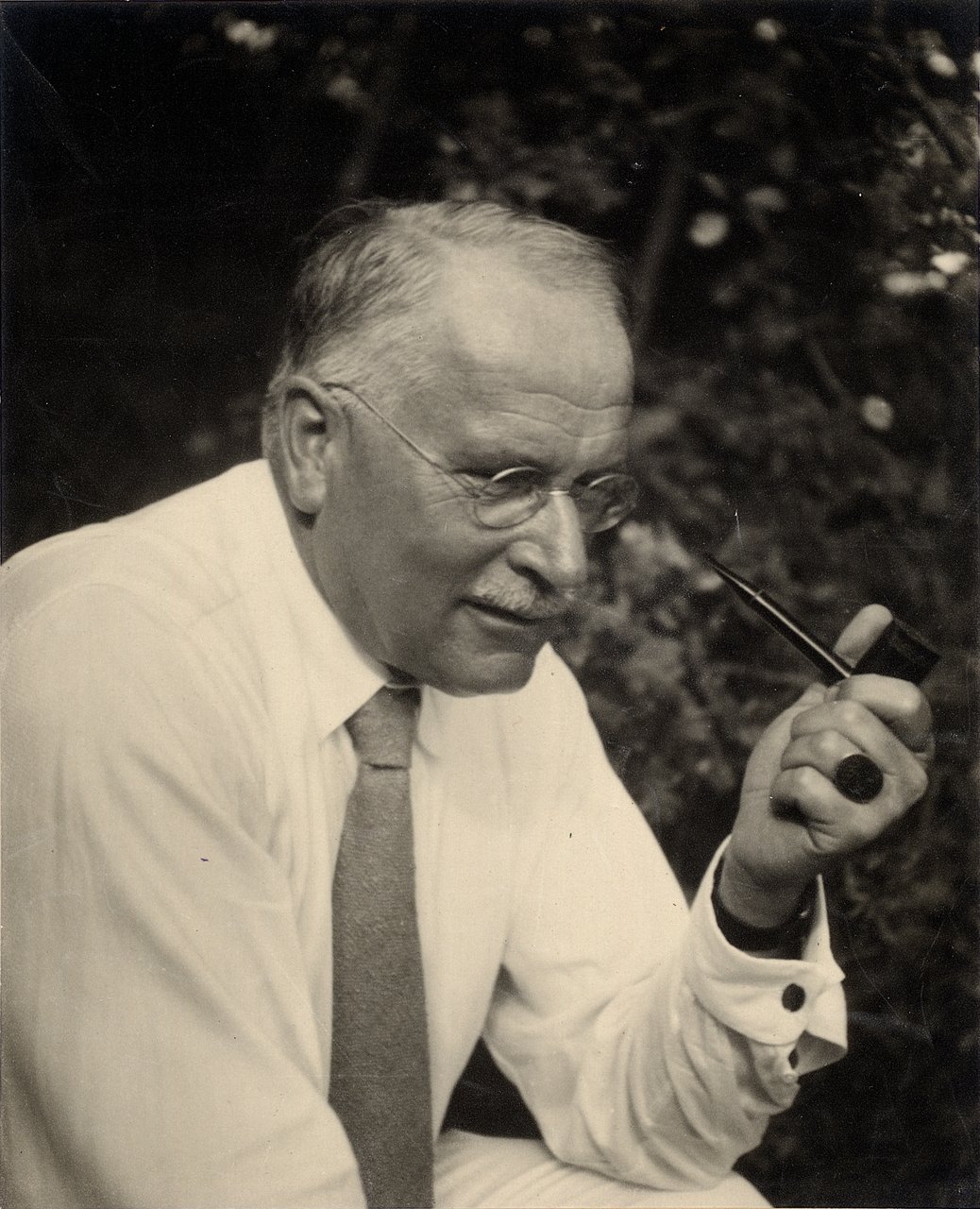
Underneath the whole framework sits a psychological engine, and it is Jung's. Campbell did not think the monomyth was merely a storytelling habit. He thought it was a map of the mind. The hero is the ego. The departure is the ego leaving the comfortable persona, the mask we wear for the world. The initiation is the descent into the unconscious, the confrontation with the shadow, the anima and animus, and finally the Self. The return is integration, what Jung called individuation, the lifelong work of making the unconscious conscious and becoming whole. In the file's own words, the monomyth is really a map of psychological maturation that cultures encode in narrative form. This is the beating heart of Campbell's claim, and it is worth being precise about its status. That Campbell argued this is a fact. That the psyche is actually built this way, that a collective unconscious exists to carry these archetypes, is an interpretation, and a contested one. It is the reason the framework sits at Tier 2 and not Tier 1, and it is the first thing the critics went for.
07Does The Pattern Fit The Women Too?
One objection landed early and hard, so the research file meets it head-on, in good faith, before the full slate of criticism. The charge is that the hero, in Campbell, is a man. The file's answer is to show the pattern running through women's stories too, and it names five.
Inanna descends into the underworld, is stripped of her power, killed, and then resurrected: a death and return as complete as any in the male canon. Psyche is set a series of tasks by Aphrodite, descends into the underworld herself, and is finally raised to divinity through her marriage to Eros. Vasilisa the Beautiful, in the Russian tale, journeys to Baba Yaga and comes back carrying fire. Durga and Kali wage cosmic-scale war on the buffalo demon Mahishasura. And Mulan runs the sequence cleanly: the call, the disguise that serves as her threshold, the trials, the return. The stories are real, and when you lay the stages over them, a great deal of the structure genuinely fits.
Take that seriously: the seventeen-stage structure can be stretched over female-centered myths, and when you do, much of it lands. But notice exactly what has and has not just happened. Showing that the frame stretches to cover Inanna and Mulan is not the same as showing that Campbell built it from their stories, or that its stage names were ever written with them in mind. Hold that distinction. It is the hinge the sharpest criticism turns on, and that criticism is next.
08Six Times The Scholars Pushed Back
For all its fame, the monomyth has drawn serious, sustained, named academic criticism, and the research file lists six distinct lines of it. None is a fringe complaint. Each is a real argument from a real scholar, and this file keeps all six on the table rather than tidying them into a single dismissible sentence.
One. Selectivity. Alan Dundes and Batto pressed the most basic objection there is: Campbell cherry-picks. He gathers the myths that fit the seventeen-stage shape and quietly sets aside the ones that do not. If you choose your evidence by whether it confirms your pattern, the pattern will always look universal, because you have thrown out every counterexample before you started counting.
Two. Androcentrism. Maureen Murdock and Le Guin argued that the hero of the monomyth is not a neutral human being but implicitly a man, and that women's narratives often move to a different rhythm entirely. This is the criticism the female-heroes section from a moment ago cannot actually answer, and it is worth being exact about why. The charge is twofold. First, Campbell's own 1949 corpus was built overwhelmingly from male narratives, so the generalization was drawn from a lopsided sample to begin with. Second, and harder to wave off, the stage names themselves encode a man's journey: Meeting with the Goddess, Woman as Temptress, Atonement with the Father. In that scheme the feminine appears as something the hero meets, is tempted by, or reconciles with, never as the one walking the road. Retrofitting the seventeen stages onto Inanna or Mulan proves the frame can be stretched. It does not un-name those stages, and it does not rebuild the sample Campbell actually generalized from. Murdock's answer was not to defend the map but to draw a different one, which we come to shortly.
Three. Eurocentrism. Robert Segal and Bruce Lincoln pointed out where Campbell's attention actually goes: heavily to Greek, Christian, and Buddhist material, and far more lightly to African, Pacific, and Indigenous American traditions. A framework that advertises itself as the universal shape of human myth, yet draws most of its detail from a familiar band of Mediterranean and Asian classics, has a problem it cannot argue its way out of by adding a few examples. The imbalance is baked into which myths Campbell knew best and treated as central, and a genuinely universal pattern should not lean so hard on one corner of the map.
Four. No predictive power. This one is structural. The monomyth describes stories after the fact, but it does not explain them and it cannot predict them. Hand the framework a culture whose myths you have not read and it tells you nothing about what their stories will look like; hand it a finished myth and it can always find the stages somewhere. A pattern that fits everything in hindsight and forecasts nothing in advance is doing description dressed up as discovery, the critics argue, and calling the costume science.
Five. Flattening diversity. Doniger and, again, Bruce Lincoln argued that forcing every myth into one template erases the very differences that give each tradition its meaning. A Mesopotamian descent to the underworld, an Indian enlightenment beneath a tree, and a Mesoamerican self-sacrifice are not interchangeable episodes of one master-story; they mean radically different things to the people who tell them. Reduce them all to the same labeled stage and you have not revealed a hidden unity, you have deleted the content that mattered.
Six. The Jungian foundation is contested. The whole framework rests, as we saw, on Jung's collective unconscious, and from cognitive science the objection is blunt: the collective unconscious is empirically unverifiable. No one has measured it, and it is not clear what would even count as measuring it. If the load-bearing explanation for why the pattern recurs is a construct that cannot be tested, then the deepest version of Campbell's claim, that the monomyth is wired into the species, is resting on a foundation science can neither confirm nor stand on.
09What Came After
Murdock did not just criticize the map, she drew an alternative. Her 1990 book The Heroine's Journey traces a different arc: a separation from the feminine, an identification with the masculine, a road of trials, a descent, and then a reconnection with the feminine that the male monomyth has no stage for. The research file's assessment is that this is a better fit for many women's narratives. The point is not that Murdock's version is proven where Campbell's is not; it is that the two describe genuinely different journeys, which is itself evidence that Campbell's was never as universal as it claimed.
Campbell's other major descendant went the opposite way, toward simplification. In 1992 Christopher Vogler boiled the seventeen stages down to twelve for screenwriters in The Writer's Journey, and that streamlined version became the working template of Hollywood, the structure quietly underneath a large fraction of the films you have seen. This is the strange afterlife of the monomyth: heavily criticized as scholarship, and simultaneously more influential on modern storytelling than almost any academic idea of the twentieth century.
There is also a way to actually test some of this, and it is new. Phylomemetic analysis borrows the computational methods evolutionary biologists use to build family trees, and turns them on myths. In principle it can distinguish whether hero-journey motifs spread because cultures were in contact, which is diffusion, or arose independently in unconnected places, which would point toward a shared psychological source. That is precisely the question Campbell could only assert an answer to. The method is real and promising, but the answer is not in yet, which is why this sits in the speculative column rather than the settled one.
10The Argument That Never Closed
So where does that leave the central claim, that the monomyth is universal? The research file's own graded verdict is careful: widely distributed, but not truly universal. The pattern really does turn up on every inhabited continent and across recorded history, which is not nothing. But not every myth fits it. The clearest counterexample is one this wing has already filed: the trickster, the rule-breaker who tears order down rather than carrying a boon home to restore it, is the monomyth's structural opposite, and the file names him as its counter-pattern. Creation myths and a great many folk tales do not follow the departure-initiation-return arc either. The framework works best, the file concludes, for extended quest narratives, and stops working the further you get from them.
And Campbell the scholar? Here the file's verdict is a flat Mixed, and it earns the word. On one side: encyclopedic breadth, real comparative genius, and a readability that carried the idea out of the university and into the culture. On the other: none of Propp's methodological discipline, and a habit of blending myth, religion, psychology, and philosophy into a single shimmering synthesis where the joins are hard to inspect. Brilliant synthesis, the file concludes, not rigorous methodology. Both halves of that sentence are true at once, and pretending otherwise in either direction is its own kind of dishonesty.
Fast Facts
- The thesis
- Joseph Campbell's monomyth: strip the costumes off the world's extended myths and one hero's journey remains, seventeen stages across three acts, Separation, Initiation, and Return
- The book
- The Hero with a Thousand Faces (1949); Campbell borrowed the word monomyth from James Joyce's Finnegans Wake
- Built from
- Jung, Adolf Bastian, James Frazer, Otto Rank, Leo Frobenius, and Heinrich Zimmer
- Famous afterlife
- George Lucas modeled Star Wars on it; Christopher Vogler's twelve-stage version became the Hollywood standard
- Got there first
- Lord Raglan's 22-point hero scale (1936) and Vladimir Propp's 31 narrative functions (1928)
- The six criticisms
- Selectivity (Dundes, Batto), androcentrism (Murdock, Le Guin), Eurocentrism (Segal, Lincoln), no predictive power, flattening diversity (Doniger, Lincoln), and a contested Jungian basis
- What it does not cover
- Creation, flood, trickster, and origin myths, none of which follow the hero pattern
- Still open
- Whether the pattern is innate human psychology, or the product of diffusion, shared social structure, and narrative economy
What We Can Actually Stand Behind
The framework and the examples are real and well documented. Campbell's seventeen-stage taxonomy is an accurate, citable restatement of his 1949 model, and the cross-cultural examples hold up against their own source myths: Gilgamesh really loses the plant of youth, Odysseus really sails into Hades, the Buddha really wakes under the Bodhi Tree, Moses really meets the burning bush. Lord Raglan's 1936 twenty-two-point scale and Propp's 1928 morphology are real, published, scored scholarly frameworks in their own right. That descriptive ground is solid, and nothing in the criticism touches it.
Why the pattern recurs, and how far it really reaches, is genuinely unsettled. The research file's own graded verdict is that the monomyth is widely distributed but not truly universal, and that Campbell's scholarship is a brilliant synthesis rather than a rigorous method. The six named criticisms all still stand: selectivity from Dundes and Batto, androcentrism from Murdock and Le Guin, Eurocentrism from Segal and Lincoln, the lack of predictive power, the flattening of diversity from Doniger and Lincoln, and the empirically unverifiable Jungian foundation. And the deepest claim of all, that the pattern reflects innate human psychology, gets the file's most honest line: psychologically resonant, but innate is unproven. Cultural diffusion, shared social structures, and simple narrative economy are live alternatives, and no one has ruled them out.
The maximal version is overreach, and it fails. Campbell sometimes implied the monomyth explains all myths, and it does not. Creation myths, flood myths, trickster tales, and origin and etiological myths do not follow the hero pattern at all. The monomyth covers roughly one category of story, the extended quest, and dressing it up as the skeleton key to every myth humanity has ever told claims far more than the evidence allows. That specific overclaim is the one this file declines outright.
So the hero's journey is real in the way a good map is real: it genuinely helps you cross a certain kind of territory, and it genuinely leaves other territory off the page. Campbell's stages are an accurate description of a large family of quest myths, and the departure, the ordeal, and the boon carried home really do recur across cultures that never met. Strip away the overclaim, that it explains every myth ever told, and none of that shrinks. What stays open is the deepest question, the one Campbell answered with a confidence the evidence never gave him. When Gilgamesh and the Buddha and Moses all walk out the door, cross into the dark, and come back carrying something for the rest of us, are we watching the human mind remember its own shape, or just the one story long enough to be worth telling twice? Campbell said the first. He never proved it. That question is still standing exactly where he left it.
Sources & further reading
Everything above is drawn from our research library on Theories of Anything, and every claim traces back to the files below. Open the full file to check the sourcing and go deeper.
Image credits
- Tablet XI, the Flood Tablet, of the Epic of Gilgamesh, British Museum photograph by Osama Shukir Muhammed Amin FRCP(Glasg), via Wikimedia Commons. CC BY-SA 4.0 Source.
- Joseph Campbell, Feathered Pipe Ranch, Montana, late 1970s photograph by Joan Halifax, via Wikimedia Commons. CC BY 2.0 Source.
- The Siren Vase: Odysseus bound to the mast, Attic red-figure stamnos, c. 480-470 BCE, British Museum ancient ceramic object (The Siren Painter), photograph digitized via the British Museum's own collection records, via Wikimedia Commons. Public domain Source.
- Buddha meditating under the Bodhi Tree, stone sculpture, circa 800 CE, Brooklyn Museum photograph by Trish Mayo, via Wikimedia Commons. CC BY 2.0 Source.
- Carl Gustav Jung, portrait photograph, circa 1935, ETH-Bibliothek Zurich unknown photographer, circa 1935, ETH-Bibliothek Zurich (Portr 14163), via Wikimedia Commons. Public domain Source.
- The Siren Vase (hero image): Odysseus bound to the mast, Attic red-figure stamnos, c. 480-470 BCE, British Museum ancient ceramic object (The Siren Painter), photograph digitized via the British Museum's own collection records, via Wikimedia Commons. Public domain Source.

.jpg)

