Roswell Incident: Historical Analysis
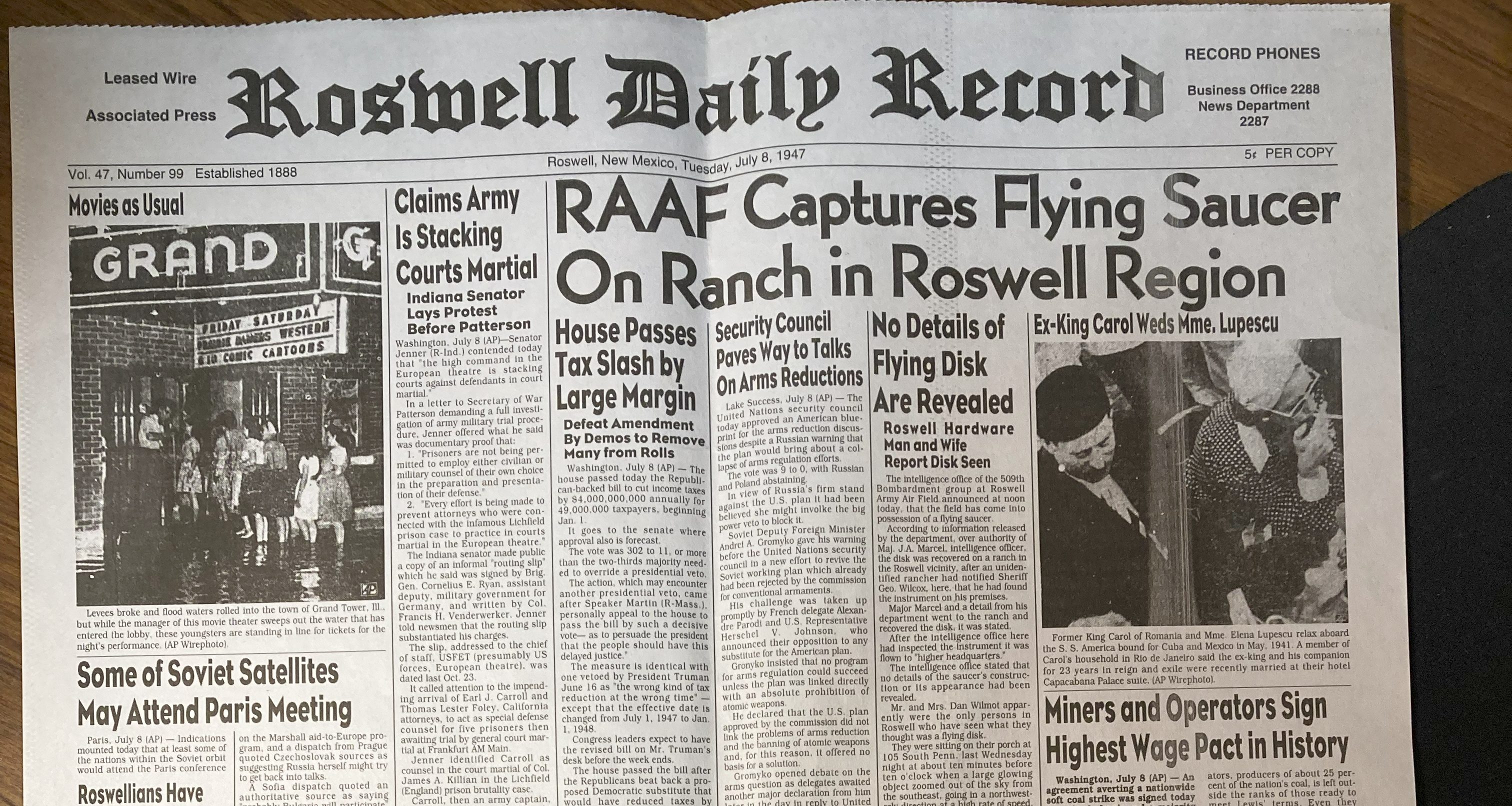
On July 8, 1947, Roswell Army Air Field announced that it had recovered a flying disc from a ranch in New Mexico. Within hours a general in Fort Worth stood over the debris and called it a weather balloon and a radar reflector. That much is documented, and it is roughly where the documentation stops. The bodies, the hangar, the intact craft, the second crash site: all of that arrived decades later, out of memory. This is the most famous UFO case on Earth, and our own research file grades it 2 out of 5 for source confidence, below both our Rendlesham Forest file and our Nimitz Tic Tac file. Fame is not evidence weight. Here is the case at its real strength, tier by tier, including the two claims the file marks debunked outright.
Roswell is a real place in New Mexico, and in July 1947 it was the home of Roswell Army Air Field. The 509th Bomb Group was stationed there, which at that moment made it the only nuclear-armed unit anywhere in the world. Whatever you end up believing about that summer, start from that fact. Debris off a ranch got reported to the one base on the planet that was home to a nuclear-armed bomb group, and the men the base sent out to collect it were intelligence officers.
Here is what this dossier will not do. It will not treat Roswell as the strongest case in the drawer just because it is the loudest one. Our own research file rates its source confidence at 2 out of 5 and its primary tier at 2 to 3, across 16 sources. Our Rendlesham Forest file rates 3 out of 5, Tier 1 to 2. Our Nimitz file is Tier 1, officially authenticated. Roswell is the name everybody knows and the thinnest evidentiary footing of the three, and the file's own summary calls the case fundamentally divided. Fame is not evidence weight. So: the case at its real strength, tier by tier, with the two claims the file marks debunked kept exactly where they belong.
01The First Twenty-Four Hours
It starts on a ranch. In early July 1947, W.W. 'Mack' Brazel found unusual debris scattered across the J.B. Foster ranch in Lincoln County, New Mexico, roughly 75 miles northwest of Roswell. The file is honest that it cannot pin the day: the two candidate dates it offers, June 14 and July 3, do not even fall in the same month. That vagueness sits at the very first step of the most famous UFO case on Earth, and it is worth noticing before anything else.
Brazel went to the law before the Army came out to the ranch. He reported the find to Chaves County Sheriff George Wilcox, and Wilcox notified Roswell Army Air Field.
The base sent intelligence, not a maintenance crew. Major Jesse Marcel, the field's intelligence officer, and Captain Sheridan Cavitt of the Counter-Intelligence Corps went out and collected material from the site.
Then came the step the file itself calls unprecedented. On July 8, 1947, Roswell Army Air Field issued a press release, authorized by base commander Colonel William Blanchard, announcing that it had recovered a 'flying disc.' This is not folklore repeated back at us. It is documented in the contemporary newspaper editions, and the front page of that day's Roswell Daily Record carried it under the headline 'RAAF Captures Flying Saucer On Ranch in Roswell Region.'
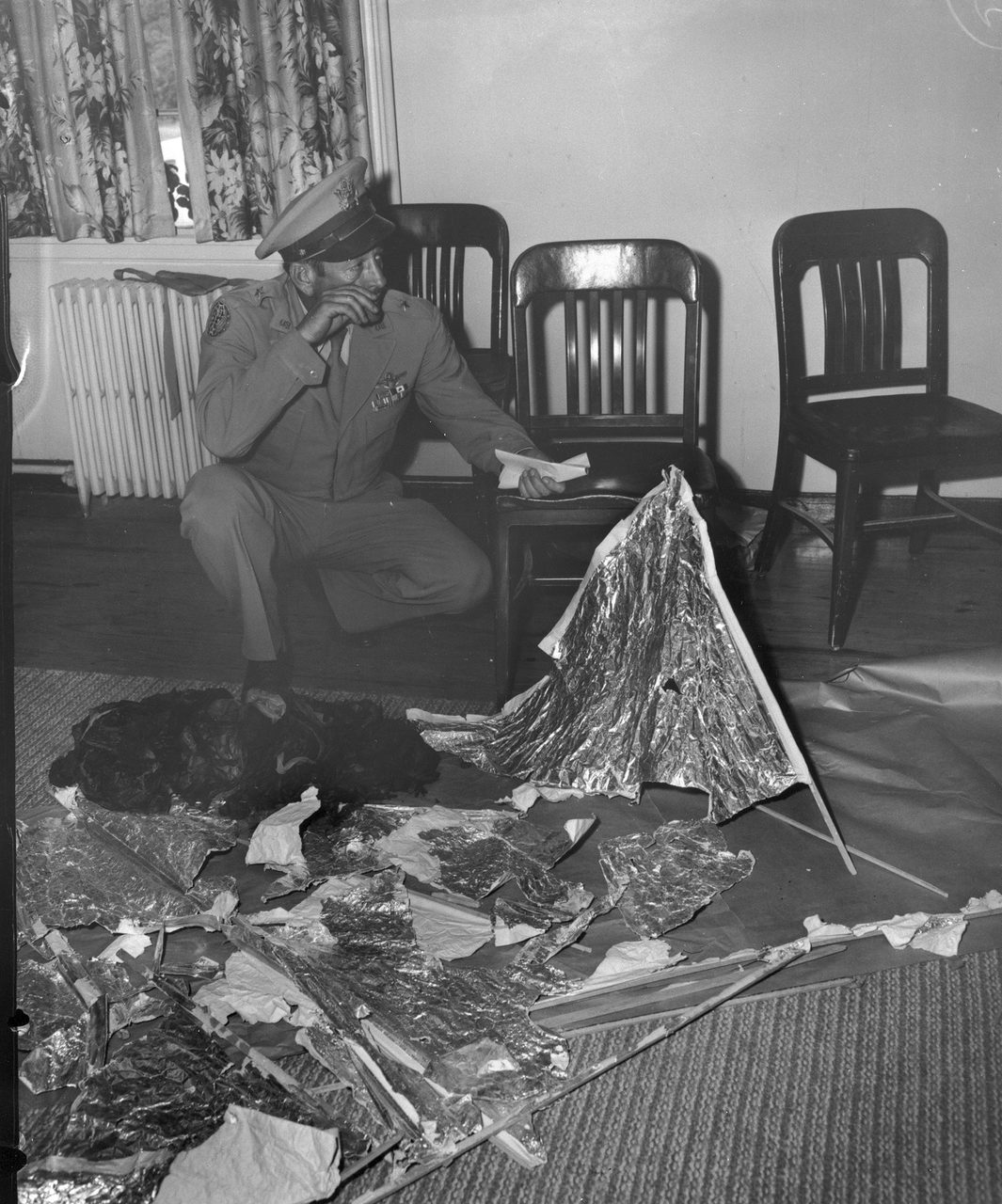
It stood for hours. Brigadier General Roger Ramey of the Eighth Air Force held a press conference at Fort Worth, displayed debris, and identified it as a weather balloon and a radar reflector, which effectively retracted the base's own announcement. Photographs from that press conference survive and have been analyzed extensively ever since.
One day, one official claim, one official retraction, both from the same service. Everything that comes after in this file is an argument about which of those two statements was the honest one.
02The Case That Came Back
And then, for three decades, nothing. The incident was largely forgotten until 1978, when nuclear physicist Stanton Friedman interviewed Jesse Marcel. Marcel said the debris he had recovered was 'not of this Earth,' and that the weather-balloon explanation had been a cover story. That interview reignited the case, and it produced the decades of research, competing accounts, and major publications that everything modern about Roswell is built on.
Notice the shape of that, because it governs the whole dossier. The documented part of Roswell is a handful of days in July 1947. The famous part of Roswell, the bodies, the hangar, the intact craft, the second site, is a body of testimony that begins in 1978, swells through the 1990s, and is still arriving as late as 2005. Those are two different kinds of evidence with two different failure modes, and this file does not blend them. Neither will we.
03Project Mogul: What The Air Force Says Fell
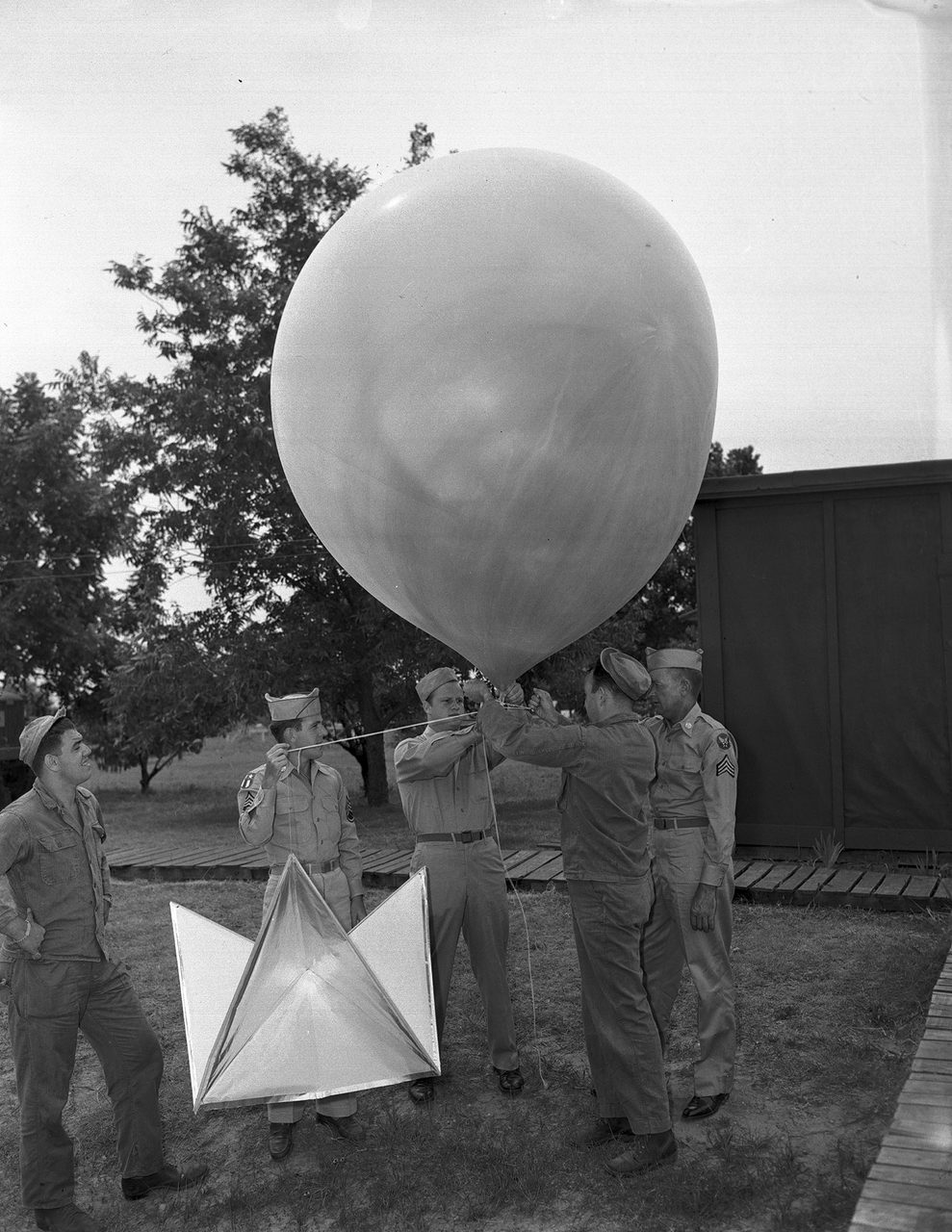
The official explanation is not really a weather balloon, and has not been for a long time. Project Mogul was a classified Army Air Forces and USAF program that ran from 1947 to 1949, flying high-altitude balloon trains fitted with acoustic sensors to detect Soviet nuclear detonations. The program is documented in declassified files. It was real, it was secret, and it was flying.
One flight carries the argument. Flight #4 went up around June 4, 1947, from Alamogordo Army Air Field, carrying neoprene balloons, ML-307 radar reflectors, and instrument packages. Project Mogul engineer Charles B. Moore later worked out its trajectory and placed it on a path consistent with landing in the general area where Brazel found his debris.
And the material descriptions fit it. Witnesses described foil-like material, sticks like balsa wood, parchment-like paper, and an unusual tape printed with floral or geometric patterns. All of that is consistent with ML-307 radar-reflector materials, and the flowers have an almost absurdly mundane source: the reflectors were finished with a toy manufacturer's tape printed with pink and purple flower patterns, used as a field expedient. That is the sort of detail an explanation does not usually get to have.
04What The Investigations Found
The Air Force eventually put its own name to Mogul. Its 1994 report, Report of Air Force Research Regarding the Roswell Incident, concluded that Project Mogul was the most probable source of the debris.
The other 1994 investigation is the one that keeps the case breathing. At the request of Congressman Steven Schiff of New Mexico, the General Accounting Office went looking for the paperwork. What it found was an absence. Roswell Army Air Field's administrative records for March 1945 through December 1949, and its outgoing messages for October 1946 through February 1949, had been destroyed, with no documentation of when or by whom. The file states the caveat in the same breath, and we will state it too: that gap is unusual, and it does not by itself prove a coverup.
Both of those are Tier 1. The Air Force's most probable explanation is on the record, and so is the hole in the filing cabinet. Neither one cancels the other, and a reader who wants only one of them is not reading the file.
05The Witness The Case Rests On
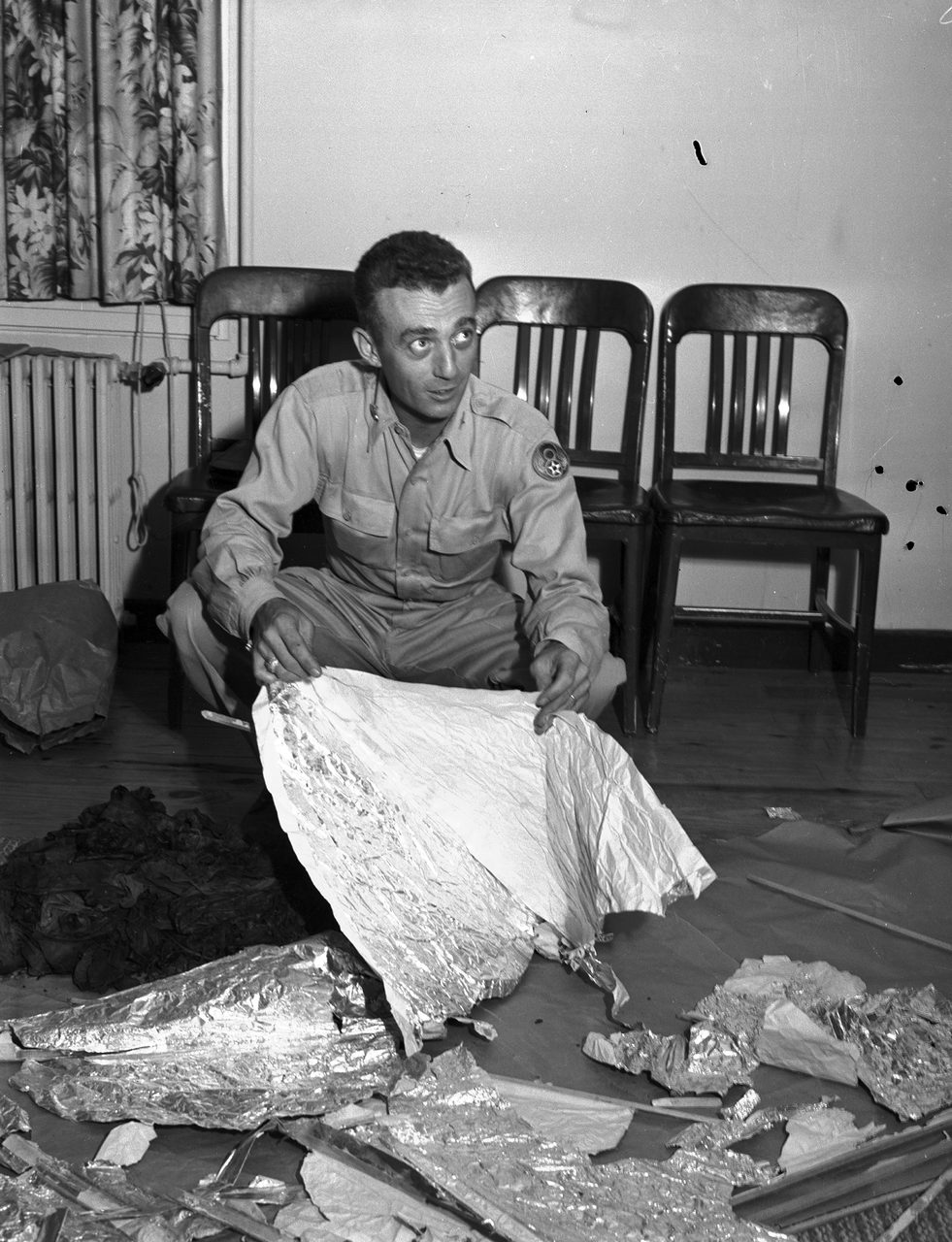
Jesse Marcel Sr., 1907 to 1986, told a specific story. Speaking to Friedman in 1978 and to others afterward, he said the material he recovered was unlike any balloon or radar target he had ever seen: structural members that could not be bent, burned, or cut; metal foil that was extremely light and still could not be dented; and material carrying strange symbols.
Now the part a fan account leaves out, and the file does not. Marcel was a career military intelligence officer with training in radar and aerial reconnaissance, and his credibility is generally considered high on exactly that record. He is also known to have exaggerated his educational credentials, claiming engineering degrees he did not possess, as Pflock and others have documented. Both of those are true at once. A witness can be professionally competent and personally inflated in the same lifetime, and the honest move is to carry both facts together instead of keeping whichever one flatters the story you already like.
And here is the ceiling on all of it. Marcel's testimony is the single most important factor in the case's revival, and it cannot be independently verified, because the debris he handled has never been publicly produced for analysis. Everything he described is a description. There is no sample.
06Three Hundred Witnesses, And When They Spoke
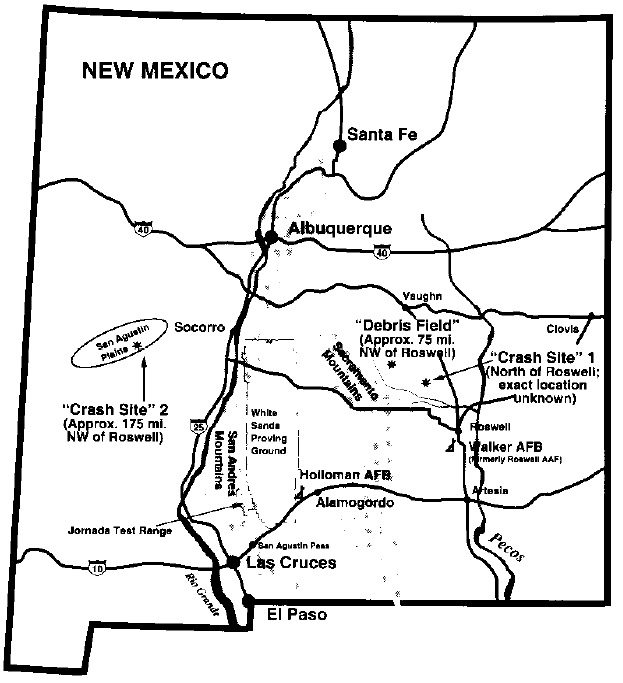
Marcel is not alone in the record. Researchers compiled testimony from over 300 witnesses across two major books, Randle and Schmitt's UFO Crash at Roswell in 1991 and Friedman and Berliner's Crash at Corona in 1992. That body of testimony includes the claim the entire legend hangs from: a second crash site, closer to Roswell than the debris field, holding an intact craft and alien bodies.
Then the caveat, which the file puts inside that same Tier 2 section rather than burying it. Many of the key witnesses did not come forward until the 1990s, decades after the event, which raises real concerns about memory reliability, confabulation, and contamination from the enormous volume of media coverage in between. And some of the testimony is mutually contradictory: different crash site locations, different descriptions of the debris, different numbers of bodies. A crowd of witnesses sounds like corroboration. A crowd of witnesses who disagree with each other, arriving decades late, is a different thing, and this dossier will not pretend otherwise.
07The Bodies, And The Government's Own Timing Problem
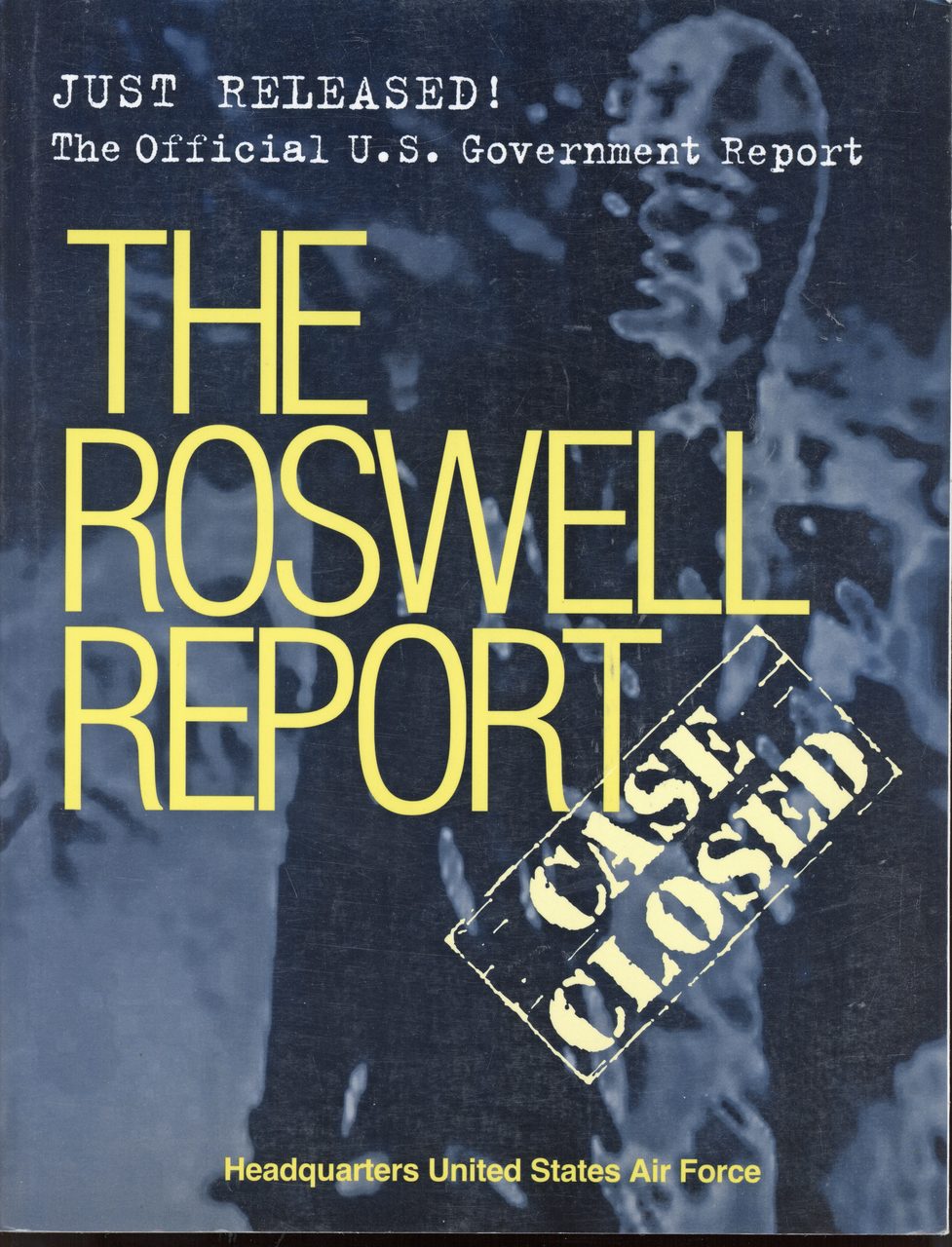
The Air Force came back for a second pass in 1997, and this time it went after the bodies. The Roswell Report: Case Closed attributed the 'alien body' testimony to two mundane sources: anthropomorphic crash test dummies used in the 1950s under Operation High Dive and Project Excelsior, and the 1956 crash of a KC-97 that scattered human remains near Walker Air Force Base, the former Roswell Army Air Field.
And now the part that makes this dossier honest in both directions, because the file is. Critics point out a timing problem inside the Air Force's own explanation, and it is a real one: the dummy drops began in 1953, six years after the Roswell incident, which makes the temporal conflation questionable. The Mogul hypothesis explains the debris well. It does not directly account for the body testimony at all, and the Air Force's answer to that gap is temporal displacement of memories from later events. That is a hypothesis about how human memory behaves, not a document.
08Where Project Mogul Gets Weak
The file closes with a short block of counter-arguments, and it does not grade them 1 to 4, so neither will we. What is worth noticing is the direction they point. They are aimed at the official explanation, not the alien one, which is the mark of a document genuinely trying to weigh rather than to win.
Two problems, both real. First, Flight #4's launch is not confirmed in Project Mogul's own records; Moore reconstructed its trajectory from memory. The flight that best explains Roswell is the flight the paperwork does not show. Second, the secrecy argument fits less neatly than it sounds. Mogul's Top Secret classification applied to the program's purpose, not to the balloons themselves, which were launched in public view. If the hardware in the sky was not the secret, then classification is a weaker explanation for a same-day retraction than it first appears.
09What The File Leaves Speculative
The extraterrestrial crash hypothesis sits at Tier 3 in this file, and the file is precise about what holds it up. Four things: Marcel's testimony about anomalous material properties; the later witnesses' claims of alien bodies; the unprecedented 'flying disc' press release followed by a rapid retraction, read as a coverup; and the destruction of the base's administrative records for the relevant period. And one thing it lacks, stated plainly. No confirmed physical evidence, no debris, no material samples, no biological specimens, has ever been publicly produced or subjected to independent scientific analysis. Not once, across every decade this case has been argued.
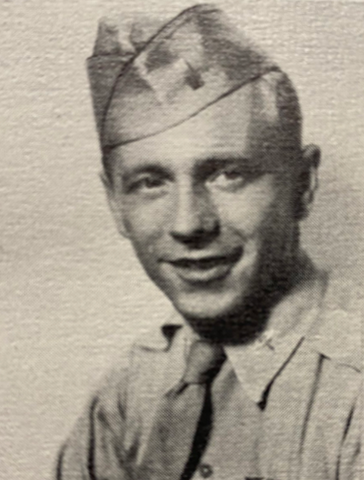
Then there is Walter Haut, and he is the reason this section is not empty. Haut was the Roswell Army Air Field public information officer who drafted the July 8 press release, which places him about as close to the original event as anyone gets. In an affidavit that stayed sealed until it was opened after his death, in 2005, he stated that he had personally seen the recovered craft, egg-shaped, and alien bodies, in Hangar 84 at the base, and that Colonel Blanchard had shown them to him. The file does not let that stand unqualified, and neither will we. The affidavit is significant precisely because of Haut's central role, and it was produced decades after the event, and Haut's health was declining, and the circumstances of its creation, including the involvement of researchers Dennis Balthaser and Wendy Connors, have been questioned.
Tier 3 means exactly this and nothing more: a specific, serious claim from a man who was genuinely in a position to know, which the record can neither confirm nor dismiss. It is not vindication and it is not a debunking, and anyone selling it to you as either is selling you something.
| The Pillar | Where The File Puts It | What The File Sets Against It |
|---|---|---|
| Marcel's account of the material | Tier 2. He described structural members that could not be bent, burned, or cut, and metal foil that was extremely light and still would not dent. | The debris he handled has never been publicly produced for analysis, so the account cannot be independently verified. Marcel is also documented to have exaggerated his educational credentials. |
| Alien bodies at a second crash site | Tier 2 as testimony, compiled from over 300 witnesses by Randle and Schmitt (1991) and Friedman and Berliner (1992). | Many of those witnesses first spoke in the 1990s, and the accounts contradict each other on location, on debris, and on the number of bodies. The 1997 Air Force report attributes the body reports to 1950s crash-test dummies and a 1956 KC-97 crash. |
| The 'flying disc' press release and its same-day retraction | Tier 1 as events. The release went out July 8, 1947 under Colonel Blanchard; General Ramey retracted it within hours. | Project Mogul was genuinely classified and genuinely flying, and the 1994 Air Force report names it the most probable source of the debris. But Mogul's secrecy covered the program's purpose, not the balloons, which flew in public view. |
| The destroyed base records | Tier 1 as a finding. The GAO confirmed that the administrative records for March 1945 to December 1949 and the outgoing messages for October 1946 to February 1949 were destroyed. | No documentation exists of when they were destroyed or by whom. The file's own reading is the careful one: unusual, and not proof of a coverup on its own. |
10The Two Things The File Refuses
Two Roswell artifacts are famous enough that people still cite them in good faith, and the file marks both with the same bracket. Neither one is a maybe.
The first is the 'Alien Autopsy' film, released in 1995 by Ray Santilli and sold as government footage of an autopsy performed on a body recovered at Roswell. The file's verdict is [DEBUNKED]. In 2006 Santilli himself said the film was a fabrication, which he called a 'reconstruction,' and claimed it had been based on deteriorated original footage that no longer existed. No evidence supports that claim either. The film is considered a deliberate hoax.
The second is the Majestic-12 papers, allegedly top-secret briefing documents establishing a secret committee to manage the Roswell recovery. The file's verdict is [DEBUNKED]. Multiple analysts exposed them as forgeries on typographical errors, anachronistic formatting, and factual inaccuracies, with detailed analysis from Joe Nickell, Philip Klass, and the U.S. Air Force Office of Special Investigations. If you have read somewhere that a secret committee was convened over Roswell, that is where the story comes from, and it is a fabrication.
Fast Facts
- The Place
- The J.B. Foster ranch in Lincoln County, New Mexico, roughly 75 miles northwest of Roswell. W.W. 'Mack' Brazel found the debris there in early July 1947; the exact date is uncertain, given as either June 14 or July 3.
- The Base
- Roswell Army Air Field, in July 1947 the home of the 509th Bomb Group, the only nuclear-armed unit in the world at that time.
- The Press Release
- Issued July 8, 1947, authorized by base commander Colonel William Blanchard, announcing recovery of a 'flying disc.' The front page of that day's Roswell Daily Record carried it under the headline 'RAAF Captures Flying Saucer On Ranch in Roswell Region.'
- The Retraction
- Within hours, Brigadier General Roger Ramey of the Eighth Air Force displayed debris at Fort Worth and identified it as a weather balloon and a radar reflector. The press photographs survive and have been analyzed extensively.
- The Official Answer
- Project Mogul, a classified 1947 to 1949 balloon program listening for Soviet nuclear detonations. Flight #4 launched around June 4, 1947 from Alamogordo Army Air Field, a launch Mogul's own records do not confirm; the USAF's 1994 report named Mogul the most probable source of the debris.
- The Missing Records
- The GAO found that Roswell AAF administrative records for March 1945 to December 1949, and outgoing messages for October 1946 to February 1949, had been destroyed, with no documentation of when or by whom.
- The Witness
- Major Jesse Marcel (1907 to 1986), the intelligence officer who collected the debris. Tier 2: credible on his professional record, and documented to have exaggerated his educational credentials.
- The Bodies
- Tier 2 testimony from over 300 witnesses, much of it first given in the 1990s and mutually contradictory. The 1997 Air Force report attributes it to 1950s crash-test dummies and a 1956 KC-97 crash; critics note the dummy drops began in 1953.
- The Physical Evidence
- None. No debris, no material samples, and no biological specimens have ever been publicly produced or subjected to independent scientific analysis.
- The Hoaxes
- The 1995 'Alien Autopsy' film and the MJ-12 documents. The file marks both [DEBUNKED].
So What Actually Happened At Roswell?
Start with what is documented, because a real spine exists. In early July 1947 Mack Brazel found unusual debris on the Foster ranch and reported it through Sheriff George Wilcox to Roswell Army Air Field, which sent Major Jesse Marcel and Captain Sheridan Cavitt to collect it. On July 8 the base issued a press release under Colonel Blanchard announcing a recovered 'flying disc,' and within hours General Roger Ramey retracted it at Fort Worth as a weather balloon and radar reflector. Project Mogul was a real classified program; Flight #4 carried ML-307 radar reflectors whose materials match the debris descriptions, down to the flowered toy tape; the Air Force's 1994 report named Mogul the most probable source; and the GAO confirmed that the base's records for the relevant years were destroyed with no record of when or by whom. All of that is Tier 1, and all of it holds.
Around that spine sits a genuinely contested middle. Marcel described material he said could not be bent, burned, cut, or dented, and he is credible on his professional record and documented to have inflated his credentials, both at once, and the debris itself has never been produced. Over 300 witnesses were compiled by Randle, Schmitt, Friedman and Berliner, many first speaking in the 1990s and contradicting one another on site, on debris, and on body count. The 1997 Air Force report answers the bodies with 1950s crash-test dummies and a 1956 KC-97 crash, and the timing problem critics raise against it is real: those dummy drops began in 1953, six years after the incident. Credible, specific, unresolved.
Two threads stay speculative and stay here. The extraterrestrial crash hypothesis rests on Marcel's material claims, the later body testimony, the disc-then-retraction sequence, and the destroyed records, and it has never been supported by a single piece of confirmed physical evidence produced for independent analysis. Walter Haut's sealed affidavit, opened after his death in 2005, claims a craft and bodies in Hangar 84 shown to him by Colonel Blanchard; it matters because of who he was, and it was produced decades late, in declining health, under circumstances that have been questioned. Serious, unconfirmed, not dismissed.
And two claims get refused outright, because the file refuses them in its own words. The 1995 'Alien Autopsy' film is marked [DEBUNKED]: Santilli admitted in 2006 that it was a fabrication he called a 'reconstruction,' and his story of lost original footage has no evidence behind it. The MJ-12 documents are marked [DEBUNKED]: multiple analysts, among them Joe Nickell, Philip Klass, and the Air Force Office of Special Investigations, showed them to be forgeries on typographical errors, anachronistic formatting, and factual inaccuracies. These are not open questions. They are answered, and the answer is no.
So here is where Roswell actually leaves us, and it is not where the gift shops leave us. A single documented day in July 1947 holding both an official claim and its official retraction. A real classified balloon program that fits the debris uncomfortably well. One intelligence officer whose account cannot be checked, because the material vanished. A crowd of witnesses who mostly arrived decades late and do not agree with each other. An official explanation with a hole in its own timeline. And two outright hoaxes still in circulation. The file's last word is the fair one: the absence of conclusive evidence in either direction is exactly what lets competing narratives persist indefinitely. That is not a dodge, it is a description of the case. And one hole in it is not a matter of testimony at all. An entire base's administrative records for 1945 through 1949, and its outgoing messages for 1946 through 1949, are simply gone, and the GAO found no documentation of when they were destroyed or by whom. Roswell may well have been a balloon in the end. So who emptied the filing cabinets, and when?
Sources & further reading
Everything above is drawn from our research library on Theories of Anything, which is where we worked from. The papers, reports and primary records listed beneath them are where you can check us independently.
Image credits
- The front page of the Roswell Daily Record, July 8, 1947 Roswell Daily Record staff (uncredited by-line), via Wikimedia Commons. Public domain in the United States (published between 1931 and 1963, copyright not renewed) Source.
- Brigadier General Roger Ramey with the Roswell debris, Fort Worth, July 8, 1947 Fort Worth Star-Telegram Photograph Collection, Special Collections, The University of Texas at Arlington Library, via Wikimedia Commons. Creative Commons Attribution-ShareAlike 4.0 International Source.
- Airmen with a weather balloon at Fort Worth Army Air Field, July 11, 1947 Fort Worth Star-Telegram Photograph Collection, Special Collections, The University of Texas at Arlington Library, via Wikimedia Commons. Creative Commons Attribution-ShareAlike 4.0 International Source.
- Major Jesse A. Marcel with debris recovered near Roswell, Fort Worth, July 8, 1947 photograph by J. Bond Johnson, Fort Worth Star-Telegram Photograph Collection, Special Collections, The University of Texas at Arlington Library, via Wikimedia Commons. Public domain in the United States (published between 1931 and 1963, copyright not renewed) Source.
- The claimed crash sites and the debris site, mapped in The Roswell Report: Case Closed (1997) United States Air Force, from The Roswell Report: Case Closed (1997), page 11, via Wikimedia Commons. Public domain (a work of the U.S. federal government) Source.
- The cover of The Roswell Report: Case Closed, 1997 James McAndrew, U.S. Air Force; U.S. Government Printing Office, 1997, via Wikimedia Commons. Public domain (a work of the U.S. federal government) Source.
- First Lieutenant Walter G. Haut, Roswell Army Air Field, 1947 U.S. Government, from the Roswell Army Air Field Year Book 1947, via Wikimedia Commons. Public domain (a work of the U.S. federal government) Source.
- Card crop of The front page of the Roswell Daily Record, July 8, 1947 Roswell Daily Record staff (uncredited by-line), via Wikimedia Commons. Public domain in the United States (published between 1931 and 1963, copyright not renewed) Source.


