Kenneth Arnold: How Nine Objects Became the Flying Saucer
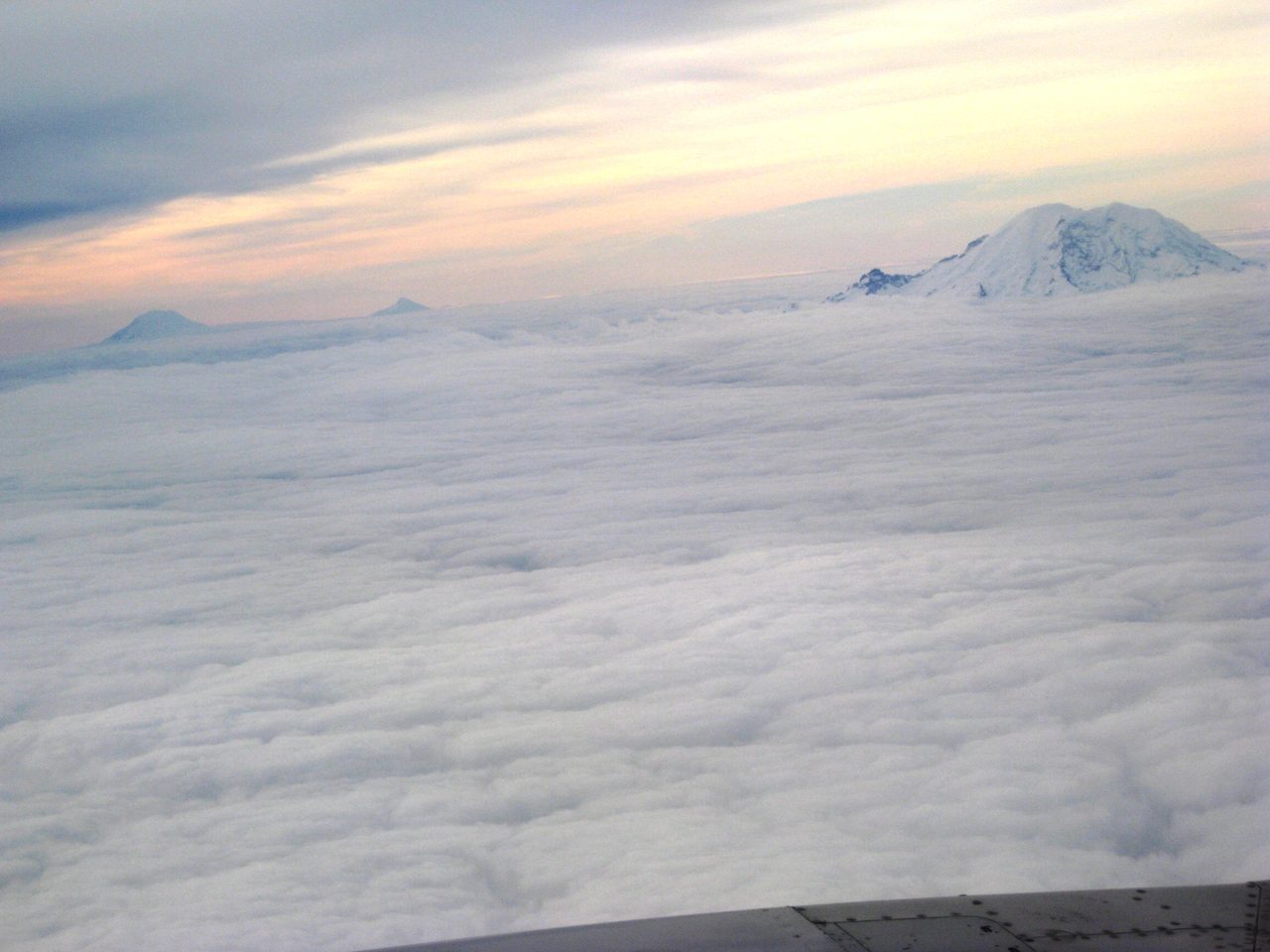
On June 24, 1947, a Boise businessman who sold fire suppression systems took a detour over the Cascades to look for a crashed transport plane with a $5,000 reward on it. Kenneth Arnold came back with nine objects, a timing measurement, and a comparison that a newspaper turned into a phrase the world still uses. He never used the word saucer for their shape. He clocked the formation between two volcanoes, computed a speed he thought nobody would believe, and told a reporter in Pendleton, Oregon that the things moved like a saucer skipped across water. The next day flying saucer was in print, attached to a shape he had not claimed. This is the founding case of the entire modern phenomenon, and our own research file grades it Tier 2 at source confidence 1 out of 5, the lowest of any doc we have built in this wing. Fame is not evidence weight. So here is Arnold at his real strength: what he measured, what he actually said, what the investigators concluded, and what he himself came to believe about those objects later on.
Start with the errand, because the errand is the point. Kenneth Arnold was not sky-watching on June 24, 1947. He was flying a business trip from Chehalis to Yakima, Washington, in a CallAir A-2 light plane, and he took a deliberate detour to hunt for a downed U.S. Marine Corps C-46 transport that carried a $5,000 reward for whoever found it. At around 3:00 p.m., near Mineral, Washington, at roughly 9,200 feet, nine objects crossed in front of him in formation. Everything the modern world says about flying saucers grew out of what happened next.
Here is what this dossier will not do. It will not lend Arnold the confidence of the cases that came after him. Our own research file on this event rates itself Tier 2 at source confidence 1 out of 5, the lowest rating on any file built in this wing, and the Arnold half of that file is thirteen lines of bullets. So most of what follows was verified independently, one source at a time, and in the two places where our file and the public record do not agree, this page says so out loud instead of quietly keeping the version that reads better.
01The Errand Over The Cascades
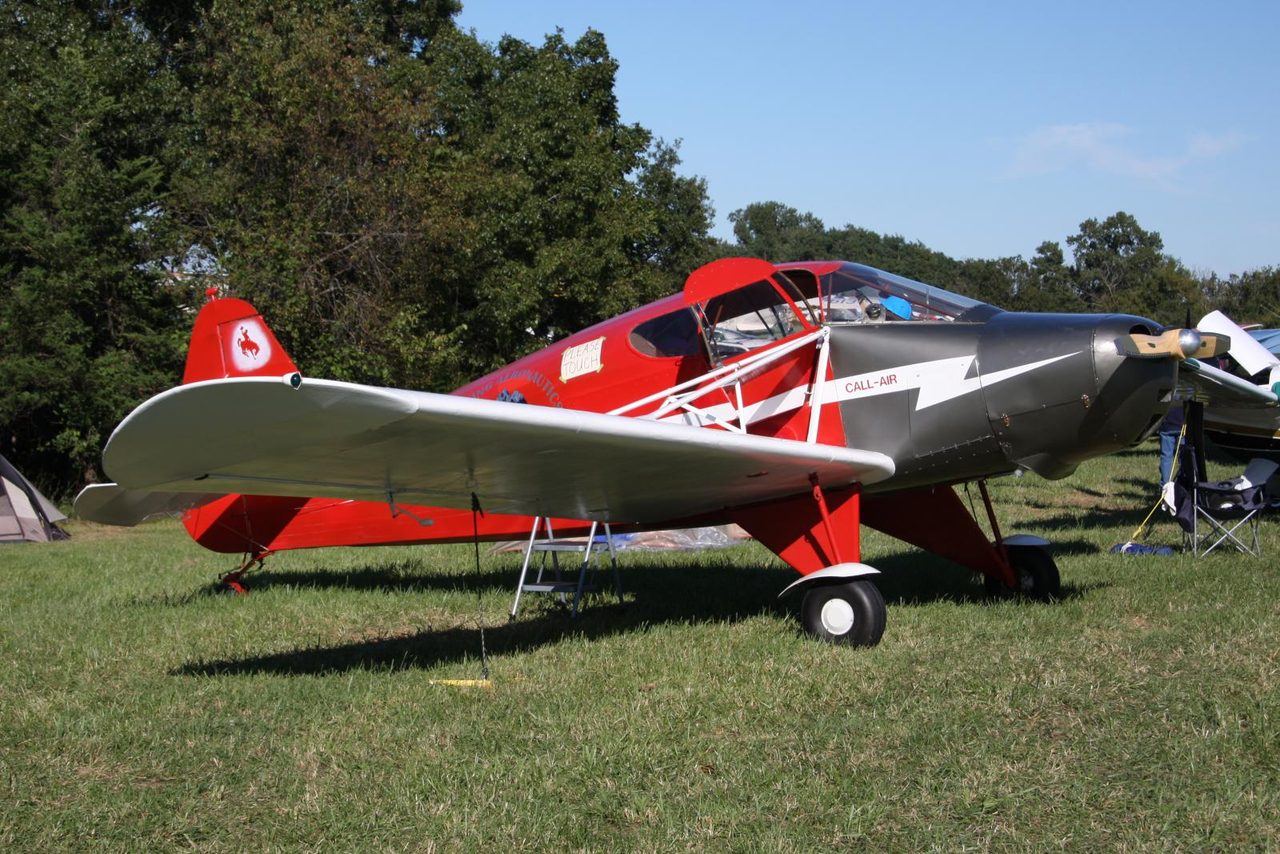
Kenneth Arnold, 1915 to 1984, a private pilot and businessman from Boise, Idaho, was flying a CallAir A-2 near Mount Rainier, Washington on June 24, 1947, searching for a downed C-46 transport, when he observed nine objects flying in formation at high speed.
The man in that cockpit had an ordinary reason to be there. Kenneth Albert Arnold, born March 29, 1915 in Sebeka, Minnesota, founded Great Western Fire Control Supply in Boise, Idaho in 1940, selling and installing fire suppression systems, and he flew all over the Pacific Northwest on that company's business. The plane was small, the route was commercial, and the detour was about money: a lost Marine transport with a reward attached. Nobody in this story went looking for the sky.
02The Measurement
Arnold estimated the objects' speed at approximately 1,200 mph, later revised to roughly 1,700 mph based on distance and time calculations, far exceeding any known aircraft of 1947.
Our file gives you those two numbers and never explains why there are two, which is the single biggest thing missing from it. Here is the answer. Arnold did not eyeball a speed. He timed the formation's passage from Mount Rainier to Mount Adams, a span of roughly 50 miles, at one minute and forty-two seconds. That arithmetic comes out at over 1,700 mph. He then went public with about 1,200 mph, deliberately, because it was the more conservative figure.
Sit with what that actually is. A pilot used two volcanoes as a measured baseline, ran a timing against them, got a number no known aircraft of 1947 could produce, and then published a smaller number than his own arithmetic supported. The gap between 1,200 and 1,700 is not confusion in the record. It is a man shaving his own claim down before anyone else could.
03What He Actually Described
Our file states that Arnold described the objects' shape as crescent or heel-shaped rather than disc-shaped, and described their motion as being like a saucer skipped across water, and that the press transformed that phrase into 'flying saucer.'
The motion point is exactly right and it is the spine of this whole article. The shape summary is not. Arnold's contemporaneous description was mixed, not uniform: he said the objects were 'flat like a pie-pan and somewhat bat-shaped,' and that one of the nine differed from the rest and was crescent-shaped. One in nine. He later clarified, in his own words, that the saucer comparison was about how they moved and not about what they looked like. An article whose entire argument is that the press flattened a witness cannot itself flatten the same witness, so: pie-pan flat, somewhat bat-shaped, one crescent.
04How The Words Got Into Print
Arnold reported the sighting to the East Oregonian newspaper and subsequently to the FBI and the U.S. Army Air Forces.
The specifics matter here more than the summary does. Arnold was interviewed on June 25, 1947 by Bill Bequette of the East Oregonian in Pendleton, Oregon. The phrase 'flying saucer' did not appear that day. It began showing up in newspapers on June 26 and 27, and the sources attribute it to editors rather than to Arnold and rather than to any one named person. So there is a two-day gap between what a pilot said in a small Oregon newsroom and what the country started calling it, and the transformation happened somewhere inside that gap, in a headline process nobody signed.
That is how a metaphor for motion became a claim about geometry. Arnold described how nine objects moved. Editors printed a noun. From that point on, every witness who looked up had a shape supplied to them in advance, and every skeptic had a shape to argue against. Neither the witnesses nor the skeptics were arguing about what Arnold said.
05What The Investigators Concluded
Arnold's account was investigated and he was assessed as credible.
The two Army Air Forces intelligence officers who investigated, Lt. Frank Brown and Capt. William Davidson, concluded that Arnold 'actually saw what he stated he saw.' That is the strongest sentence in the entire case file, and it comes from the men who sat across from him rather than from anyone selling a book.
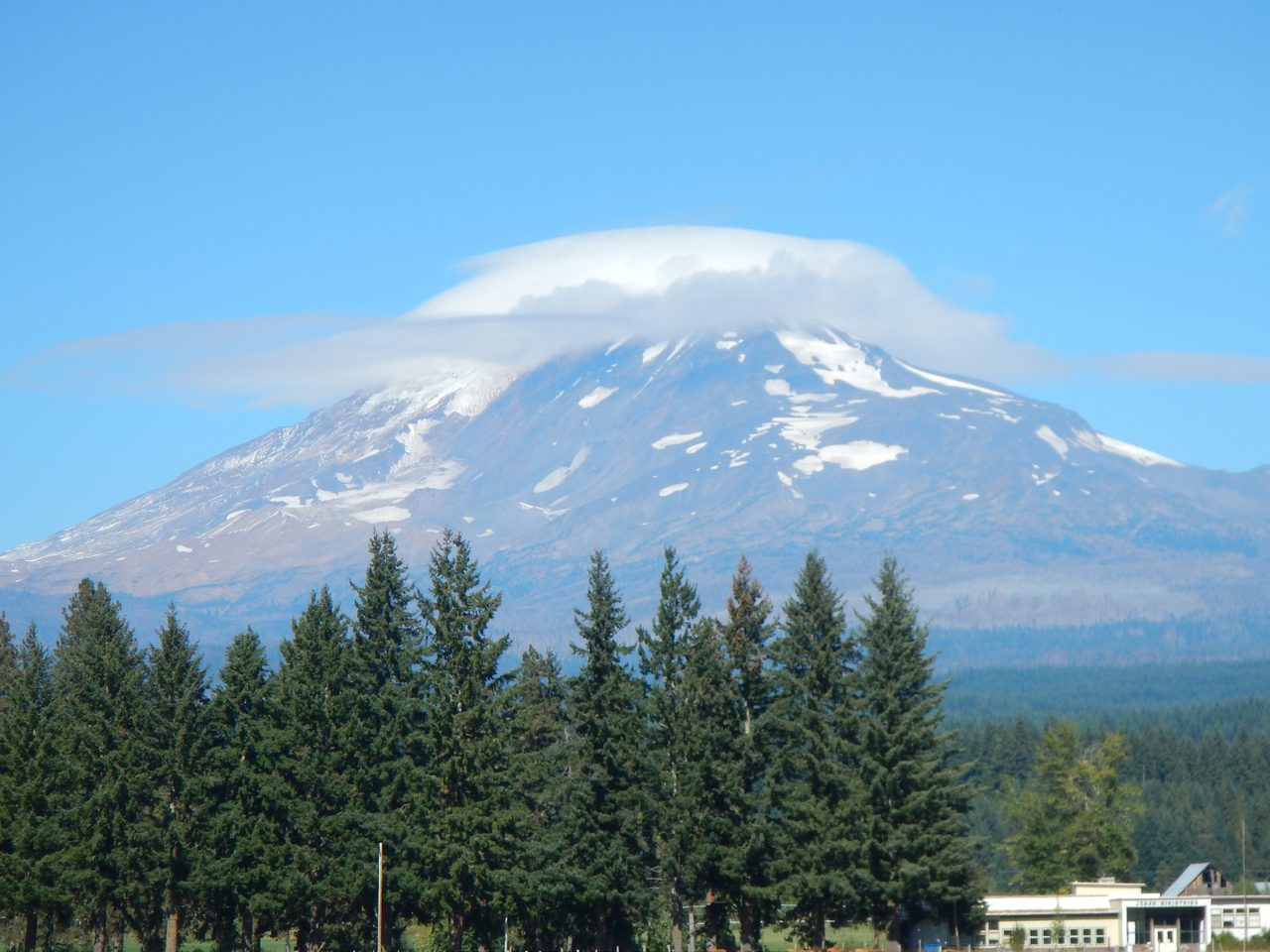
Now the part our file gets wrong by leaving out. It goes further and states, at Tier 1, that the sighting was never satisfactorily explained. The public record does not support carrying that clause unchallenged. The formal Army Air Forces public conclusion attributed the sighting to a mirage, with some accounts naming lenticular clouds forming over the Cascade peaks as the proposed mechanism. Other sources state that the case remains listed as unidentified in the Project Blue Book files. Both statements are in circulation, our research pass could not reconcile them against the primary Blue Book record card, and this page is not going to pick the one that suits the story. The disposition of the founding case of the modern phenomenon is disputed, and that is a real open question a reader can go and check.
What survives the dispute is narrower and harder than either version: the officers who interviewed him believed him, and the service's public explanation was a mirage. Those two things are both true at once, and living with that is the honest position.
06Six Weeks In 1947
850 or more UFO reports were made across the United States in the weeks following Arnold's sighting.
Our file drops that number bare, with no source, inside a Tier 1 section, and a number with no provenance is not evidence, it is furniture. So here is where it comes from. The standard count for the 1947 wave is Ted Bloecher's 1967 study 'Report on the UFO Wave of 1947,' which compiled 853 cases involving 3,283 witnesses, drawn chiefly from 140 newspapers in 90 cities across the United States and Canada and supplemented by NICAP and Project Blue Book files. The wave peaked on July 6 and 7, 1947.
That provenance changes what the figure means, and it changes it in both directions. This is one researcher's count of newspaper reports, assembled twenty years after the summer it describes. It is not a government tally and nobody should quote it as one. It is also a real, specific, methodologically stated piece of work with its own sources named, which is more than most numbers in this field can say. Take it as what it is.
The second famous case of 1947 arrived fourteen days after the first: the Roswell incident of July 7 and 8, 1947, in New Mexico.
Fourteen days. That is the interval between the sighting that gave the phenomenon its name and the debris recovery that gave it its most famous case, and it is the thing worth noticing here, because our Roswell dossier carries that case in full and never mentions Arnold once. Read them side by side and the summer stops looking like two stories. Whatever else 1947 was, it was fast.
| Date | What Happened | Where It Sits |
|---|---|---|
| June 21, 1947 | Harold Dahl and Fred Crisman later claimed an encounter near Tacoma, Washington: the Maury Island incident. | The FBI's own file determined the claims were false. See section 07. |
| June 24, 1947 | Arnold sees nine objects near Mount Rainier and times the formation between Mount Rainier and Mount Adams. | Tier 1 in our file. The timing run is externally verified. |
| June 25, 1947 | Arnold is interviewed in Pendleton, Oregon by Bill Bequette of the East Oregonian. | Externally verified. Our file names neither the reporter nor the date. |
| June 26 and 27, 1947 | The phrase 'flying saucer' begins appearing in newspapers, attributed to editors rather than to Arnold. | Externally verified. The two-day gap is the whole story of the phrase. |
| July 6 and 7, 1947 | The 1947 wave peaks across the United States and Canada. | From Ted Bloecher's 1967 survey, not from a government count. |
| July 7 and 8, 1947 | Debris is recovered near Roswell, New Mexico; the Army announces a 'flying disc' and retracts it within hours. | Tier 1 in our file. The full case is our Roswell dossier, linked below. |
| July 28, 1947 | Raymond A. Palmer, editor of Amazing Stories, wires Arnold $200 to investigate the Maury Island claim. | Externally verified. Absent from our file entirely. |
| August 1, 1947 | Lt. Frank Brown and Capt. William Davidson, the two officers who had concluded Arnold saw what he said he saw, are killed when their B-25 crashes near Kelso, Washington. | Externally verified. A crash that killed two servicemen, and nothing more than that. |
And the institutional answer followed the wave. The 1947 wave prompted the U.S. Army Air Forces to establish Project Sign in 1948, followed by Project Grudge in 1949 and Project Blue Book from 1952 to 1969. Those three desks have their own dossier on this site; what belongs here is only the causal order. A salesman timed nine objects against a mountain, and within a year the United States Air Force had opened a department about it.
07Maury Island: The Second Act
Our research file stops at the sighting and the wave, which means it never tells you what happened to Arnold next. It should, because its own bibliography contains a book about it. Inside six weeks of becoming the most famous witness in the country, Arnold was working for a pulp magazine, chasing a fabrication, and two men were dead.
The sequence: Harold Dahl and Fred Crisman claimed an encounter near Tacoma, Washington on June 21, 1947. Raymond A. Palmer, the editor of Amazing Stories, contacted Arnold after Arnold's own sighting and wired him $200 on July 28, 1947 to go and investigate it. Two Army Air Forces intelligence officers came to collect the material, and on August 1, 1947 they were killed when their B-25 crashed near Kelso, Washington. They were Lt. Frank Brown and Capt. William Davidson, the same two officers who had interviewed Arnold and written down that he saw what he stated he saw.
There is no mystery in that crash, and this page is not going to manufacture one. Two servicemen died in an aircraft accident. What there is, is a hoax. The FBI determined the Maury Island claims were false, and its files record Dahl stating that if questioned by authorities he would say it was a hoax, because he did not want any further trouble. Edward Ruppelt, who later ran Project Blue Book, called it 'the dirtiest hoax in the UFO history.' Arnold and Palmer wrote the episode up as a book, The Coming of the Saucers, published in Boise in 1952, and that book is entry one in our own file's bibliography while the episode itself appears nowhere in the file's text.
This is not a footnote. It is the second act of the story our file builds on, and it cuts both ways. The first credible witness of the modern era was, within five weeks, being paid by a science-fiction editor to investigate something the FBI could show was invented. That does not touch what he measured over the Cascades on June 24. It absolutely touches how a reader should feel about the phrase 'credible witness' doing unaccompanied work in an argument.
08The Explanations On Offer
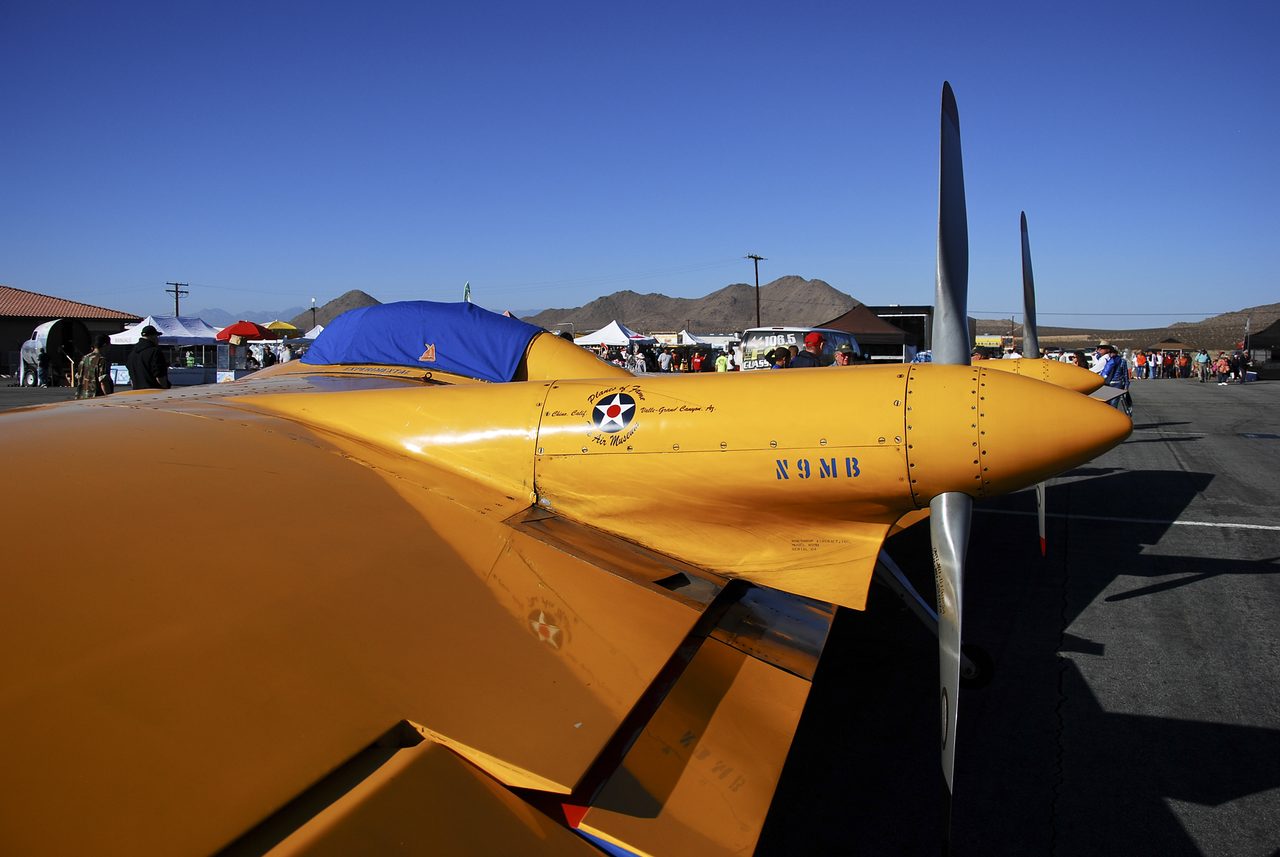
Some analysts have proposed that Arnold observed a formation of experimental flying-wing aircraft, for example Northrop designs. However, no known 1947 aircraft matched the speed or flight characteristics Arnold described.
That rebuttal is our file's own, delivered in the same breath as the hypothesis, and it is the right shape: a real class of aircraft existed, and it does not fit the measurement. Tier 3 means the idea is on the table and unproven, not that it has been ruled out. It is the strongest of the conventional explanations precisely because it does not require Arnold to have been wrong about anything except the speed, and the speed is the one thing he actually measured.
'Arnold Saw Pelicans.' Skeptical analyses proposing that Arnold saw birds are inconsistent with his estimated speed, distance and altitude, and with his experience as a pilot familiar with aerial phenomena. Our file marks this [CONTRADICTED].
Notice which direction that refusal points. Tier 4 is where this library puts the claims that are answered and the answer is no, and it usually gets used on the believers. Here it lands on a skeptical explanation, because the explanation does not survive contact with the numbers. Birds do not cross fifty miles of Cascade air in one minute and forty-two seconds. Grading is not a team sport, and a bad debunk gets refused on the same terms a bad claim does.
One honest limit before we move on. Refusing the pelicans does not identify the objects. Ruling out one explanation never installs another, and nothing in this file tells you what nine things over Mount Rainier were.
09The Hinge, And The Two Archetypes
Before 1947, anomalous aerial phenomena were reported but were not framed as technological craft from elsewhere.
That is the hinge Arnold turns, and it is graded Tier 2 for a reason: it is a reading of a record rather than an event in one. The record before 1947 is real and it is substantial, and it belongs to a different dossier on this site, which already ends where this one begins.
Arnold's sighting created the 'flying saucer' paradigm that shaped all subsequent UFO and UAP discourse.
The sequence Arnold to Hill established the two archetypes, the distant sighting and the close encounter, that define the field.
On September 19 and 20, 1961, Betty and Barney Hill reported an encounter on a rural New Hampshire highway that became the template for the other archetype: a structured craft, roughly two hours of missing time, and detailed memories recovered under hypnosis in 1964 with the psychiatrist Dr. Benjamin Simon. That case has its own dossier here, and it is the one to read for the evidence, the hypnosis problem, and what the record does and does not support. What belongs on this page is only the pairing. Arnold gave the field its distant object. The Hills gave it the close encounter. Almost everything reported since has been sorted into one of those two bins, and both bins were built in a single fourteen-year stretch.
10What Arnold Came To Believe
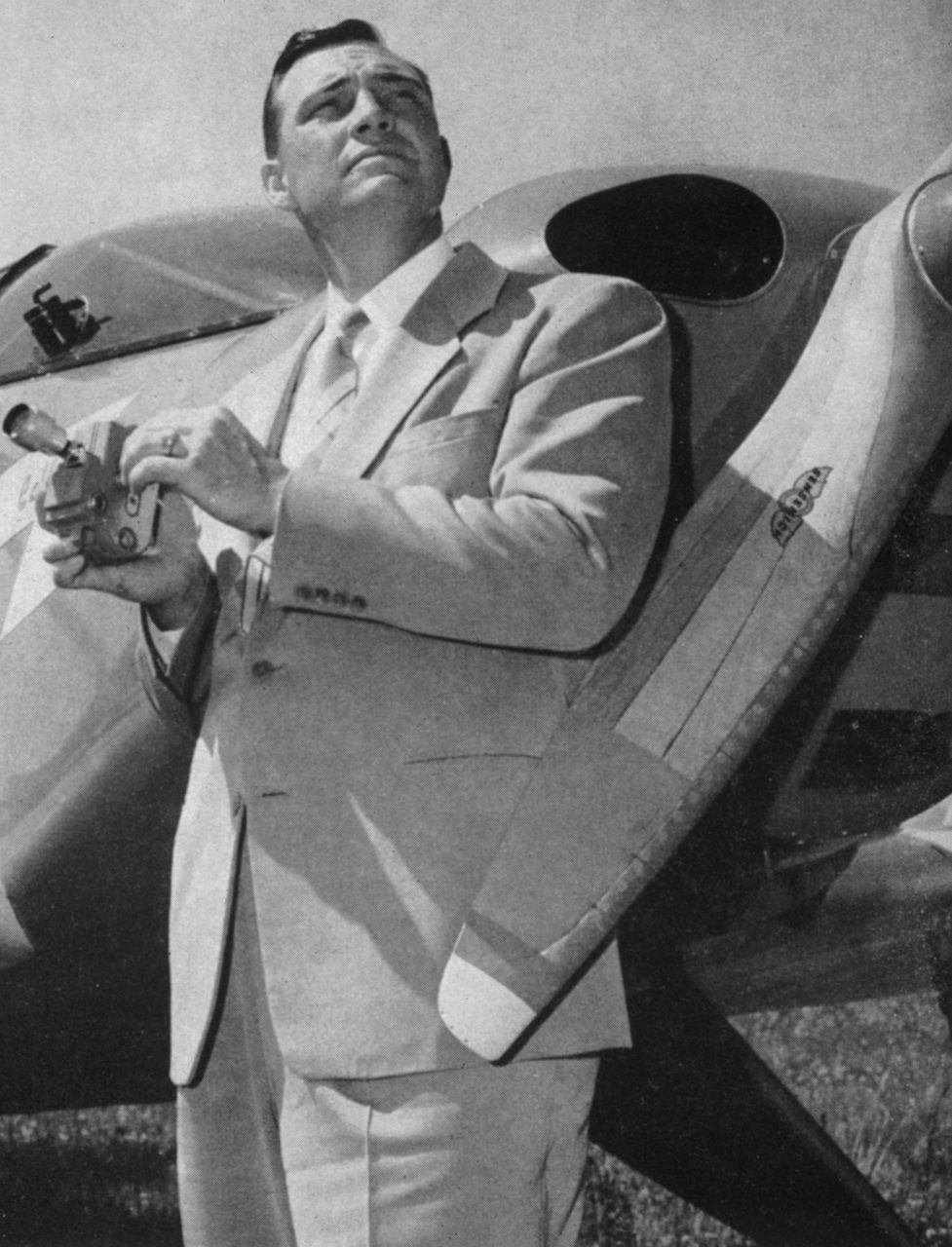
Our file builds its entire Tier 1 case on Arnold as the template credible witness, and then stops in 1947. So a reader is never told the part that matters most about a witness: what he thought he had seen, once he had years to think about it.
Arnold's own interpretation changed substantially over time. By 1955 he was promoting what he called a space animal hypothesis, describing the objects as 'sort of like sky jellyfish.' By 1962 he was arguing that they were 'groups and masses of living organisms' inhabiting the atmosphere and space. That is not an interviewer's characterisation of him. That is the position he took publicly, twice, across seven years.
The same year he made the second of those statements, 1962, he won the Republican nomination for Lieutenant Governor of Idaho and lost to the incumbent Democrat W. E. Drevlow, 114,617 votes to 135,474. He died on January 16, 1984 in Bellevue, Washington, aged 68, of colorectal cancer. Between the sighting and the grave he spent decades defending an account he had never gone looking for publicity with.
Hold both halves at once, because the honest version requires it. Nothing in Arnold's later views retroactively unmakes a timing run between two mountains in 1947, and nothing in that timing run obliges anyone to follow him to sky jellyfish. A witness is allowed to be right about what he measured and unpersuasive about what it was. Our file keeps only the flattering half, and a file that keeps only the flattering half is not a file, it is a brochure.
Fast Facts
- The Man
- Kenneth Albert Arnold, born March 29, 1915 in Sebeka, Minnesota, died January 16, 1984 in Bellevue, Washington, aged 68, of colorectal cancer. Founded Great Western Fire Control Supply in Boise, Idaho in 1940, selling and installing fire suppression systems.
- The Flight
- A CallAir A-2 on a business trip from Chehalis to Yakima, Washington, June 24, 1947, with a deliberate detour to search for a downed U.S. Marine Corps C-46 transport carrying a $5,000 reward. The sighting came at about 3:00 p.m. near Mineral, Washington, at roughly 9,200 feet.
- The Measurement
- Arnold timed the formation from Mount Rainier to Mount Adams, roughly 50 miles, at one minute and forty-two seconds, which computes to over 1,700 mph. He deliberately reported the more conservative figure of about 1,200 mph publicly.
- The Description
- Mixed, not uniform: 'flat like a pie-pan and somewhat bat-shaped,' with one object of the nine differing from the rest and being crescent-shaped. He later clarified that 'saucer' referred to how they moved.
- The Phrase
- Arnold was interviewed on June 25, 1947 by Bill Bequette of the East Oregonian in Pendleton, Oregon. 'Flying saucer' began appearing in newspapers on June 26 and 27, attributed to editors rather than to Arnold.
- The Investigators
- Lt. Frank Brown and Capt. William Davidson, the two Army Air Forces intelligence officers who investigated, concluded that Arnold 'actually saw what he stated he saw.'
- The Disposition
- Disputed, and left disputed here. The formal Army Air Forces public conclusion was a mirage, with some accounts naming lenticular clouds over the Cascade peaks; other sources state the case remains listed as unidentified in the Project Blue Book files. Our research pass could not resolve the two against the primary record card.
- The Wave
- Ted Bloecher's 1967 study 'Report on the UFO Wave of 1947' compiled 853 cases involving 3,283 witnesses from 140 newspapers in 90 cities across the United States and Canada, plus NICAP and Project Blue Book files. Peak: July 6 and 7, 1947. A private survey, not a government count.
- Maury Island
- Harold Dahl and Fred Crisman's claimed June 21, 1947 encounter near Tacoma, Washington, which Raymond A. Palmer paid Arnold $200 to investigate on July 28, 1947. The FBI determined the claims were false; its files record Dahl saying he would call it a hoax. Edward Ruppelt called it 'the dirtiest hoax in the UFO history.'
- The Cost
- Lt. Frank Brown and Capt. William Davidson were killed when their B-25 crashed near Kelso, Washington on August 1, 1947, while carrying Maury Island material. A crash, and nothing more.
- What He Later Believed
- By 1955 Arnold was promoting a space animal hypothesis, calling the objects 'sort of like sky jellyfish.' By 1962 he argued they were 'groups and masses of living organisms' inhabiting the atmosphere and space.
- Our Own Confidence
- The research file behind this dossier rates itself Tier 2 at source confidence 1 out of 5, the lowest rating on any file built in this wing, across a 14-entry bibliography.
So What Did Kenneth Arnold Actually See?
The documented spine is genuinely solid, and it is more solid than the phrase 'flying saucer' has ever let it look. On June 24, 1947 Arnold flew a CallAir A-2 from Chehalis toward Yakima, detoured to look for a downed C-46 with a $5,000 reward on it, and near Mineral, Washington at roughly 9,200 feet observed nine objects in formation. He timed them between Mount Rainier and Mount Adams, roughly 50 miles, at one minute and forty-two seconds, computed over 1,700 mph, and published about 1,200 mph as the conservative figure. He reported it to the East Oregonian, then to the FBI and the Army Air Forces. Bill Bequette interviewed him on June 25; the phrase reached newsprint on June 26 and 27, from editors. Lt. Frank Brown and Capt. William Davidson concluded he 'actually saw what he stated he saw.' A wave followed, the standard count for it is Ted Bloecher's 853 cases, Roswell came fourteen days later, and Project Sign opened in 1948. All of that holds. One Tier 1 clause in our own file does not hold at Tier 1, and this page will not carry it as one: that the sighting was never satisfactorily explained. The service's public verdict was a mirage, and the archival disposition is disputed.
The interpretive claims stay exactly where our file puts them, at Tier 2, and they should not be quietly promoted just because they are the ones everybody repeats. That Arnold's sighting created the 'flying saucer' paradigm which shaped all subsequent UFO and UAP discourse. That before 1947 anomalous aerial phenomena were reported but were not framed as technological craft from elsewhere. That the sequence Arnold to Hill established the two archetypes, the distant sighting and the close encounter, that define the field. Each of those is a reading of a culture rather than a documented event. Credible, well argued, and not the same kind of thing as a timing measurement.
One conventional explanation stays alive without being confirmed. Some analysts have proposed a formation of experimental flying-wing aircraft, for example Northrop designs. Our file carries its own rebuttal in the same bullet: no known 1947 aircraft matched the speed or flight characteristics Arnold described. That leaves it exactly where Tier 3 belongs, on the table and unproven, and it is the best of the conventional candidates because it asks you to doubt only one thing, the measurement.
And here the refusal runs the other way, which is rarer and worth landing cleanly. Our file marks 'Arnold Saw Pelicans' [CONTRADICTED]: the bird explanation is inconsistent with the estimated speed, distance and altitude, and with Arnold's experience as a pilot familiar with aerial phenomena. That is a no, and it is a no aimed at a skeptical claim rather than a believer's. A second no belongs beside it from outside the file: Maury Island was a hoax, established by the FBI's own determination and by Dahl's recorded statement that he would call it one. Neither of those is an open question. Refusing them, though, identifies nothing. Nine objects over Mount Rainier are still nine objects over Mount Rainier.
So what do you do with a witness like Kenneth Arnold? He was flying a sales route with a reward on his mind. He made a measurement against two mountains instead of guessing. He gave the press a smaller number than his own arithmetic supported. Two intelligence officers sat across from him and wrote down that he saw what he said he saw, and five weeks later both of them were dead in an aircraft accident on their way back from a hoax. He never called their shape a saucer, the country printed one anyway, and he spent his later years arguing the things had been alive. All of that is one man, and our own file, at 1 out of 5 for source confidence, keeps only the flattering third of him. Two questions are still genuinely open, and both of them are checkable by anyone willing to open a scanned file. What does the Project Blue Book record card for June 24, 1947 actually say on its disposition line, mirage or unidentified? And if it says mirage, what exactly did Brown and Davidson think they were writing down instead?
Sources & further reading
Everything above is drawn from our research library on Theories of Anything, which is where we worked from. The papers, reports and primary records listed beneath them are where you can check us independently.
Image credits
- Mount Rainier, Mount Adams and Mount Hood from the air brewbooks (Flickr, near Seattle, USA), via Wikimedia Commons. CC BY-SA 2.0 Source.
- CallAir A-2, preserved example Armchair Aviator's (D. Miller), via Wikimedia Commons. CC BY 2.0 Source.
- Lenticular cloud over Mount Adams, 2014 USDA Forest Service, Region 6, State and Private Forestry, Forest Health Protection; photographer Ben Smith, via Wikimedia Commons. Public domain (U.S. Department of Agriculture) Source.
- Northrop N-9M flying wing, preserved Tomás Del Coro, Las Vegas, Nevada, USA, via Wikimedia Commons. CC BY-SA 2.0 Source.
- Kenneth Arnold, 1947 press portrait Associated Press, via Wikimedia Commons. Public domain (U.S., copyright not renewed) Source.
- Card crop of Mount Rainier, Mount Adams and Mount Hood from the air brewbooks (Flickr, near Seattle, USA), via Wikimedia Commons. CC BY-SA 2.0 Source.
.jpg)
.jpg)
.jpg)
.jpg)
