500 Flood Myths Can't All Be Wrong
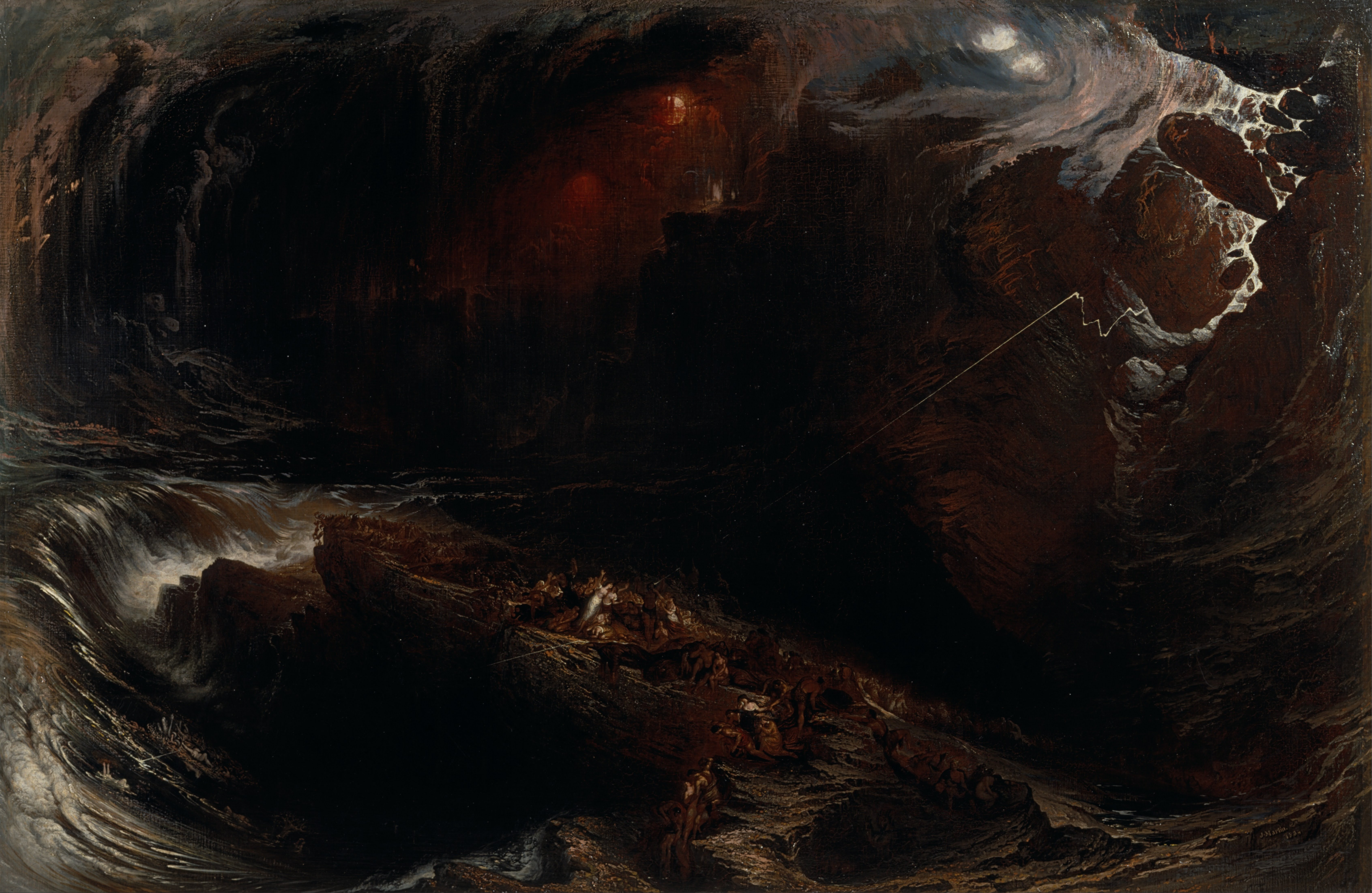
Ziusudra rides out the storm in Sumer. A fish tows Manu to a Himalayan peak. Yu the Great does not build a boat at all, he spends thirteen years digging the floodwaters back into the sea. The same catastrophe surfaces on every inhabited continent, in traditions that never met, and the document that gathers them opens with a number it never sources: over 500. Some of these floods leave real marks, a dated dam-burst on the Yellow River, a drowned coastline Aboriginal Australians still describe correctly. One thing the water does not do is cover the whole planet at once. Here is the file, every claim wearing its evidence.
Start with the water everywhere at once. In southern Iraq, a king named Ziusudra rides out a seven-day storm and is granted eternal life. In the Himalayas, a fish tows Manu and the seeds of everything living to a mountaintop. In China, Yu the Great does not build a boat at all, he spends thirteen years digging the floodwaters back into the sea. In Mesoamerica, in the American Southwest, across the Pacific, in the Australian desert, in West Africa, the same catastrophe keeps arriving in traditions that had no way to reach each other. The research document that gathers them opens with a single line: over 500 independent flood traditions exist worldwide. It is an arresting number, and it is worth saying plainly at the start that the document never sources it, not once, in any of its thirteen references. So we will treat 500 as this file's working figure and its hook, not as a counted fact, and spend the rest of the file on the better question underneath it. Not how many floods were remembered, but which of them were real, and whether any single one of them was the Flood.
01The Oldest Flood On Record
The oldest written flood story we can actually read is Sumerian. It is the Eridu Genesis, known from copies dated to roughly 1600 BCE though the underlying story is older, and its hero is Ziusudra, whose name means 'life of long days.' The god Enki, forbidden to warn anyone, gets around the decree of secrecy by speaking through a reed wall while Ziusudra listens on the other side. The stated reason for the flood is not human wickedness but the noise of mankind disturbing the gods, an overpopulation complaint rather than a moral one. The storm lasts seven days and seven nights; afterward Ziusudra sacrifices to the gods, is granted immortality, and is settled in Dilmun, a paradise land sometimes identified with Bahrain. The setting is southern Mesopotamia, modern Iraq.
The Akkadian Atrahasis Epic, around 1700 BCE, tells the same story with a sharper edge. Its hero is Atrahasis, 'extremely wise,' and again Enki warns him through a reed wall. The cause is Enlil's anger at humanity's noise, meaning its population growth, and the gods try plague, then drought, then famine before they resort to the flood. The vessel here is a circular boat, a coracle sealed with bitumen, and the storm lasts seven days. What makes Atrahasis distinct is its ending: Enlil is furious to find survivors at all, Enki argues for humanity's preservation, and the gods then introduce birth control and natural death specifically to keep the human population down in the future. It is a flood myth with a built-in population-control resolution the other Mesopotamian versions do not have.
The most elaborate Mesopotamian telling is Tablet XI of the Babylonian Epic of Gilgamesh, its core material dating to about 2100 BCE and its standard version to about 1200 BCE. The flood hero is Utnapishtim, 'he found life,' warned once more by Ea (Enki) through a reed wall. His boat is a cube, 120 cubits on every side, seven decks divided into nine sections, sealed with bitumen, carrying his family, craftspeople, and the seed of all living creatures. The storm runs six days and seven nights; the boat grounds on Mount Nimush, possibly modern Pir Omar Gudrun in Iraqi Kurdistan. He sends out a dove and a swallow, which return, then a raven, which does not, and he and his wife are granted immortality at the mouth of the rivers. This is the single fullest flood narrative in the document, and it has a dossier of its own coming in this wing; here it is one Mesopotamian voice among three.
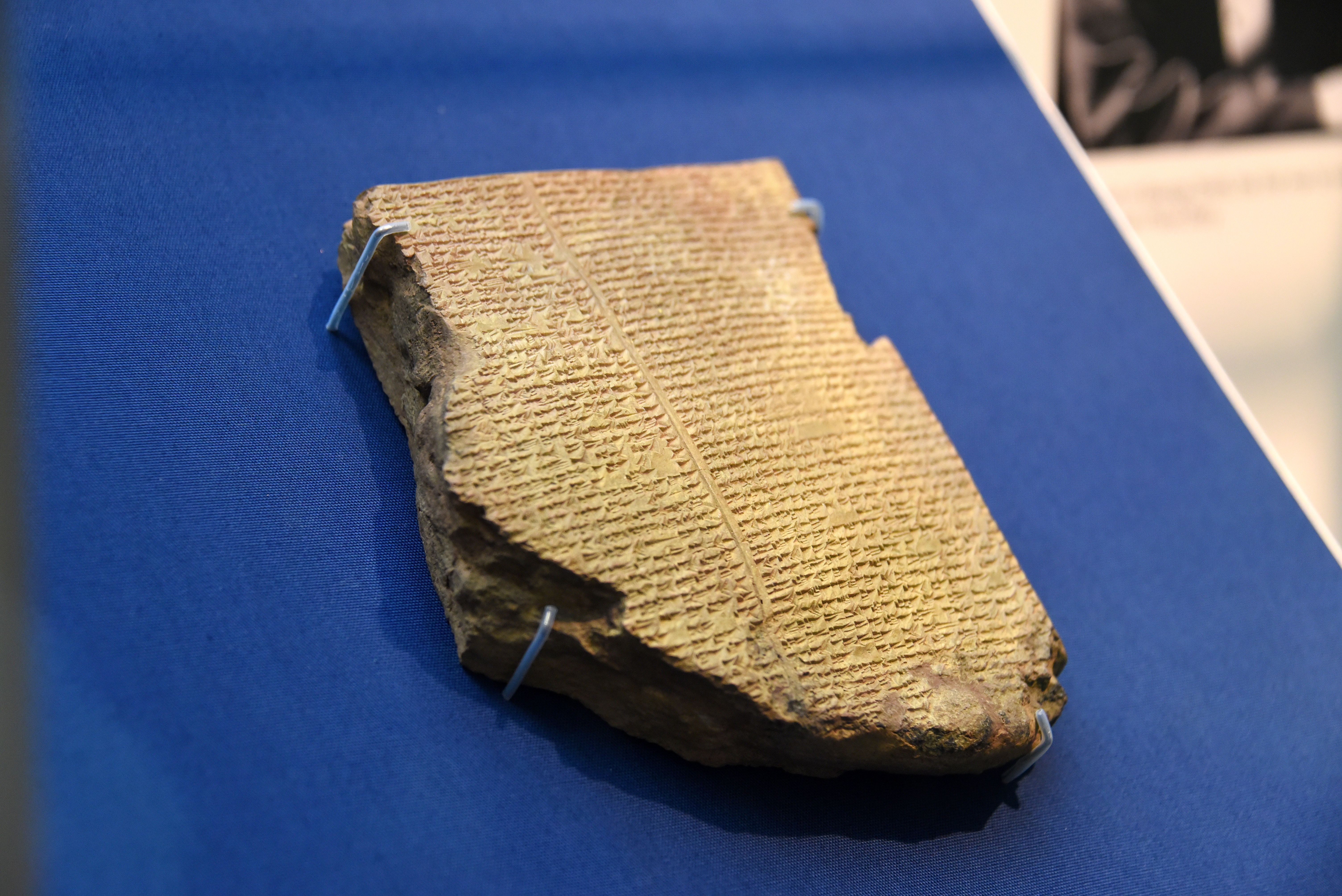
The document draws the comparison itself, and it is worth stating as its own finding. The Sumerian version is the oldest written flood narrative. All three Mesopotamian accounts share the same three moves: the Enki or Ea warning delivered through a reed wall, the divine anger at human noise, and the immortality granted to the hero once the water goes down. That is not three unrelated stories that happen to rhyme. It is one story told three times across a thousand years in one region.
02Noah, And The Mountain That Isn't Ararat
The account most readers know is Genesis 6 to 9, and it differs from the Mesopotamian stories in exactly the places that matter. Noah is warned directly by God, with no reed wall in between. The reason is explicitly moral: the wickedness of man was great, and the earth was filled with violence. The strange passage of Genesis 6:1 to 4, the Nephilim, the sons of God mating with the daughters of men, sits immediately before the flood decision in the text's own sequence, and it is the direct subject of our Book of Enoch dossier. The Ark measures 300 by 50 by 30 cubits, roughly 450 by 75 by 45 feet, three decks, pitched inside and out; aboard are Noah, his wife, his three sons Shem, Ham, and Japheth, their wives, and pairs, or in some cases sevens, of the animals. Rain falls forty days and nights, the water prevails 150 days, the whole ordeal takes about a year. The Ark lands in the mountains of Ararat, the Urartu region of eastern Turkey and Armenia; a raven is sent first, then a dove three times, the last of which does not return. God seals a covenant with a rainbow, Noah plants a vineyard, and humanity begins again. The dating varies by chronology, roughly 2348 BCE by Ussher, roughly 3168 BCE by the Septuagint. That the Mesopotamian flood is more than a thousand years older than this one is the subject of our Sumerian tablets dossier.
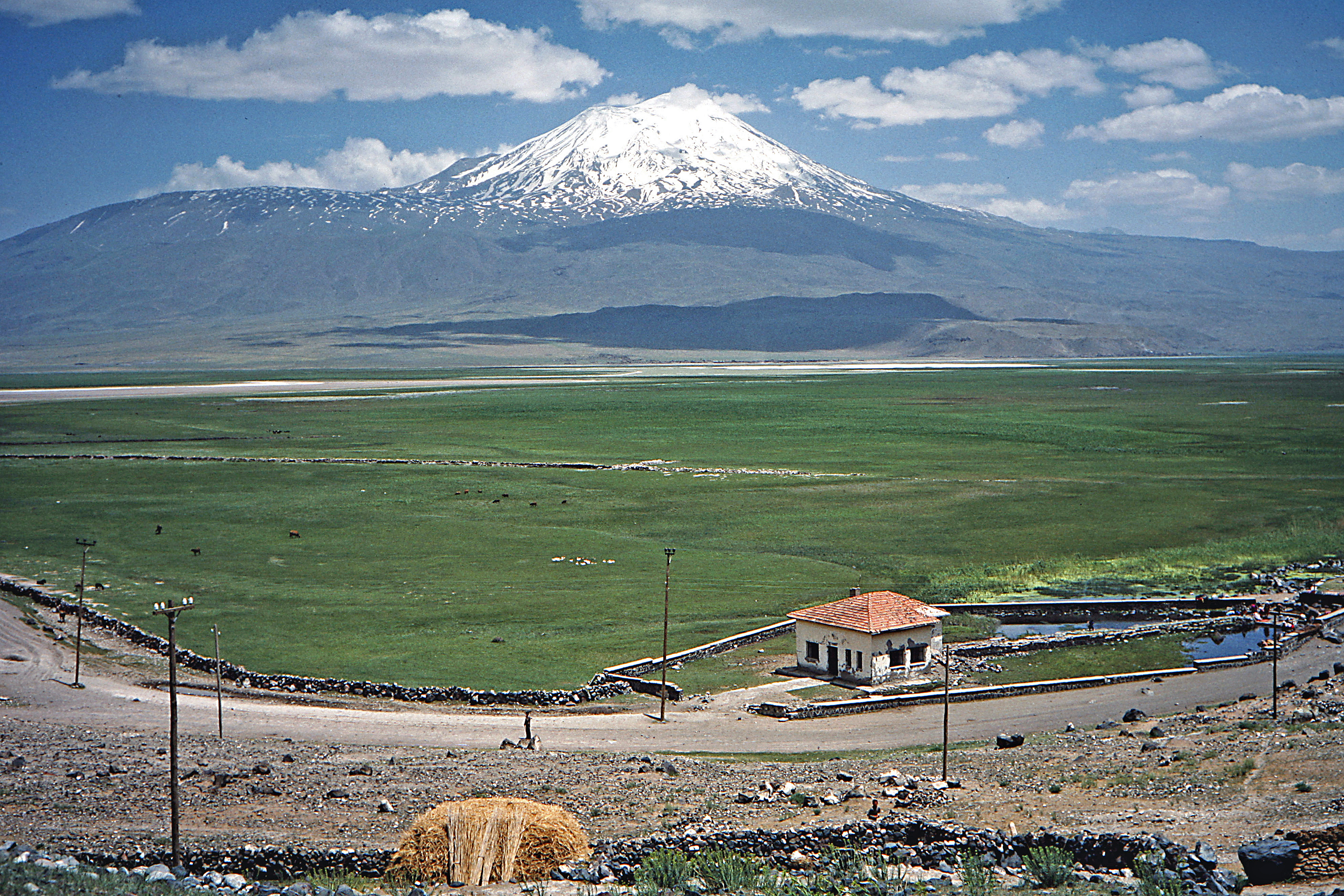
The Quran gives the flood a third landing. Its prophet-hero is Nuh, Noah, treated in a whole chapter, Surah 71, and referenced across nine more. The reason is that his people rejected his preaching for 950 years. His passengers are the believers, not only his family, together with every pair of animals, and in a pointed departure from Genesis, Nuh's own son refuses to board and drowns. The crucial detail is the landing site. The ark comes to rest not on Ararat but on Mount Judi, Cudi Dagi in southeastern Turkey, a different mountain entirely. Three traditions, three named summits.
Lay the Mesopotamian and Biblical versions side by side and the shared skeleton is unmistakable: a hero warned by a divine being, a vessel built to survive, a sacrifice after landing, and a divine sign that ends it, a lapis lazuli necklace in Gilgamesh, a rainbow in Genesis. So are the differences: the reason (noise versus wickedness), the boat (cube or coracle versus rectangle), the duration (about two weeks versus about a year), the landing site, which birds go out and in what order, and the hero's fate, since Utnapishtim becomes immortal while Noah dies at 950. The comparison itself is solid, documented text against documented text.
One inference the document draws from all this is worth flagging as an inference, not a finding. The three Near Eastern landing sites, Ararat in the Bible, Judi in the Quran, and Nimush in Gilgamesh, all fall within roughly 500 km of each other in modern Turkey, Iraq, and Kurdistan. The document suggests this clustering points to either a common origin for the three traditions or a single real event somewhere in that region. That is a reasonable thing to wonder, but it is a suggestion the geography invites, not a conclusion the evidence forces, and the document itself frames it exactly that carefully.
03Manu's Fish, And A Drowned Tamil Land
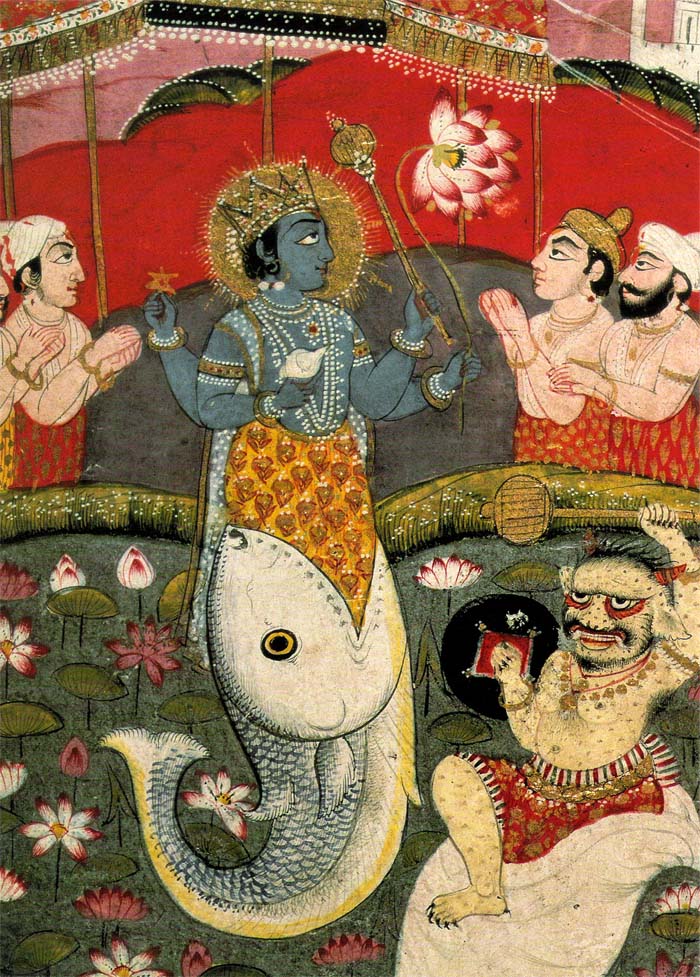
India's flood breaks the moral frame. In the Shatapatha Brahmana and the Matsya Purana, roughly 800 to 300 BCE, the hero is Manu, specifically Vaivasvata Manu, the seventh Manu of the current cosmic age. He is warned by Matsya, an avatar of Vishnu in the form of a fish, and the reason for the flood is not sin but cosmology, the ending of a yuga or kalpa cycle. His great boat, tied in some versions to the fish's horn, carries the Seven Sages, the seeds of all living things, and the Vedas themselves, and it comes to rest on a peak in the Himalayas. Afterward Manu sacrifices, a woman appears to help him repopulate the earth, and the cycle turns over. The document notes a haunting parallel of its own: Manu is the sole survivor who restarts humanity, his name is the root of the word man across the Indo-European languages, and he stands in the same slot as Noah, Ziusudra, and Deucalion.
A separate Tamil tradition remembers a lost land rather than a survivor. Kumari Kandam is described as a landmass south of India, swallowed by the sea, and Tamil Sangam literature references three ancient literary academies, the first two of which were destroyed by floods, tied to an advanced civilization predating recorded history. That the tradition exists and says this is well attested.
The connection some researchers draw is the speculative part. The document reports that researchers link the Kumari Kandam tradition to the real flooding of the Sunda Shelf at the end of the last Ice Age, but it attaches no name or citation to those researchers, so the link stays a suggestion rather than a demonstrated fact. The actual submerged Southeast Asian landmass behind that idea has a dossier of its own, our Sundaland file, and the geology lives there, not here.
04Deucalion's Chest, Yima's Enclosure
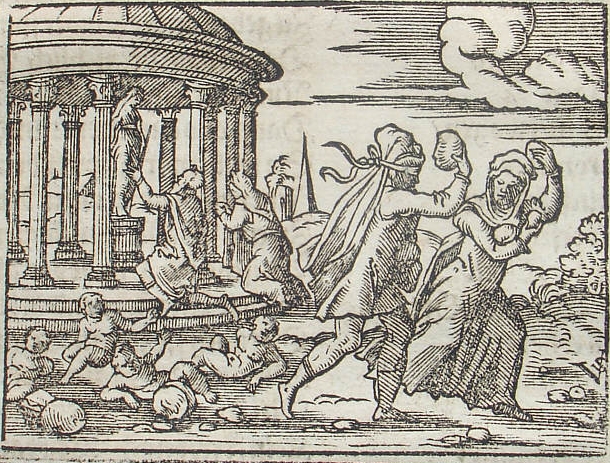
Greece has two floods, not one. In the better-known story, Deucalion, son of Prometheus, and his wife Pyrrha are warned by Prometheus that Zeus means to wipe out the corrupt Bronze Age humanity. They ride out the rain, nine days and nights, in a chest, a larnax, that grounds on Mount Parnassus, though some sources name Othrys or Etna. Then the couple throw the bones of their mother behind them, understood as stones, the bones of the earth-goddess Gaia, and the stones become new people. Greek chronographers dated this to roughly 1529 BCE. But there is an older Greek deluge too, the flood of Ogyges, a legendary king dated by some ancient writers to roughly 1796 BCE and called by Varro the oldest of the Greek floods. That the ancients themselves treated the Ogygian and Deucalion floods as two separate events, centuries apart, is a small detail with a large implication, and we come back to it.
Persia keeps the survivor and drops the flood. In Zoroastrian tradition, Yima, also called Jamshid, the king of the golden age, is warned by Ahura Mazda not of a deluge but of a great winter. He builds a vara, a walled enclosure, and inside it he shelters the best of humans, animals, and seeds until the world can be renewed. The document notes what is obvious once you see it: this is Noah's Ark and Manu's boat in a different climate. A divinely warned leader builds an enclosure to carry life through a catastrophe, even when the catastrophe is ice rather than water.
05China: A Broken Sky, And A King Who Fought The Water
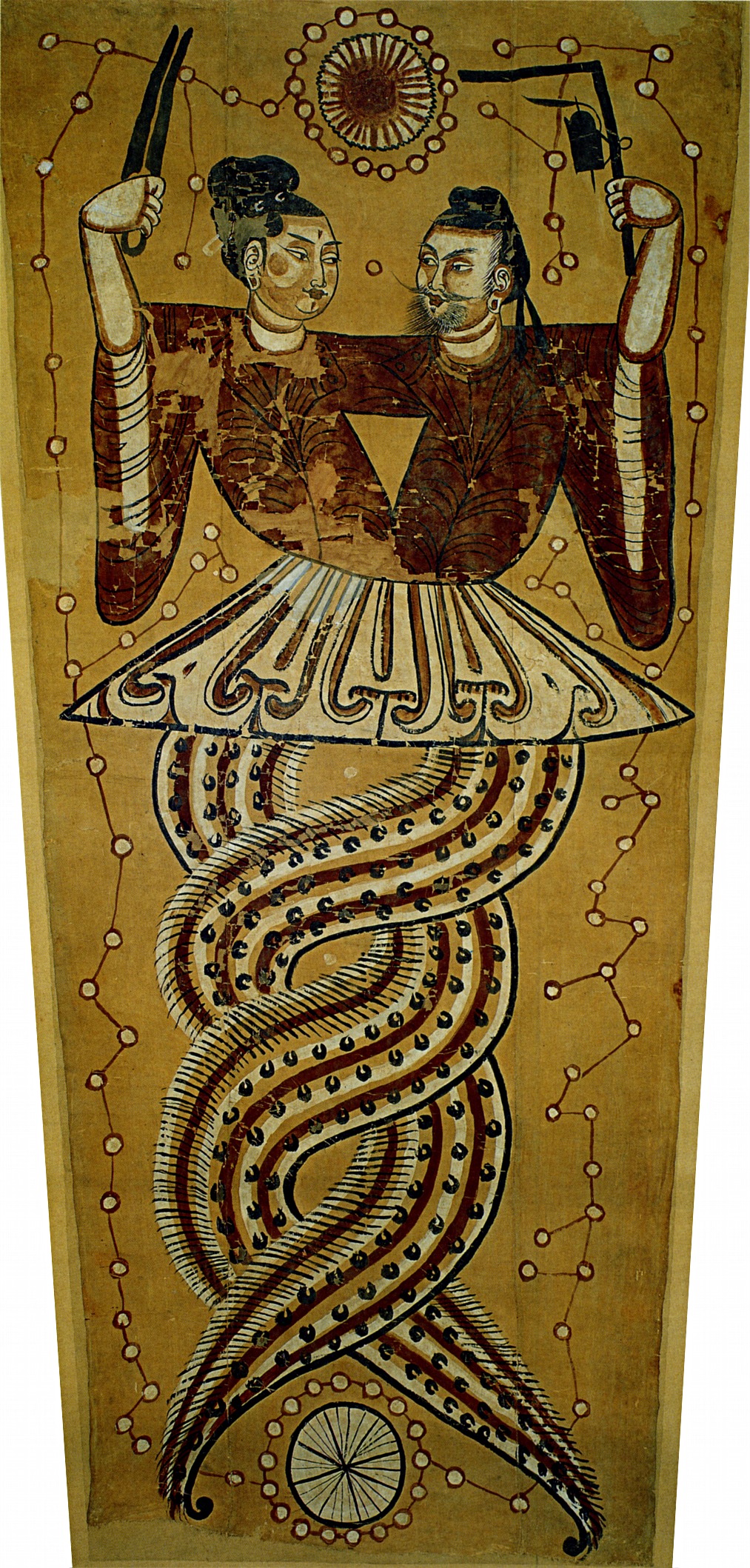
One Chinese flood begins in heaven. The water god Gonggong, in a rage, rams Mount Buzhou, a pillar of the sky, and the break unleashes flood and fire across the world. The goddess Nuwa, a being with a human head and a serpent's body, repairs the damage: she smelts five-colored stones to patch the sky, cuts the legs off a giant turtle to prop up the four corners of heaven, gathers reed ashes to dam the floods, and slays a black dragon. The same Nuwa is separately credited as the maker of humanity, forming people out of yellow clay. The sources are the Huainanzi of 139 BCE, the Liezi, and the Fengsu Tongyi of about 195 CE.
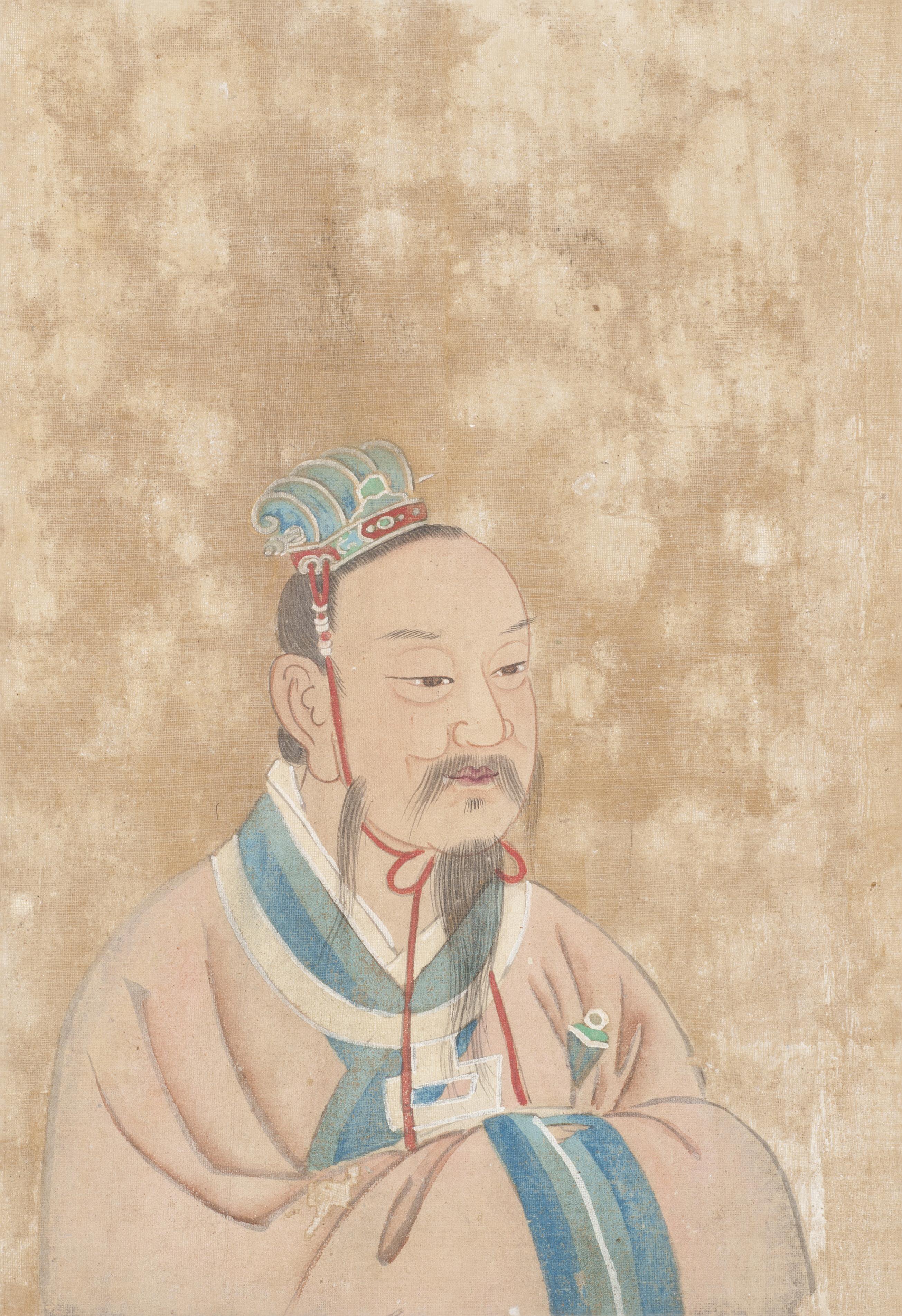
The other Chinese flood hero is the one who does not run. Yu the Great, traditionally dated to around 2200 BCE, is unique among the world's flood figures because his story is about controlling the water, not surviving it. His father Gun spent nine years trying to dam the floods and failed; Yu worked thirteen years channeling them instead, dredging waterways to carry the water off, in some tellings helped by a dragon dragging its tail to cut the channels. His success is credited with founding the Xia Dynasty, around 2070 BCE, China's traditional first dynasty. And here the document offers its single strongest link between a named myth and a dated event.
In 2016 a study in the journal Science, led by Wu Qinglong, identified geological evidence of a genuine, massive flood on the Yellow River around 1920 BCE, caused when a landslide dam burst at Jishi Gorge. The dam had backed up a lake roughly 200 meters above the riverbed, and its failure released between 12 and 17 cubic kilometers of water, the largest known freshwater flood of the past 10,000 years. This is not folklore. It is dated, published, replicated field geology.
What the study proposes on top of that finding is a step further, and a more careful one. Its authors note that the roughly 1920 BCE date aligns reasonably well with the traditional Xia founding around 2070 BCE, and argue that this outburst flood could be the real historical basis for the Great Flood of Yu. That is a credible, attractive argument, and it is the study authors' own interpretation, not an independently settled fact. A real dated flood in roughly the right place at roughly the right time is strong circumstantial fit; it is not the same thing as proof that this flood is that myth.
06The Americas: Wooden People And Hollow Reeds
In the Maya Popol Vuh, the flood is a quality-control failure. The first humans, made of wood, are inadequate, so the gods, Heart of Sky and Huracan, destroy them in a flood, and the survivors become monkeys. Then Q'uq'umatz, the Feathered Serpent, makes the current humanity out of maize. The Feathered Serpent himself, across Mesoamerica, is a figure large enough to need his own dossiers, and this article meets him only in this narrow flood-aftermath role as a creator; his wider story belongs to those files.
The Aztec and Nahua version sets the flood inside a cosmic clock. The Fourth Sun age, Nahui Atl, 'Four Water,' ends in a flood that lasts 52 years. Two survivors, Nene and Tata, ride it out hidden inside a hollow log, and Quetzalcoatl then creates the current Fifth Sun humanity. Same note as the Maya story: the god appears here only as the maker who comes after the water.
The Hopi keep the flood inside a cycle of worlds. Successive worlds are destroyed and replaced; the present one is the Fourth World, reached by climbing up through a hollow reed. When the flood ended the world before this one, Spider Grandmother preserved the faithful by sealing them inside hollow reeds to ride it out. The reed, the vessel, the chosen survivors: the pattern holds, in a tradition with no contact with the Near East.
07The Pacific: A Whale And A Mountain
The Pacific carries two clean variations on the theme. In Hawaii, a great flood covers all the land, and the hero Nu'u builds a great vessel that comes to rest on Mauna Kea, the tallest mountain in the islands. In Aotearoa, the Maori tell of Ruatapu, who in his fury at his father causes a great flood as a punishment, and of the hero Paikea, who survives it by riding a whale to safety. An ark and a mountain in one telling, a rescuing animal in the other, the same disaster answered two ways.
08Australia: The Oldest Story We Can Actually Check
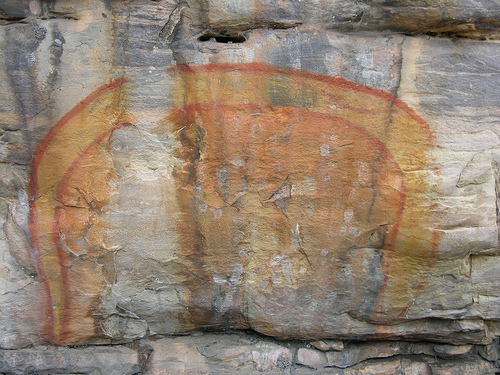
Australian Aboriginal traditions describe the Rainbow Serpent bringing catastrophic floods as punishment for broken law, reshaping the land as it goes. The detail that sets it apart from every ark story is that here the serpent does not send the water, the serpent is the water. It is the flood itself, given a body and a will.
And this is where a flood tradition stops being folklore and starts being testable memory. A 2015 study by Patrick Nunn and Nicholas Reid, published in Australian Geographer, documented 21 distinct Aboriginal oral traditions that describe coastlines changing in ways consistent with the geological record of post-glacial sea-level rise, roughly 7,000 to 10,000 years ago, with especially close alignment in the Gunditjmara region of western Victoria. Their conclusion is stated plainly: these are among the oldest verifiable oral histories in the world. This is the strongest single piece of evidence in the whole document, because it shows a real, specific, ancient environmental change surviving accurately in spoken memory across hundreds of generations. Not a metaphor. A drowned coastline, remembered right.
09Africa, In Six Traditions
The document catalogs six African flood traditions without a synthesizing claim over them, and without any geological dating attached. Among the Mande of West Africa, a blacksmith's hammer raises mountains as refuge from a flood that covers the earth. Among the Yoruba of Nigeria, Obatala causes a flood and Oduduwa descends to restore order, with survivors reaching high ground. Among the Masai of East Africa, a righteous man named Tumbainot is warned by God, builds a vessel, and saves his family and his animals. Around Lake Victoria, the Kwaya tell of an ark-like vessel that saves the righteous from a great flood. The Zulu of South Africa hold traditions of a great flood in ancestral time, and Berber communities across North Africa carry flood traditions of their own. Six more entries in a global ledger, each attested as a tradition, none of them dated to an event.
| Tradition | Flood Hero | Warned By | Vessel Or Refuge | Where It Ends |
|---|---|---|---|---|
| Sumerian (Eridu Genesis) | Ziusudra | Enki, through a reed wall | A great boat | Immortality in Dilmun |
| Babylonian (Gilgamesh XI) | Utnapishtim | Ea, through a reed wall | A cube-shaped boat, seven decks | Mount Nimush |
| Biblical (Genesis) | Noah | God, directly | The Ark, three decks | The mountains of Ararat |
| Quranic | Nuh | God, through his prophet | An ark carrying the believers | Mount Judi, not Ararat |
| Hindu | Manu (Vaivasvata) | Matsya, the fish avatar of Vishnu | A boat towed by the fish's horn | A Himalayan peak |
| Greek | Deucalion and Pyrrha | Prometheus | A wooden chest (larnax) | Mount Parnassus |
| Chinese | Yu the Great | No warning; he attacks the water | No ark; he dredges channels to drain it | The land itself, made dry |
| Aztec / Nahua | Nene and Tata | Not named | A hollow log | The Fifth Sun world |
| Hopi | The faithful | Spider Grandmother | Sealed inside hollow reeds | The Fourth World |
| Hawaiian | Nu'u | Not named | A great vessel | Mauna Kea |
| Maori | Paikea | Not named | Rides a whale | Dry land, safe |
10What The Traditions Share, And How Often
When the document counts features across its full sample of traditions, the frequencies are striking. A catastrophic flood that destroys humanity is near-universal. A righteous individual or family warned in advance shows up in over 90 percent of them; a vessel built or provided in roughly 80 percent; animals preserved in roughly 70 percent; a mountain landing in roughly 60 percent; divine punishment for wickedness in roughly 70 percent; a new beginning afterward is again near-universal. Rarer notes recur too: birds sent to find land in roughly 40 percent, sacrifice after the flood in roughly 40 percent, a rainbow or sign in roughly 30 percent. The document builds this into a matrix tracking nine recurring features, great flood, divine warning, a vessel, animals saved, a mountain rest, birds sent, a moral cause, a new humanity, and a serpent or dragon, across eleven cultural zones. The counts themselves are simple observation. Why they run so high, whether from shared origin, shared psychology, or coincidence, is a separate and much harder question, and one the document is careful to keep in the speculative column.
11The Real Water: What The Ice Age Did
The last Ice Age gives every coastal culture a real flood to remember. As the glaciers melted, global sea levels rose approximately 120 to 130 meters across the roughly 20,000 to 6,000 BCE window, drowning shorelines worldwide. Within that long rise, one episode stands out for speed: Meltwater Pulse 1A, dated in this document to about 14,600 BCE, when sea level climbed roughly 20 meters in about 500 years, fast enough that the document calls it catastrophically fast, and evidenced in ice-core and coral-reef data. This is settled, peer-reviewed geology, drawn from work by Fairbanks and by Lambeck and colleagues. It is also the plainest fact in the whole file: the water really did rise, everywhere, within human memory.
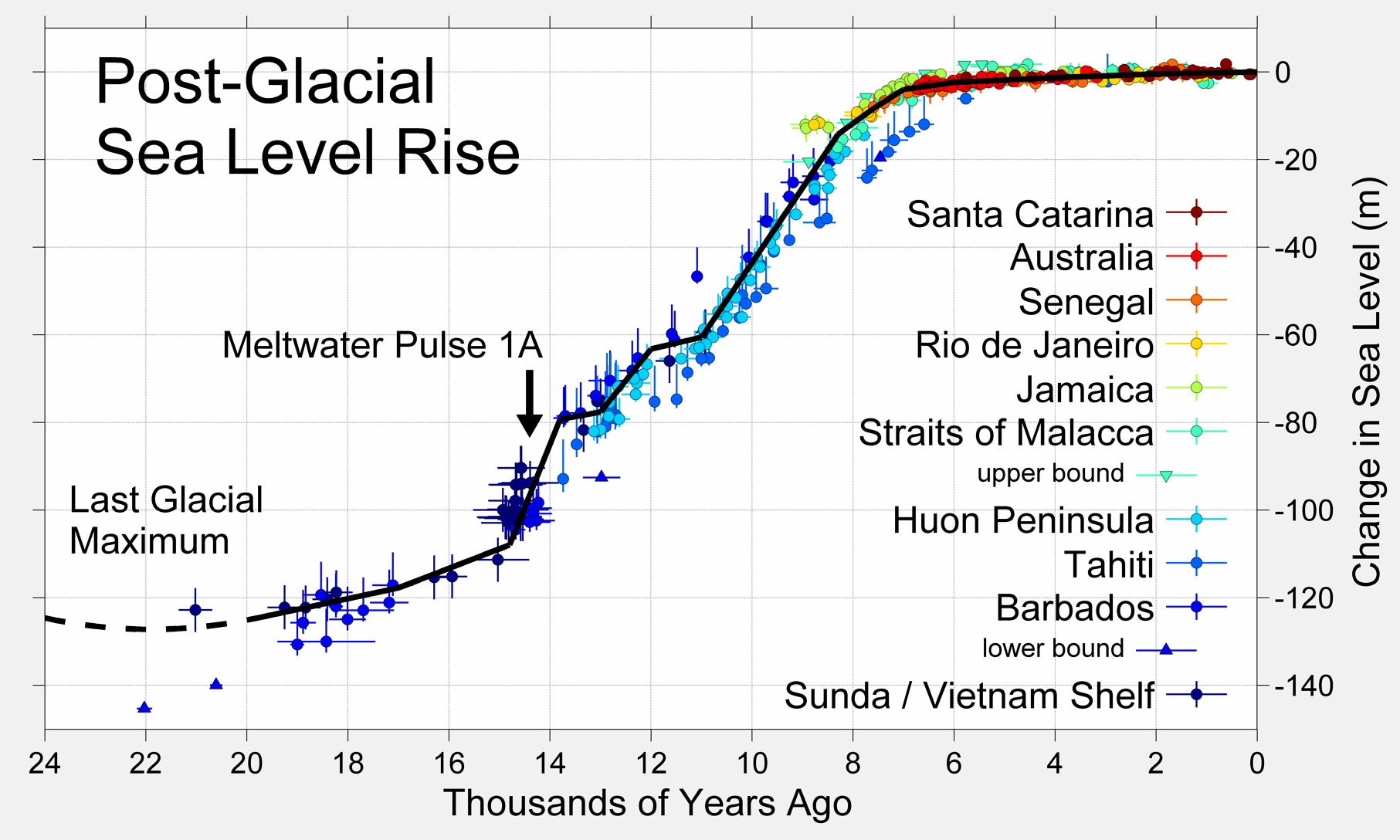
Two lost lands make that rise concrete. In Southeast Asia, an enormous habitable area the document names Sundaland once connected Indonesia, Malaysia, and the Philippines before the sea took it, roughly 14,000 to 6,000 BCE; its story is our Sundaland dossier. In the North Sea, a submerged landmass, commonly called Doggerland, once joined Britain to continental Europe and drowned roughly 8,000 to 6,000 BCE; the later catastrophes of that region have a file of their own in our Storegga Slide dossier. This document does not itself discuss the Storegga event, only the general drowning of the region, so treat the link as context, not as a claim the two are connected.
12Four Catastrophes Already On File
The most famous candidate for a specific flood behind the myths is the Black Sea Deluge Hypothesis, proposed by William Ryan and Walter Pitman in 1997 and 1998. On their account, the Mediterranean breached the Bosphorus around 5600 BCE with the force of 200 Niagara Falls, flooding roughly 73,000 square kilometers of previously dry land. This is a real, published hypothesis, still genuinely debated in mainstream geology rather than settled either way, and it carries its own full dossier already: our Megaflood Country file owns that geology and the whole Ryan and Pitman argument. Here it is one candidate event, cross-linked and not re-argued.
Two more dramatic hypotheses sit further out on the speculative edge, and the document labels them so explicitly. The Younger Dryas Impact Hypothesis proposes a comet strike roughly 10,800 to 12,900 BCE, tied to rapid cooling and later melt and flooding; it has its own full treatment in our Younger Dryas Impact dossier, and belongs there, not here. The Burckle Crater hypothesis proposes a comet impact in the Indian Ocean around 2807 BCE that would have thrown up mega-tsunamis. Both are unverified. Neither is ruled out, and neither is anywhere near demonstrated, and the document keeps both firmly in Tier 3 rather than letting the most cinematic option win by default.
13Five Ways To Read Five Hundred Floods
The document lays out five interpretive frameworks and, tellingly, endorses none of them. Cultural Diffusion says the story began in Mesopotamia, the oldest written, and spread by trade and migration, each culture adapting it to local geography. Independent Post-Glacial Memory says every coastal people lived through real post-glacial flooding and generated similar stories separately, with the Aboriginal Australian evidence needing no contact with the Near East at all. Specific Catastrophic Event says one dramatic occurrence, a comet, an eruption, a glacial dam failure, seeded a deluge many cultures remembered. Multiple Events Compressed says different floods at different times were later fused into a single 'great flood' per culture, which the chronological disagreements across traditions would fit. Theological and Moral Framework says the flood story answers a universal human need to explain catastrophe morally, with the righteous survivor teaching virtue. The document notes that the sheer number of traditions, the parallels among peoples it treats as having no contact, and the specificity of shared details are things science cannot simply explain away. That is a real observation. It is also not an argument for any one model, and the document is right to hold all five open rather than crown the most dramatic.
14The Case For Coincidence
The document also names the case against reading the pattern as shared memory, and it deserves equal air. First, selection bias: people arguing for global connections tend to emphasize the similarities and quietly skip the significant differences between traditions. Second, a methodological limit: without a systematic analysis of both similarities and differences, confirmed transmission routes, and proper chronological sequencing, cross-cultural parallels stay suggestive rather than probative. Third, cognitive universals: work in the cognitive science of religion suggests similar narrative shapes can arise independently from shared features of the human mind, no contact or memory required. Fourth, environmental determinism: river-valley civilizations are simply vulnerable to floods, so similar conditions can produce similar stories on their own. The document attaches no named scholar to most of these, and its own Research Gaps section adds three standing worries, dating uncertainties, disputed transmission routes, and the limits of the evidence base. These are legitimate critiques, not settled refutations. They are the reason the honest verdict below cannot simply declare a winner.
Fast Facts
- The title claim
- Over 500 flood traditions worldwide, the document's own figure, stated in its opening line with no citation attached to it anywhere
- Oldest written flood
- The Sumerian Eridu Genesis, hero Ziusudra, known from copies around 1600 BCE
- Strongest real match
- Yu the Great and a dated Yellow River dam-burst around 1920 BCE (Wu et al., Science, 2016)
- Oldest verifiable memory
- 21 Aboriginal Australian traditions of drowned coastlines matching sea-level rise 7,000 to 10,000 years ago (Nunn and Reid, 2015)
- The real geology
- Seas rose roughly 120 to 130 meters after the last Ice Age; Meltwater Pulse 1A added about 20 meters in about 500 years
- Landing sites clustered
- Ararat, Judi, and Nimush all fall within about 500 km of each other in modern Turkey, Iraq, and Kurdistan
- The open debate
- Diffusion, independent post-glacial memory, one catastrophe, many floods compressed, or a shared moral archetype: five models, none settled
- Ruled out
- A single flood covering the whole planet at once; it would need roughly 4.5 billion cubic kilometers of extra water with no known source or sink
What We Can Actually Stand Behind
The traditions are real, and three of the floods are more than stories. That Ziusudra, Atrahasis, Utnapishtim, Noah, Nuh, Manu, Deucalion, Nuwa, Yu, and the flood heroes of the Americas, the Pacific, Australia, and Africa exist and say what the document says they say is not in dispute. On top of that sit three pieces of genuinely hard evidence: the dated Yellow River dam-burst of around 1920 BCE, a real catastrophic flood; the Nunn and Reid study showing 21 Aboriginal coastline traditions that match the geological record of post-glacial sea-level rise; and the post-glacial rise itself, roughly 120 to 130 meters of it, established peer-reviewed geology. Oral memory can carry a real flood across thousands of years. Australia proves it.
Why the stories rhyme, and whether any single event lies behind any cluster of them, is unresolved. The five interpretive frameworks and the four skeptical counter-arguments both stand; the file deliberately does not pick a winner. The identification of Yu's flood with the 1920 BCE outburst is the study authors' own argument, strong but not proven. The roughly 500 km clustering of the three Near Eastern landing sites only suggests a common origin. And the number that names this file, over 500 traditions, is the document's own uncited hook, not an independently verified count, so it cannot be leaned on as evidence that one event lies behind them all.
The dramatic single-catastrophe hypotheses stay speculative, neither established nor ruled out. The Black Sea breach around 5600 BCE is a real, published, still-debated hypothesis; the Younger Dryas impact and the Burckle Crater impact the document itself flags as unverified. Each is a live possibility and none is demonstrated, and all three are carried here only as pointers to the dossiers that own them, not re-argued in this file.
There was no single global Flood covering the entire planet at once. The document states it flatly, and the physics backs it: there is no physical evidence for a simultaneous worldwide deluge, and one would require roughly 4.5 billion cubic kilometers of water beyond what the oceans now hold, with no known source it could have come from and no known sink it could have drained into. However many flood traditions there really are, they do not add up to proof of one planet-covering event. They are many communities remembering many real floods, local and regional and often ancient, each in its own drowned place.
So the flood myths cannot all be wrong, and they are not, but not in the way the title wants you to hope. A fish did not tow Manu to a mountain, and the seas did not close over every peak on earth. What did happen is smaller and stranger and better evidenced: the ice melted, the coastlines drowned, a dam burst on the Yellow River, and human beings remembered, in Australia demonstrably for ten thousand years, in Sumer in the oldest writing we have. The question that stays open is the one worth carrying out of the file. Of the hundreds of flood stories the world still tells, how many are the memory of a real drowned coast, how many are the same good story borrowed down a trade route, and how many are simply what the human mind does with a river that will not stay in its banks, and will we ever build the method that can tell the three apart?
Sources & further reading
Everything above is drawn from our research library on Theories of Anything, and every claim traces back to the files below. Open the full file to check the sourcing and go deeper.
Image credits
- The Deluge, John Martin (1834) digitized via the Google Art Project, via Wikimedia Commons. Public domain Source.
- Tablet XI, the Flood Tablet of the Epic of Gilgamesh, British Museum photograph by Osama Shukir Muhammed Amin FRCP(Glasg) via Wikimedia Commons. CC BY-SA 4.0 Source.
- Mount Ararat, Eastern Anatolia, Turkey photograph by W. Bulach via Wikimedia Commons. CC BY-SA 4.0 Source.
- Fuxi and Nuwa, Tang Dynasty hanging scroll anonymous Tang Dynasty artist, via Wikimedia Commons. Public domain Source.
- Portrait of Da Yu (Yu the Great) unknown Chinese artist, via Wikimedia Commons. Public domain Source.
- Matsya, the fish avatar of Vishnu unknown artist (pre-1931 devotional work), via Wikimedia Commons. Public domain Source.
- Deucalion and Pyrrha, engraving by Virgil Solis Virgil Solis (1514-1562), via Wikimedia Commons. Public domain Source.
- Australian Aboriginal rock painting of the Rainbow Serpent photograph by Mark O'Neil (Digitaltribes), via Wikimedia Commons. CC BY 2.5 / CC BY-SA 3.0 / GFDL Source.
- Post-glacial sea level rise chart Robert A. Rohde, Global Warming Art project, via Wikimedia Commons. CC BY-SA 3.0 / GFDL Source.
- Card crop of The Deluge, John Martin (1834) digitized via the Google Art Project, via Wikimedia Commons. Public domain Source.


