The Serpent-God Pattern Across 13 Civilizations
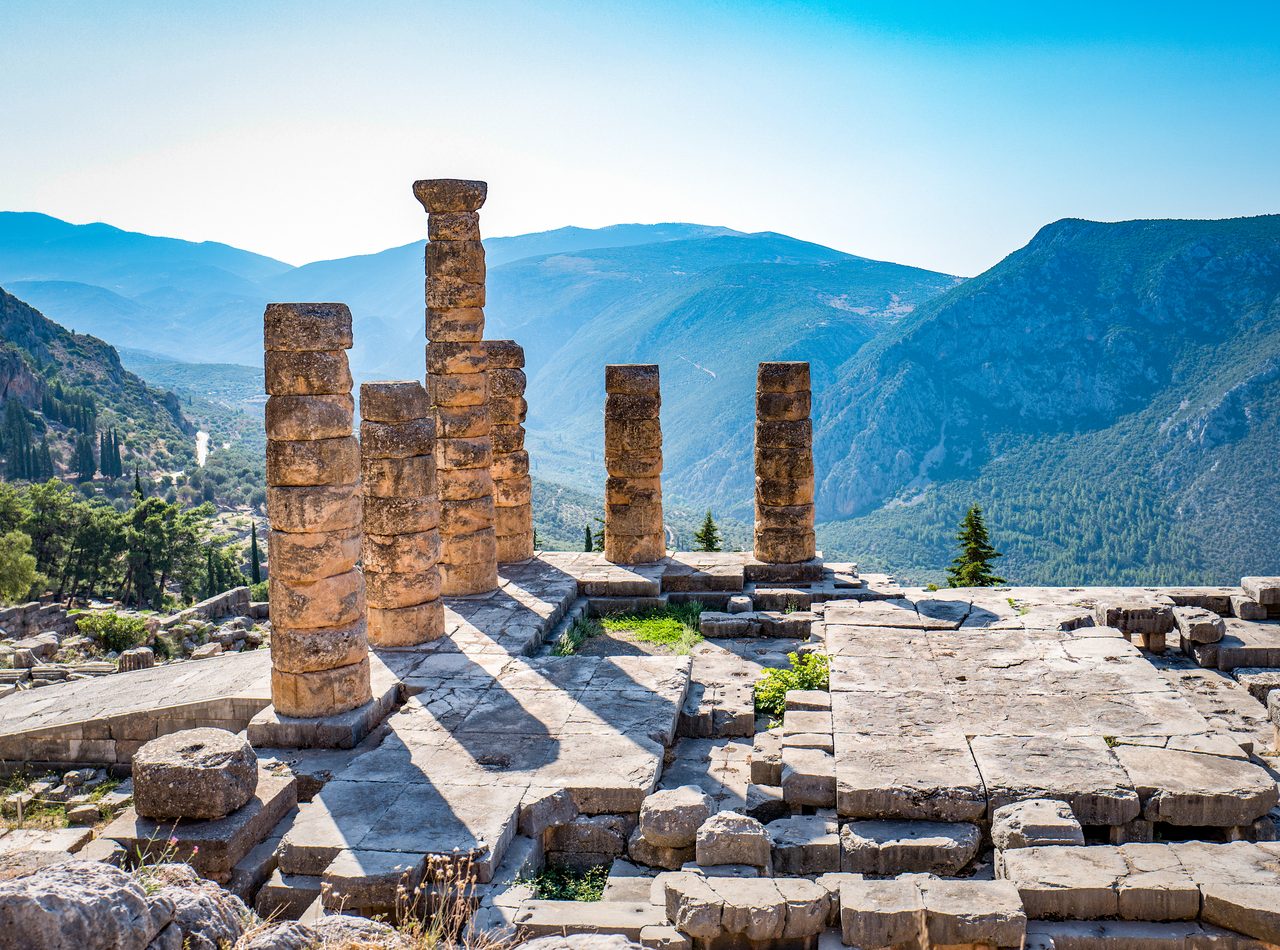
Sumer counted a serpent lord among its creator and wisdom-giver gods. China's emperors claimed dragon descent. Mesoamerica's feathered serpent taught the calendar and morality, India's serpent kings kept wisdom beneath the earth, and the oldest stories of Aboriginal Australia say a serpent shaped the land itself. Our research file surveys thirteen major civilizations and finds the same figure waiting at the beginning of nearly every one: a serpent or dragon being tied to creation, water, knowledge, or the founding of civilization. The version of this finding that gets shared online says the pattern is unanimous. It is not, and the file's own counter-arguments section is the first to say so: Apophis, Typhon, Jormungandr, Cipactli, and Leviathan were enemies in their oldest texts, and several other traditions are genuinely double-edged. This is the dossier on the corrected pattern, the one that actually survives scrutiny: a strong majority of positive origins, a documented run of later demonizations by named councils and institutions, the honest counter that positive serpent symbolism never actually died, and the best scholarly explanation on the table, myths inherited along real migration routes out of deep prehistory. One question survives every correction: why the serpent, and why everywhere?
Start with the count, because the count is real. Our research file lays out a thirteen-row table, one row per major civilization, from Sumer to Aboriginal Australia, and in row after row the same character appears at the foundation of the story: a serpent or dragon being tied to creation, water, wisdom, or the arts of civilization. Then the file does something rare. Having stated its own headline in absolute terms, it turns around in its own counter-arguments section and takes the absolute apart, naming the serpent monsters that were enemies from the very first text. This article is built on the corrected version, because the corrected version is the one that holds, and it is still one of the strangest maps in comparative mythology.
01The Pattern, Corrected
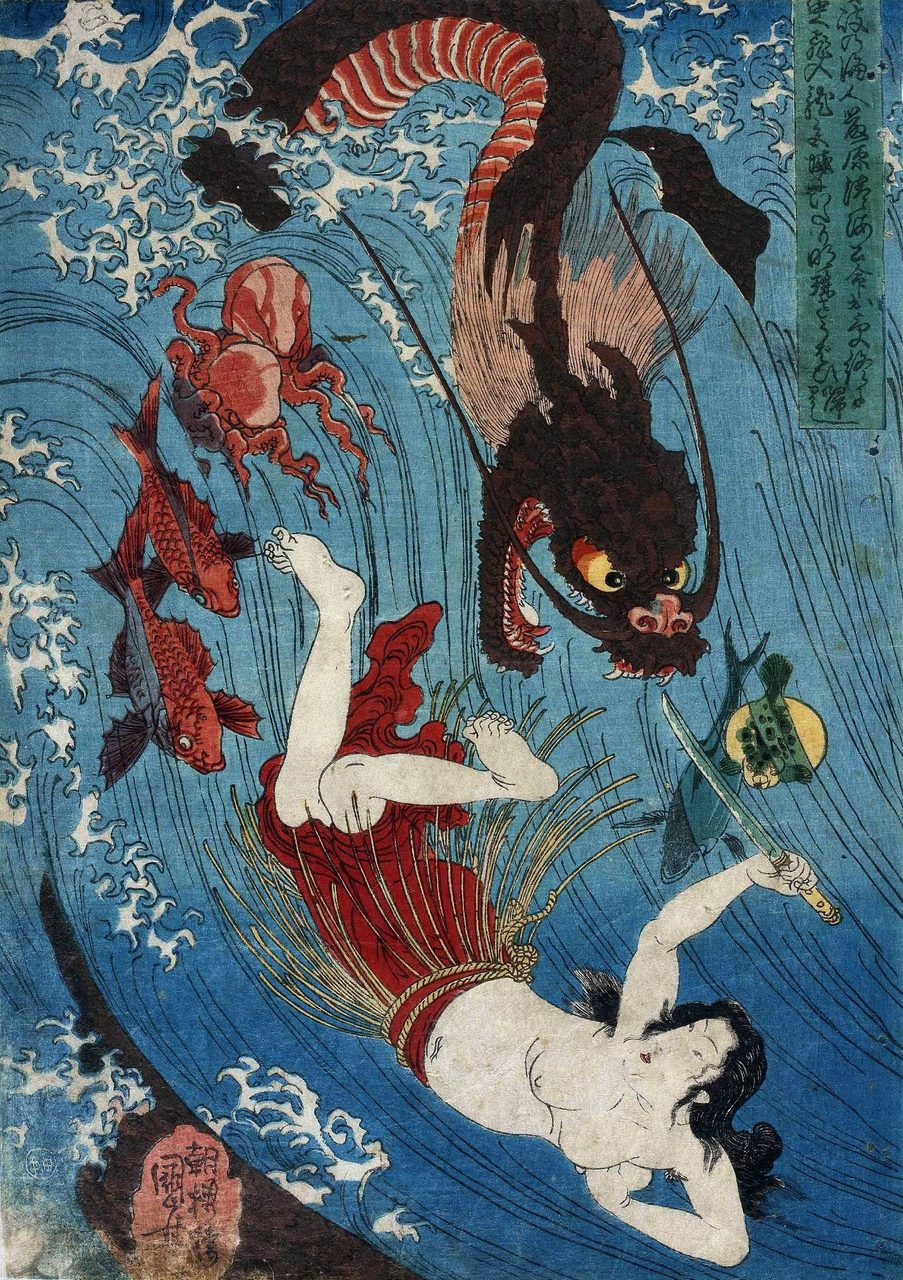
First, what genuinely leans positive in its earliest attested layer, straight from the file's own comparative table. Sumer: Enki, Ningishzida, and the mushussu, creator and wisdom-giver figures, a serpent lord whose own remarkable file is told in full in our Ningishzida dossier. China: the Dragon Kings and the long, tied to emperors, rain, and creation, unpacked in Dragon Typology. Japan: Ryujin, the Dragon King who rules ocean and weather. Mesoamerica: Quetzalcoatl and Kukulkan, the feathered serpent as civilization-bringer and teacher, each with its own dossier in Quetzalcoatl and Kukulkan. The Celtic world: the Tuatha De Danann as hidden people and wisdom keepers. And Native North America: Uktena, Kolowisi, and the Horned Serpent as water guardians and wisdom figures, traditions that are still alive and are treated here accordingly.
Now read the same table's fine print, because the file's own rows carry nuance its headline prose does not. Greek serpent beings, Python, Cecrops, Typhon, are labeled mixed. Norse serpent beings, Jormungandr and Nidhoggr, are labeled complex. Egypt is labeled positive with an explicit exception written into the table itself, Apophis as chaos, and Egypt's serpent pantheon gets its own full treatment in Wadjet, the Cobra Goddess. African serpent traditions are labeled positive 'until modern reinterpretation.' And the Hebrew tradition, the Nachash and the Seraphim, is labeled positive but explicitly 'later demonized.' The nuance was in the document all along. The headline just did not read its own table.
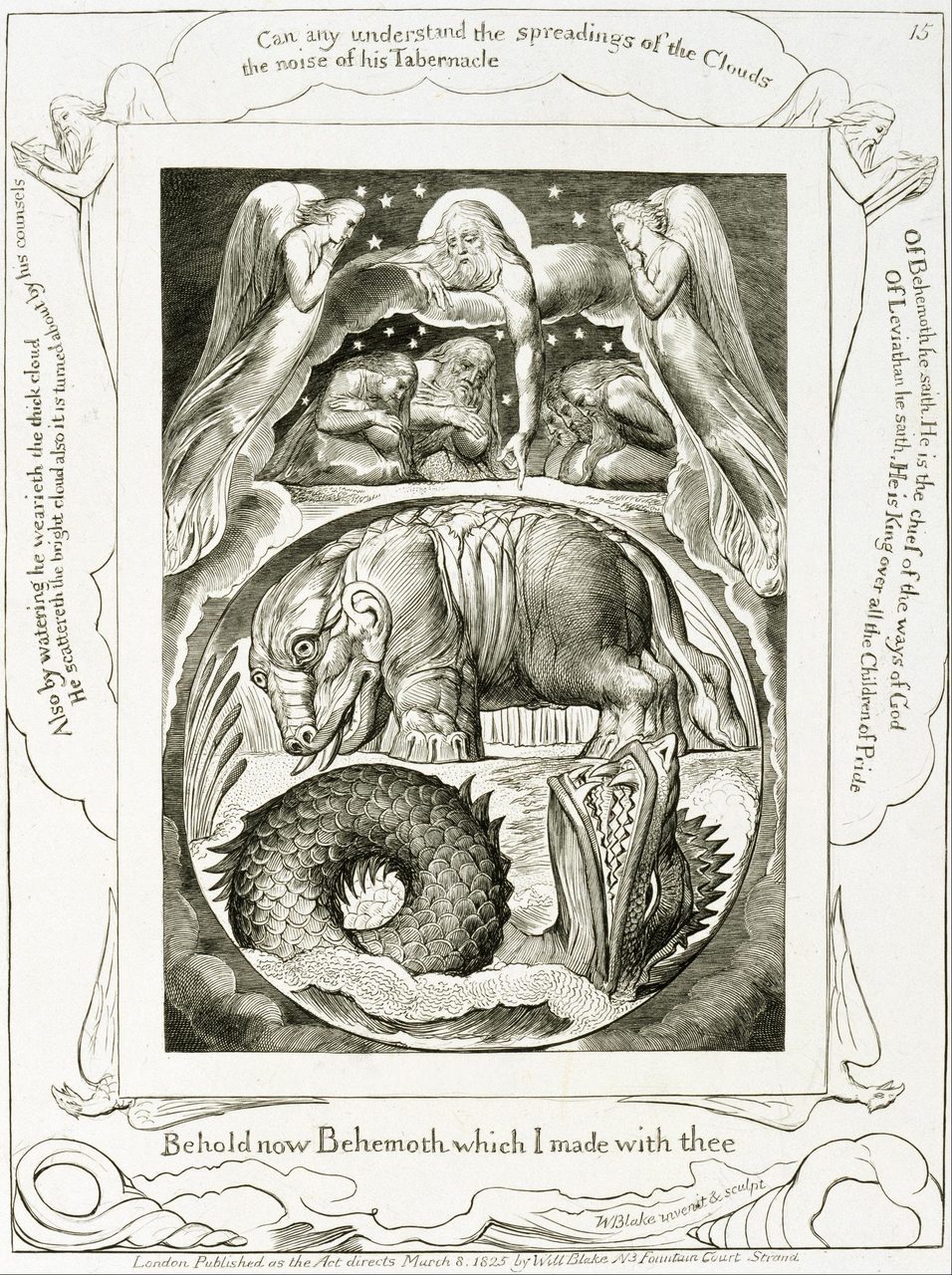
Then the file's counter-arguments section names the figures that break the absolute outright, negative in their original primary source texts, not demonized later by anyone. Egyptian Apophis, the nightly enemy of Ra in the Amduat. Greek Typhon, the primordial chaos monster of Hesiod's Theogony. Norse Jormungandr, the world-ending threat of the Prose Edda. Aztec Cipactli, the primordial monster killed to create the world in the Historia de los Mexicanos por sus Pinturas. And the biblical Leviathan of Job 41 and Psalm 74:14. Five traditions, five hostile serpents, five sources you can pull off a shelf. Any honest version of this pattern has to start by admitting them.
And between the friends and the enemies sits a middle the pattern-sellers flatten at their peril. The Nagas of Hindu tradition are wisdom-keepers and dangerous at once: Takshaka kills King Parikshit in the Mahabharata, the same serpent kings whose underground realm we map in Naga Kings. The Australian Rainbow Serpent, central to living Aboriginal traditions, creates and destroys. Ambivalence is not a rounding error here. It is one of the pattern's genuine features.
| Tradition | Serpent Figures Named | Original Attitude |
|---|---|---|
| Sumerian | Enki, Ningishzida, Mushussu | Positive |
| Chinese | Dragon Kings, Long | Positive |
| Japanese | Ryujin, the Dragon King | Positive |
| Mesoamerican | Quetzalcoatl, Kukulkan; Cipactli the exception | Positive, with a primordial monster in the creation text |
| Celtic | Tuatha De Danann | Positive |
| Native American | Uktena, Kolowisi, Horned Serpent | Positive |
| Egyptian | Surveyed collectively; Apophis the exception | Positive, except Apophis as chaos |
| Hebrew | Nachash, Seraphim; Leviathan the exception | Positive, later demonized |
| African | Serpent traditions surveyed collectively | Positive, until modern reinterpretation |
| Greek | Python, Cecrops, Typhon | Mixed |
| Norse | Jormungandr, Nidhoggr | Complex |
| Hindu | Nagas, Takshaka | Ambivalent, wisdom-keepers and dangerous |
| Aboriginal Australian | Rainbow Serpent | Ambivalent, creates and destroys |
So the corrected score, and the only one this article will defend: most, not all. A strong majority of the thirteen surveyed traditions lean positive in their earliest attested layer. Several are genuinely mixed or double-edged. And at least five carry a hostile serpent in the original text itself. That is the pattern that survives scrutiny, and it is still remarkable, because a strong positive majority is exactly what you would not expect from a species that is supposed to be hardwired to fear snakes. Hold that thought. It comes back.
02The Teachers
The second layer of the pattern is a job description. Across the traditions surveyed, a non-human being hands humanity its foundational knowledge: the Serpent of Eden and the knowledge of good and evil, the Watchers of the Book of Enoch teaching metalworking, astrology, herbalism, and writing, Enki giving Sumer civilization, agriculture, law, and writing, Oannes and Adapa bringing the arts and sciences to Babylon, Prometheus with fire, Quetzalcoatl with the calendar and morality, the Nagas with medicine, yoga, and alchemy, Thoth and Hermes with writing and mathematics, the Nommo of the Dogon with astronomy, the Rainbow Serpent with the shaped land and its water, Coyote and Raven with fire and food, and the Dragon Kings with rain and the arts. We keep this roster deliberately brief, because its deepest entries already have their own dossiers: the full Sumerian civilization-skills catalog lives in The ME, the Dogon material, a living tradition that deserves careful handling, in Dogon, Nommo and Sirius, and the Coyote and Raven fire-bringers in The Trickster.
What did they teach? The file sorts the whole curriculum into seven recurring categories: agriculture, writing and language, astronomy and the calendar, medicine and healing, mathematics, metallurgy and technology, and law and morality. The categorization is a fair reading of the source table. The file then adds its own gloss, that these are exactly the skills required to move from nomadic hunter-gatherer life to settled civilization, and we flag that step for what it is: the document's own interpretive framing, not a separately sourced finding. The list is solid. The 'exactly' is the file talking.
And wherever the teacher appears, the pattern gives him an adversary: a second force, typically wearing sky, thunder, and authority, who opposes the gift and punishes the giver. Enki against Enlil, with the Flood as consequence. Prometheus against Zeus, with eternal torture. The Serpent against Yahweh in the Hebrew telling, with expulsion from Eden. The Watchers against God and the archangels, with imprisonment and the Flood. Sophia and the serpent against Yaldabaoth in Gnostic cosmology. The file's broader suggestion that this dialectic records a real event is speculation and is tiered as such further down. The textual pattern itself is real, and we have already shipped its full table once: the deep version lives in Enki vs. Enlil, and we are not re-deriving it here.
03The Same Furniture in Every House
Around the serpent, the file finds the same supporting cast recurring. Flood narratives appear across hundreds of world traditions, and in most of those surveyed the figure who warns or protects is serpent-associated and water-associated, Enki again, while the figure who orders the flood wears the sky and the thunder. That is the whole mention this article needs, because the flood has its own dossiers: the global pattern in Flood Myths and the man who rode it out in Utnapishtim and the Ark.
The serpent's address repeats too. Across many of the traditions surveyed, serpent beings live underground or underwater: Patala and Nagaloka in Hindu cosmology, Enki's freshwater abyss the Abzu, Norse Svartalfaheimr and Niflheim, Xibalba in Mesoamerica, the Celtic Sidhe fairy mounds, Ryugu-jo under the Japanese sea. The mythological table is credible on its own terms. The file goes further and points at real excavated underground complexes as a non-coincidental parallel, and there we hold the line: the physical-evidence claims are contested, they belong to their own investigation, and we state none of them as settled here. The serpent realms are mapped in Naga Kings, and the real tunnels and cities, with their evidence weighed on its own terms, in Underground Cities and Myths.
Two more props recur beside the serpent, forming what the file reads as a loose triad. The World Tree: Yggdrasil, the Huluppu Tree of Sumer, the Trees of Life and Knowledge, Kalpavriksha, the Maya Ceiba, typically drawn with a serpent at the base or coiled around the trunk. And the Cosmic Mountain: Meru, Olympus, Sinai, Tepeyac, the meeting place of heaven and earth, often with serpent guardians. The individual tree and mountain traditions are each well attested. The claim that they form one consistent triad is the file's own interpretive pattern-making, and it wears that label here.
Then there is the bloodline claim, and it matters to state it precisely, as a claim about what ancient traditions themselves assert. Numerous ruling dynasties and priestly lineages claimed descent from non-human or serpent beings: Genesis 6's Nephilim from the Sons of God and the daughters of men, Sumerian Adapa, the Greek demigods Heracles and Perseus, Naga-descended dynasties in India, the pharaohs' claimed divine birth, Mesoamerican royal lines tied to the Feathered Serpent, Chinese emperors' dragon lineage, and the Japanese imperial line's ties to Ryujin and the kami. That the claims were made, carved, and inscribed is well documented across multiple cultures.
The file's next step is a different animal entirely: the suggestion that the divine right of kings may be a distant echo of actual hybrid bloodlines. That moves from 'the traditions assert descent' to 'the descent was biologically real,' and no evidence in the file carries that weight. Speculative synthesis, labeled as such, load-bearing for nothing in this article.
Finally, the linguistic exhibit, which never travels without its counter in this article. The file notes a striking-sounding resemblance: Anu, the Sumerian sky god; the Anu Sinom, the Ant People of Hopi tradition who are said to have sheltered humanity underground; and a primordial being called Anu in Polynesian tradition, three cultures with no known contact. Here is why the resemblance does not carry: Sumerian is a language isolate, Hopi is Uto-Aztecan, Polynesian is Austronesian, three unrelated families with no demonstrated genetic relationship. Ringe (1992) showed that chance phonetic matches in short words of one to three syllables are statistically expected and prove nothing by themselves, and Lyle Campbell (1998), in Historical Linguistics, establishes that sound correspondences must be systematic, not isolated, to demonstrate relatedness. One shared syllable is noise. The file's own counter-arguments section says so, and so do we.
04The Demonization Record
Now the part of the file that made this article's reputation before it was written: the claim that the serpent's fall from grace was not original but built, layer by layer, across roughly two and a half millennia. Read this section exactly as we present it: a set of historical claims about specific texts, councils, and institutions, each independently dated and documented. It is not a ranking of faiths, and it is not a conspiracy story about any living religion. The dated events are one thing. The throughline connecting them is another, and the two wear different tiers.
| Period | What Is Documented |
|---|---|
| Roughly 1500 to 600 BCE | Zoroastrianism emerges, introducing the first widely noted good-versus-evil dualism later applied to serpent symbolism |
| Second Temple period | The Genesis serpent is progressively reinterpreted in the Hebrew textual tradition as the Satan concept develops |
| 180 CE | Irenaeus writes Against Heresies, a named theological work campaigning specifically against Gnostic serpent-positive traditions |
| 325 and 367 CE | The Council of Nicaea and Athanasius's Easter Letter, dated canon-formation events that excluded serpent-positive and other 'heretical' texts |
| 400 to 600 CE | European Christianization proceeds as a documented process of religious replacement |
| From 1184 CE | The Inquisition, an institutional apparatus of religious suppression |
| 1500s CE | The Spanish Conquest destroys Mesoamerican serpent traditions, a separately documented cultural suppression |
Every anchor point in that table is real history: real texts you can read, real councils that convened on real dates, real institutions with real records. Irenaeus's Against Heresies exists and campaigns against what it campaigns against. Nicaea and the Easter Letter of Athanasius are dated canon-formation events. The Inquisition and the Spanish Conquest are documented processes of suppression and replacement. On the individual events, the file stands on bedrock.
The file's stronger claim, that these events form one deliberate, coordinated campaign against serpent symbolism sustained for roughly 2,500 years, is a different kind of statement. Connecting independently documented events into a single intentional program is interpretive synthesis, credible at best, not independently established. Real reinterpretation and real suppression happened, tradition by tradition, and the Hebrew case is written into the file's own table as 'positive, later demonized.' A unified campaign with a single aim is the part the evidence does not hand over.
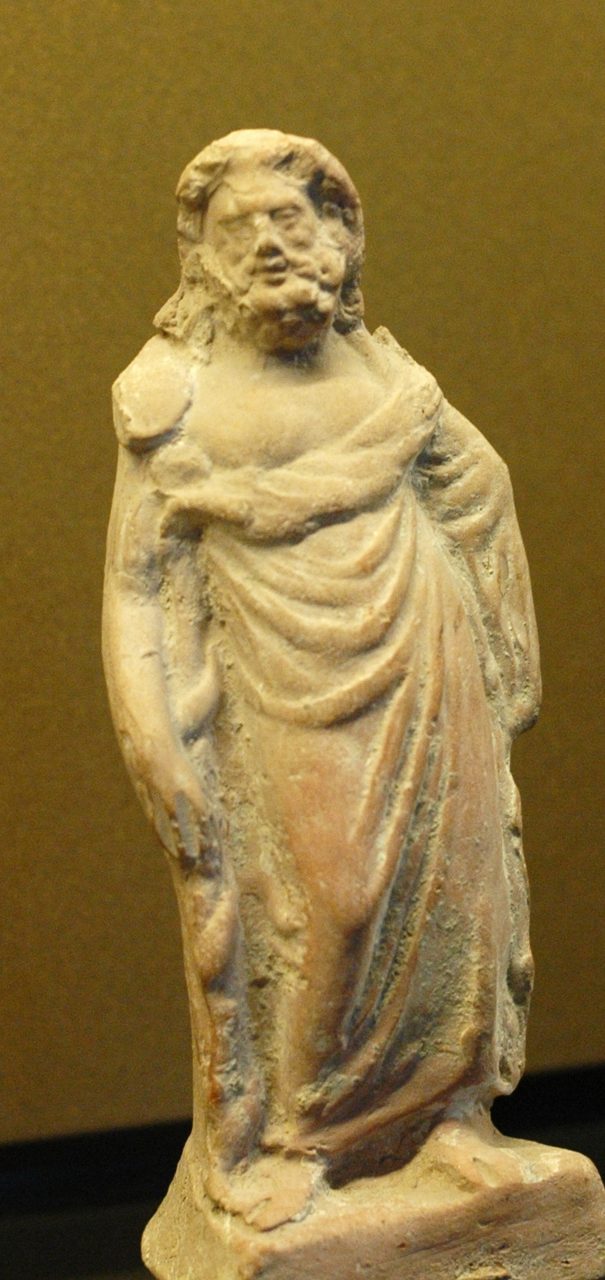
And here is the counter the file itself supplies, which travels with the timeline everywhere it goes in this article. Positive serpent symbolism never actually stopped. Through the very centuries the timeline paints as systematic suppression, the Rod of Asclepius stayed on the healer's staff and persists in modern medical iconography, the caduceus kept its twin serpents, the alchemical Ouroboros kept circling, Hermetic traditions kept their kundalini imagery, and folk medicine kept its serpent symbolism, in professional, esoteric, and folk contexts across the same cultures and the same periods. The file's own conclusion: a narrative of total suppression is contradicted by this continuous positive symbolism. Something was suppressed. Everything was not.
The file's chronology runs all the way to the present, and its final rows are instructive for what they are not. David Icke's 1990s reptilian-conspiracy framework and the 2000s pop-culture 'evil reptilian alien' trope sit at the end of the timeline, treated as the modern endpoint of a long cultural process, not as its origin and not as evidence for anything ancient. That placement is a defensible piece of historical framing, and it is the only use this article has for the modern conspiracy literature.
Because on the literal version, the corpus's own capstone reliability assessment, H_2_01, is blunt, and we adopt its verdict without softening: literal reptilian aliens and shapeshifting world leaders are Tier 4, rejected claims. Nothing in thirteen civilizations of serpent mythology is evidence for them, and this dossier does not leave that door ajar.
05Coincidence, Counted Honestly
The file's own favorite argument is cumulative. It is not just that serpents appear everywhere, it is that the same cluster keeps arriving together: a positive founding serpent, a knowledge-giver role, the same taught subjects, an opposing sky faction, bloodline claims, underground realms, flood narratives, even similar-sounding names. Each tradition, the file argues, keeps drawing the same hand of cards, and it concludes the convergence 'cannot be coincidence.' As a statement of cumulative weight, of why this pattern deserves a dossier at all, the argument has force.
As statistics, it is nothing of the kind, and the file's own counter-arguments section says so in terms we quote gladly. Without a null hypothesis, base rates for mythological motifs, and independence assumptions, 'cannot be coincidence' is rhetoric, not probability analysis. Apophenia, the perception of meaningful connections in random data, is a well-documented cognitive bias (Brugger, 2001). And Thompson's Motif-Index of Folk-Literature (1955) catalogs over 46,000 motifs across world traditions: pick roughly seven that match across thirteen cultures while ignoring the thousands that do not, and you have manufactured the appearance of pattern from an ocean of noise. The convergence argument never appears in this article without this paragraph attached.
06The Explanation That Wins
So what does explain the pattern? The file's own best-supported answer, the one it marks Tier 1 itself, is also the least exotic and the most humbling: inheritance. Witzel (2012), in The Origins of the World's Mythologies, traces shared myths, the flood, the tree, the serpent, the sky-father, to demonstrable migration routes of Laurasian populations roughly 40,000 or more years ago. On this account, the parallels this file documents are consistent with deep-ancestry narrative carried along real human migration routes out of prehistory, not with independent encounters with the same non-human beings or alien teachers.
And the inheritance account has been tested with tools borrowed from evolutionary biology. d'Huy (2016), in 'The Evolution of Myths' in Scientific American, applied phylogenetic methods to myth evolution and showed that serpent and dragon myths cluster by known population splits rather than by geography. Stories, like genes, carry the shape of their descent. That is precisely what inherited transmission predicts, and it stands with Witzel as the strongest scholarly explanation named anywhere in the file.
The other explanation the file itself labels Tier 1 is Jung's. On the collective-unconscious account, all human minds share deep symbolic archetypes, the serpent among the deepest: chaos, the primal unknown, the dangerous other. Similar brains processing similar stimuli, snakes, storms, darkness, can produce similar symbols in cultures that never met. No shared event required, no contact required. The deeper cognitive-science version of this argument has its own treatment in The World Serpent.
But the file pushes back on its own skeptics with a point that deserves to be felt at full strength, because it is the best card the pattern side holds. Archetypes should produce similar themes, not near-identical plot structures with matching specifics. The recurring serpent is not just 'a serpent': it lives underground in a multi-level realm, teaches specific enumerated technologies, interbreeds with humans, and is opposed by a sky and thunder deity, again and again. And if snake-fear is hardwired into us, serpent myths should skew negative from the start, which, on the corrected reading this article runs on, they do not: the earliest layers lean positive far more often than not. The file presents this as a genuine open tension, not a settled rebuttal, and so do we.
The file also warns against its own method. Similarity does not imply contact or identical meaning: a Chinese dragon and a Mesoamerican feathered serpent serve very different cultural functions despite the surface resemblance, and the Genesis serpent works differently than the Hindu Naga even though both involve serpents and knowledge. Cherry-picking the friendly examples while ignoring the genuinely evil ones, the file names Apophis, Azi Dahaka, Typhon, and Jormungandr, weakens the 'universally positive' argument. Read that again: the document pre-refutes its own headline inside its own body. That is exactly why this article never used the headline.
The pattern-hunting method itself has a scholarly rap sheet, and the file cites it. Segal (1999), in Theorizing About Myth, argues that Campbell's monomyth selectively extracts motifs from cultural context to build artificial universals, routinely ignoring counter-examples. Lincoln (1999), in Theorizing Myth, argues that comparative mythology often reveals more about the comparer's assumptions than about the myths, and that a 'universal pattern' can be an artifact of which traditions get selected and which features get highlighted. Doniger (1998), in The Implied Spider, calls for a comparative method that weighs structural differences alongside similarities, rather than the pattern-maximizing approach this very document uses. Three named critiques, aimed squarely at the file's own genre.
Underneath it all sits a genuinely unresolved scholarly debate: diffusion from a shared source versus independent invention under similar conditions. The file adds a caution that belongs in every article like this one: diffusionist theories have historically been used to deny agency to non-European peoples, the 'they could not have invented this themselves, so aliens or Atlanteans must have taught them' move. That reasoning has a long record of erasing real achievements, and this dossier wants no part of it. The traditions surveyed here built their own civilizations. The question is only where their oldest stories came from.
07The Speculative Shelf
The file closes with a grand synthesis, and it needs the clearest label in this article. Its final section asserts that non-human, often serpent-like beings interacted with early civilizations as teachers and protectors, provided humanity's foundational knowledge, were systematically demonized over roughly 2,500 years by a political and religious campaign, and that the modern 'evil reptilian' image is that campaign's end product, with the fear serving institutional power, each point tagged 'supported by the evidence' in the file's own framing. That framing is the overreach. The synthesis outruns what the file's own sections and its own counter-arguments actually establish, and it stands here as clearly labeled speculation, never as the document's verified conclusion.
One smaller observation sits on the same shelf, informally sourced within the file itself: serpent and dragon figures often guard knowledge or thresholds, a function distinct from teaching, and underworld journeys recur across myth systems as the necessary passage to obtain knowledge. Suggestive, worth keeping, and load-bearing for nothing.
Fast Facts
- The Survey
- Thirteen major civilizations, one recurring figure: a serpent or dragon being tied to creation, water, wisdom, or the founding of civilization, mapped in a single comparative table in the research file.
- The Corrected Score
- Most, not all. A strong majority lean positive in their earliest attested layer, several are genuinely mixed or double-edged, and five hostile serpents appear in original primary texts: Apophis, Typhon, Jormungandr, Cipactli, Leviathan.
- The Teachers
- The knowledge-giver pattern hands humanity seven recurring subjects: agriculture, writing, astronomy, medicine, mathematics, metallurgy, and law, with a sky-and-thunder blocker opposing the gift in tradition after tradition.
- The Demonization Record
- Dated, documented anchor points from Zoroastrian dualism through Irenaeus (180 CE), Nicaea (325 CE), Athanasius (367 CE), the Inquisition, and the Spanish Conquest. The 'one deliberate campaign' throughline connecting them is interpretation, not record.
- The Counter
- Positive serpent symbolism never died: the Rod of Asclepius, the caduceus, the Ouroboros, and folk serpent symbolism persisted straight through the centuries the timeline paints as suppression. The file admits this itself.
- The Best Explanation
- Witzel (2012) and d'Huy (2016): myths inherited along real migration routes roughly 40,000 or more years deep, with serpent myths clustering by known population splits. The file's own Tier 1.
- Ruled Out
- Literal reptilian aliens and shapeshifting leaders: Tier 4, rejected by the corpus's own capstone assessment. The unanimous-positivity headline also fails, refuted by the file's own counter-arguments.
- The Open Question
- If the serpent stories are inherited from deep prehistory, what did the first storytellers mean by them, and why did nearly every branch of the family keep the serpent at the beginning?
What the Evidence Actually Holds
Three things stand on bedrock. The individual demonization anchor points are real, dated history: Irenaeus's Against Heresies in 180 CE, the Council of Nicaea in 325 CE, Athanasius's Easter Letter in 367 CE, the Inquisition from 1184 CE, and the Spanish Conquest's destruction of Mesoamerican serpent traditions. The Jungian archetype account, similar brains producing similar symbols without contact, carries the file's own Tier 1 label. And the strongest explanation in the entire document is Witzel (2012) and d'Huy (2016): shared myths traced to demonstrable migration routes roughly 40,000 or more years deep, with serpent and dragon myths clustering by known population splits rather than geography. Inheritance, not visitation.
The pattern itself holds at Tier 2 in its corrected form only: most, not all, of the thirteen surveyed traditions depict serpent beings positively in their earliest attested layer, with genuine ambivalence in several and five originally hostile figures in primary texts. The knowledge-giver pattern and its sky-authority blocker are real textual patterns. The underground realms, the flood roles across hundreds of traditions, and the tree-and-mountain recurrences are credible comparative observations. The demonization-as-later-overlay reading is well documented tradition by tradition, and it permanently carries its own counter: positive serpent symbolism, from Asclepius's rod to the Ouroboros, persisted continuously through the same centuries, so total suppression never happened. The convergence argument earns Tier 2 only as rhetoric about cumulative weight, never as statistics. And the Anu name-match dissolves under its mandatory linguistic counter.
The contact readings live here and only here: that the pattern records real encounters with non-human teachers, that dynastic serpent-descent claims echo actual hybrid bloodlines, that the file's closing counter-narrative synthesis is 'supported by the evidence' as it claims. Each outruns what the sections beneath it establish. Discussable, open, and load-bearing for nothing above this line.
Ruled out, explicitly. Literal reptilian aliens and shapeshifting world leaders are Tier 4, rejected claims per the corpus's own capstone reliability assessment, and thirteen civilizations of serpent mythology are not evidence for them. And the famous unanimous version of this article's own headline, the claim of exceptionless original positivity across the survey, fails as stated: the research file's own table and its own counter-arguments refute it with named monsters and named primary texts. The honest pattern is a strong majority. The absolute is a slogan, and we decline to print it as fact.
Here is what remains when the corrections are all made, and it is not nothing. A strong majority of the world's oldest traditions open with a serpent who helps: who shapes the land, brings the rain, teaches the alphabet, guards the water. A minority open with a serpent who devours, and some hold both truths in one coiled body, creator and destroyer at once. Later, in one branch of the family, named councils and named institutions rewrote the friendly serpent into an enemy, while the healer's staff quietly kept its snake the whole time. And the best explanation anyone has put on the table says these stories are heirlooms, carried out of a common deep past along the actual footpaths of human migration, forty thousand years and more. If that is true, then somewhere behind every dragon king and every garden serpent stands the same unimaginably old campfire. So the question this file leaves coiled at the root of the tree: when the first storytellers put a serpent at the beginning of the world, what were they trying to make sure we would never forget?
Sources & further reading
Everything above is drawn from our research library on Theories of Anything, which is where we worked from. The papers, reports and primary records listed beneath them are where you can check us independently.
Image credits
- Ruins of the Temple of Apollo, Delphi, Greece photograph by Skyring, via Wikimedia Commons. CC BY-SA 4.0 Source.
- Princess Tamatori fleeing the palace of Ryujin the Dragon King, woodblock print by Utagawa Kuniyoshi, circa 1844, National Museum in Warsaw via Wikimedia Commons. Public domain Source.
- Behemoth and Leviathan, engraving by William Blake, 1826, Museum of Fine Arts, Houston via Wikimedia Commons. Public domain Source.
- Terracotta figurine of Asclepius with his serpent-entwined rod, Myrina, 1st century BCE, Louvre via Wikimedia Commons. Public domain Source.
- Card crop of Ruins of the Temple of Apollo, Delphi, Greece photograph by Skyring, via Wikimedia Commons. CC BY-SA 4.0 Source.


